The European Centre for Strategic Studies and Policy (ECSAP)
For more than seven decades, European security has rested on a fundamental assumption: that the United States would remain the ultimate guarantor of stability on the continent. Since the creation of NATO in 1949, American military power has served as the backbone of European defence, deterring adversaries, reassuring allies, and providing the strategic umbrella under which Europe rebuilt itself after the devastation of the Second World War.
Today, that assumption is increasingly being questioned.
The debate is no longer confined to academic circles or defence think tanks. Across European capitals, policymakers are openly discussing a scenario that would have seemed unthinkable only a decade ago: a future in which the United States gradually reduces its security commitments to Europe and shifts its strategic focus elsewhere.
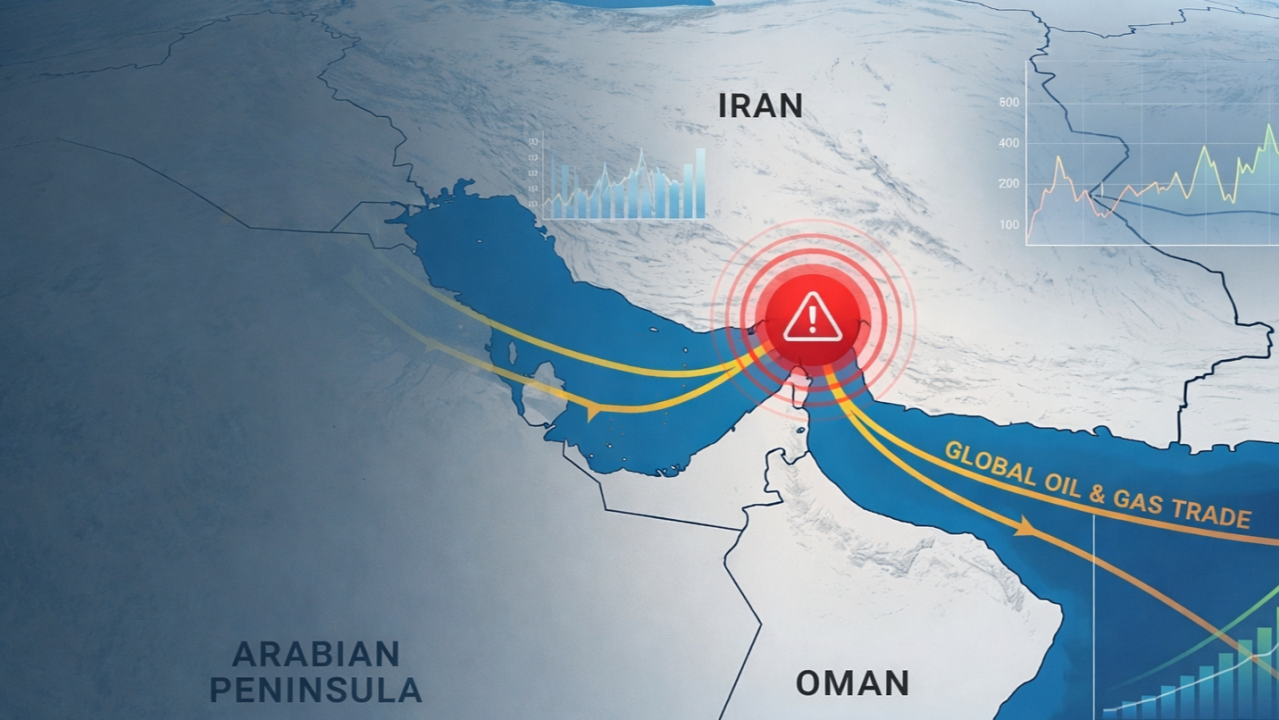
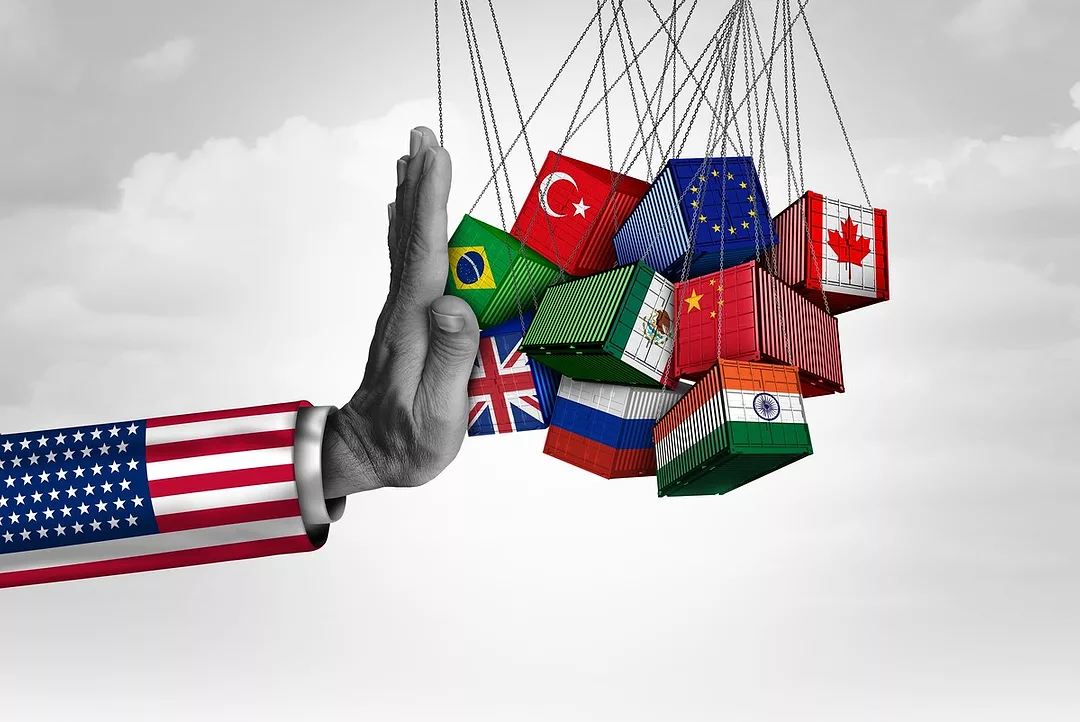
This concern has intensified as Washington faces growing geopolitical pressures in multiple regions simultaneously. Strategic competition with China, instability in the Middle East, domestic political divisions, and mounting fiscal pressures have all contributed to a broader debate within the United States regarding the costs and benefits of maintaining its global security commitments.
For Europe, the implications are profound.
The continent is confronting the most dangerous security environment since the end of the Cold War. Russia’s war against Ukraine has fundamentally altered European threat perceptions. Military spending is increasing across NATO. European governments are investing in rearmament programs not seen in generations. Yet many of these efforts remain dependent on American military capabilities, intelligence assets, logistics networks, and nuclear deterrence.
The challenge facing Europe is therefore not merely how to strengthen defence capabilities. It is how to prepare for strategic uncertainty.
The question is not whether the United States will suddenly abandon Europe. There is little evidence that such a dramatic rupture is imminent. Rather, the concern is that American priorities may gradually shift toward the Indo-Pacific region, where Washington increasingly views China as its principal strategic competitor.
The war in Ukraine has highlighted both the strengths and weaknesses of Europe’s current security architecture. While European governments have provided substantial support to Kyiv, much of the most critical military assistance has come from the United States. American intelligence, advanced weapons systems, logistical support, and financial resources have played a decisive role in sustaining Ukraine’s defence.
This dependence has prompted uncomfortable questions.
Could Europe maintain similar levels of support independently? Could NATO effectively deter aggression without extensive American involvement? Would European defence industries be capable of sustaining prolonged military production during a major crisis?
The answers remain uncertain.
Europe’s defence spending has increased dramatically since 2022. Germany’s historic Zeitenwende initiative marked a significant departure from decades of military restraint. Poland has emerged as one of NATO’s fastest-growing military powers. Nordic countries have expanded defence budgets, while France continues to advocate for greater European strategic autonomy.
Despite this progress, major capability gaps remain.
European armed forces continue to rely heavily on American airlift capacity, missile defence systems, intelligence collection, satellite infrastructure, and strategic command capabilities. These dependencies cannot be eliminated quickly.
Moreover, Europe faces a deeper strategic dilemma. While policymakers increasingly support the concept of strategic autonomy, there remains no consensus regarding what that concept actually means. For some governments, strategic autonomy involves reducing dependence on external actors while maintaining close transatlantic cooperation. For others, it implies developing the capacity to act independently when American interests diverge from European priorities.
The distinction matters because Europe’s future security strategy will depend on how these competing visions evolve.
Economic considerations further complicate the picture. Defence spending competes with social welfare programs, healthcare systems, energy transition investments, and other domestic priorities. Sustaining higher levels of military expenditure over the long term will require political support that cannot be taken for granted.
At the same time, geopolitical realities are becoming increasingly difficult to ignore.
Russia continues to modernize its military despite the costs of the war in Ukraine. Instability in the Middle East affects European energy security and migration dynamics. Hybrid threats, cyberattacks, disinformation campaigns, and economic coercion have become permanent features of the security landscape.
In this environment, strategic dependence carries risks.
Europe must therefore prepare for a future in which American support remains substantial but potentially less predictable. Building resilience requires more than increasing defence budgets. It demands greater coordination among European states, stronger defence-industrial cooperation, improved military mobility, and deeper integration of security planning.
The future of European security will likely be shaped by a combination of continued transatlantic cooperation and greater European responsibility.
This is not necessarily a contradiction. A stronger Europe could strengthen NATO rather than weaken it. Greater European capabilities could reduce burdens on the United States while improving collective deterrence.
Yet achieving this outcome requires political leadership and sustained commitment.
The central challenge facing Europe is not whether the American security guarantee will disappear tomorrow. It is whether Europe is prepared for a world in which that guarantee can no longer be assumed to be limitless, automatic, or permanent.
The strategic choices made during the coming decade may determine whether Europe emerges as a more capable security actor or remains vulnerable to the uncertainties of an increasingly fragmented international order.
For the first time in generations, Europeans are being forced to confront a fundamental question: how secure is Europe if America becomes less willing—or less able—to guarantee its security?
The answer may shape the future of the continent for decades to come.