Prepared for The European Centre for Strategic Studies and Policy (ECSAP)
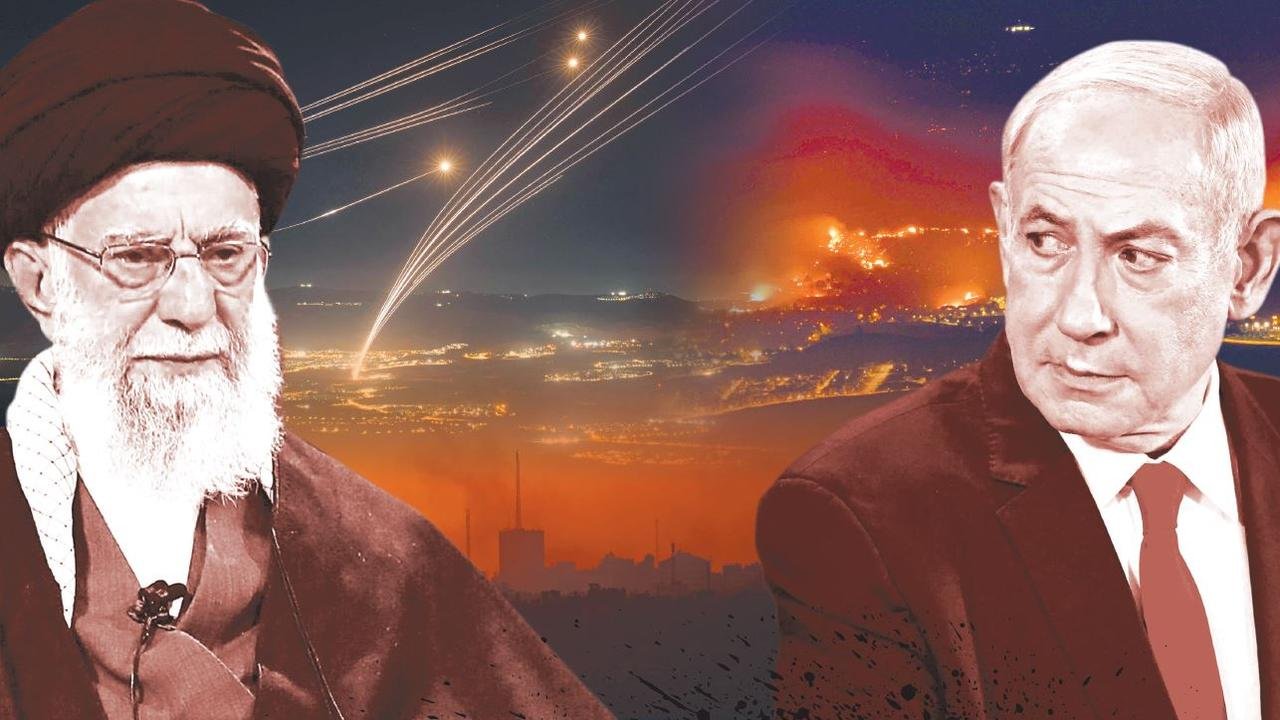
The fragile ceasefire that ended the 2026 Iran–Israel war in April has suffered its most serious test to date. On 7–8 June 2026, Iran and Israel exchanged direct military strikes for the first time since the cessation of hostilities, reigniting fears that the Middle East could slide back into a broader regional war. Although both sides announced a temporary halt to military operations following international pressure, the events of the past 48 hours reveal that the underlying drivers of the conflict remain unresolved and potentially more dangerous than before.
The latest escalation began after Israeli strikes against Hezbollah-linked targets in Lebanon, particularly around Beirut, prompting Tehran to launch multiple missile barrages against Israeli military facilities. Iran’s Islamic Revolutionary Guard Corps (IRGC) described the operation as a response to what it viewed as continued Israeli aggression against members of the so-called “Axis of Resistance.” Israel responded with strikes against military and defense-related targets inside Iran, including facilities linked to missile production and air defense systems.
While diplomatic intervention, particularly from Washington, helped prevent immediate escalation into a larger confrontation, the exchange highlights the increasingly unstable security architecture of the Middle East and raises important questions for European policymakers.
The End of the Post-War Illusion
When the April 2026 ceasefire was reached, many analysts hoped that both Iran and Israel had learned the costs of direct confrontation. The war had already demonstrated the destructive potential of missile exchanges, disruptions to maritime trade, and the vulnerability of critical infrastructure across the region. Yet the latest events suggest that the ceasefire did not resolve the strategic conflict; it merely froze it.
The June escalation demonstrates that the underlying confrontation between Iran and Israel remains active, even if temporarily restrained. Neither side has fundamentally altered its strategic objectives. Israel continues to view Iranian military networks and proxy forces as an existential threat. Iran continues to see itself as the leader of a regional resistance front against Israeli and Western influence. As long as these objectives remain unchanged, future escalations remain highly likely.
The exchange also illustrates a broader transformation of the conflict. What was once primarily a shadow war conducted through proxies, cyber operations, and covert actions has increasingly evolved into direct military confrontation between states.
The Lebanon Trigger
One of the most significant aspects of the latest escalation is the central role of Lebanon.
Iran justified its missile attacks as retaliation for Israeli military operations in Lebanon, reinforcing Tehran’s longstanding commitment to Hezbollah as a strategic partner and deterrence instrument. The fact that Israeli actions in Beirut directly triggered missile strikes from Iranian territory illustrates how deeply interconnected the region’s conflicts have become.
For Israel, military operations against Hezbollah remain a strategic necessity. Israeli officials argue that Hezbollah’s military capabilities continue to threaten northern Israel and undermine long-term regional stability. However, every strike against Hezbollah now carries the risk of triggering a wider confrontation with Iran itself.
This dynamic significantly complicates Israeli decision-making. Actions that once involved only Lebanon increasingly carry regional consequences.
Iran’s Strategic Messaging
Although Iran launched multiple missile attacks, Tehran simultaneously sought to signal restraint.
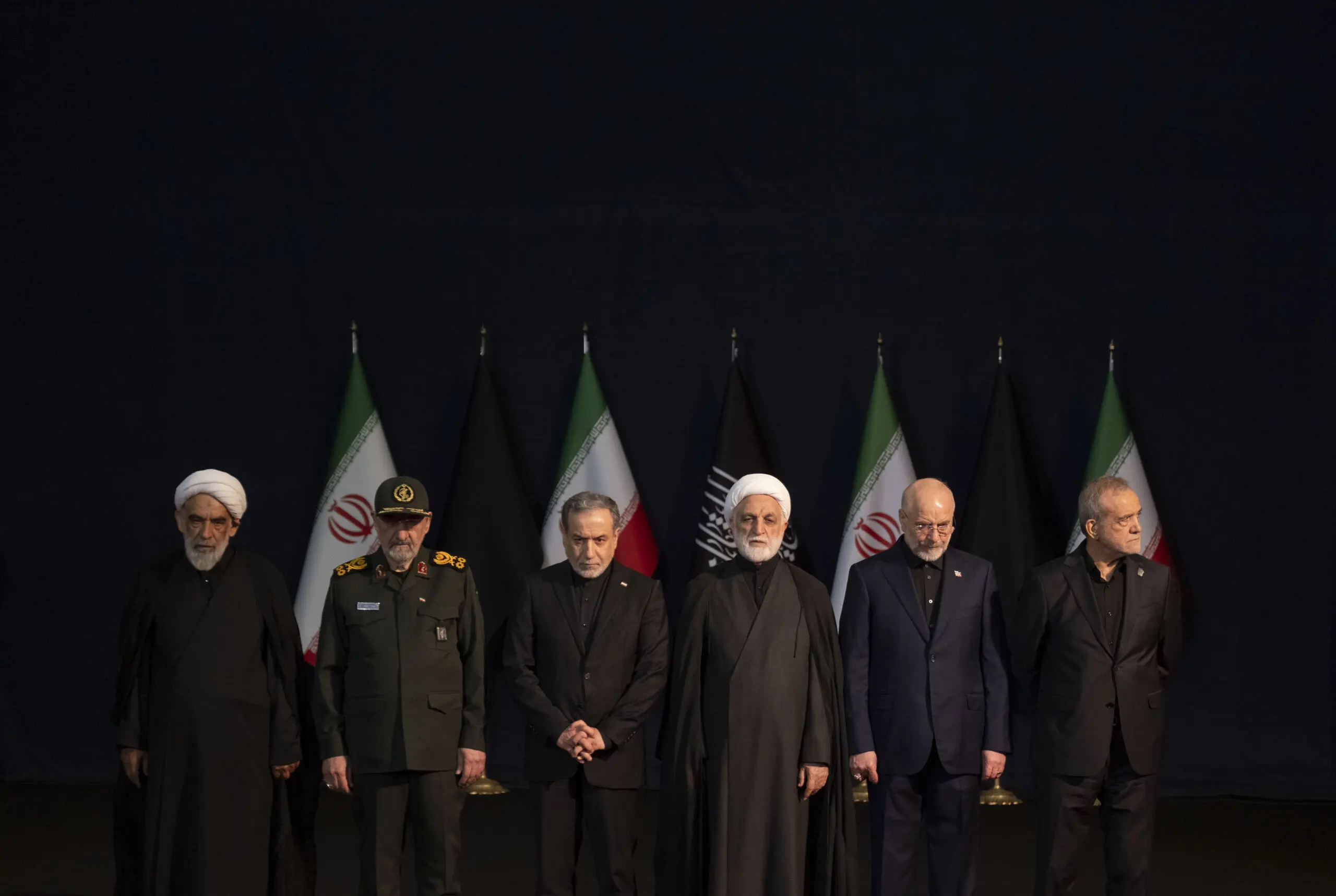
Iranian military officials declared that the latest wave of strikes had concluded and warned that future attacks would depend on Israeli behavior. The message appears designed to balance two competing objectives: maintaining deterrence while avoiding a broader war that could further strain Iran’s economy and security apparatus.
Iran’s leadership understands that another prolonged conflict would carry significant risks. The country remains under severe economic pressure, continues to face sanctions, and is still recovering from the consequences of the broader 2026 conflict. A full-scale regional war could further weaken domestic stability and place additional strain on state finances.
As one senior Iranian official reportedly indicated, Tehran remains prepared to “fight where necessary and negotiate where necessary.” This dual-track approach reflects Iran’s broader strategy of calibrated escalation rather than uncontrolled confrontation.
Israel’s Security Calculations
From Israel’s perspective, the latest strikes were intended to restore deterrence rather than expand the conflict.
Israeli military planners increasingly view rapid and targeted retaliation as necessary to prevent Iran and its allies from establishing new rules of engagement. By striking missile-related facilities and military targets inside Iran, Israel sought to demonstrate that direct attacks would carry immediate consequences.
Yet this approach also carries significant risks.
Every direct exchange raises the possibility of miscalculation. A missile that causes mass civilian casualties, a strike on critical energy infrastructure, or an attack involving American forces could rapidly transform a limited confrontation into a regional crisis.
The strategic challenge for Israel is therefore balancing deterrence with escalation control—a balance that is becoming increasingly difficult to maintain.
The Houthi Factor and Maritime Security
The June escalation has also highlighted the growing importance of non-state actors in shaping regional security dynamics.
Following the Israeli-Iranian exchange, Yemen’s Houthi movement announced a renewed campaign against Israeli-linked shipping in the Red Sea, declaring Israeli vessels legitimate military targets. The group also threatened broader disruptions to maritime traffic through critical waterways.
For Europe, this development may be as significant as the missile exchanges themselves.
The Bab el-Mandeb Strait and the Red Sea remain essential corridors for global trade, energy transportation, and supply chains linking Europe to Asia. Renewed instability in these maritime routes could significantly increase shipping costs, disrupt trade flows, and exacerbate inflationary pressures already affecting European economies.
This illustrates how regional conflicts increasingly generate global economic consequences.
Oil Markets and Global Economic Risks
Financial markets reacted immediately to the escalation.
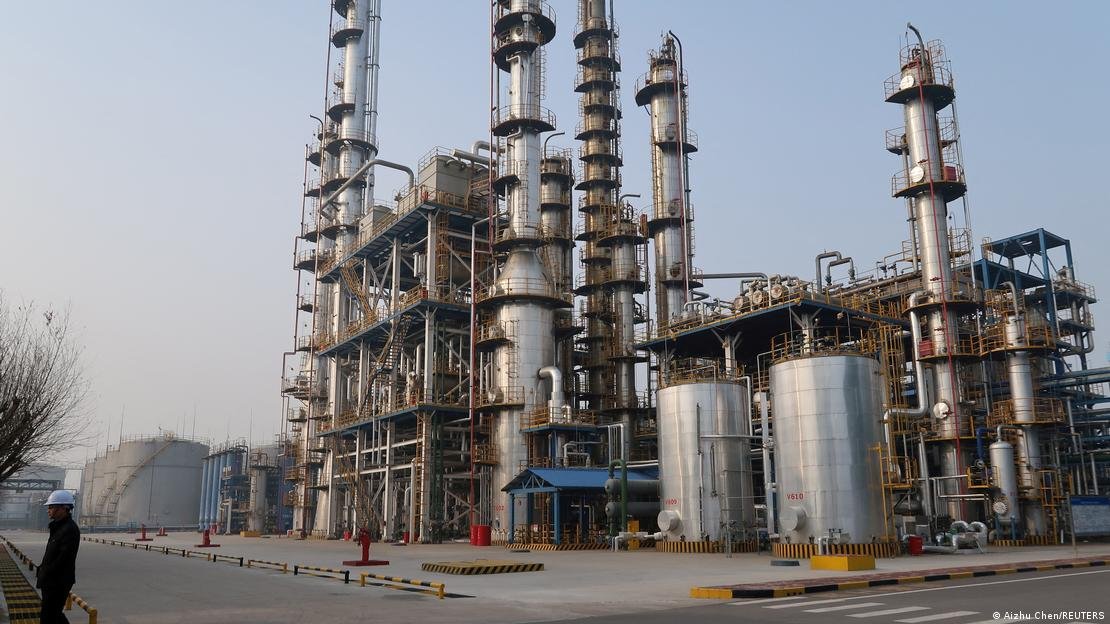
Oil prices surged sharply amid concerns that renewed hostilities could threaten energy exports and delay efforts to fully reopen strategic maritime routes. Brent crude briefly approached $100 per barrel before retreating after Iran announced a temporary end to military operations.
Although markets stabilized later in the day, the volatility highlights a persistent vulnerability in the global economy.
The Strait of Hormuz remains one of the world’s most important energy chokepoints. Any perception that conflict could threaten oil shipments through the Gulf immediately affects global energy markets.
For Europe, which remains highly sensitive to energy price fluctuations following the Ukraine war and broader geopolitical instability, renewed Middle East tensions represent a significant economic risk.
Implications for Europe
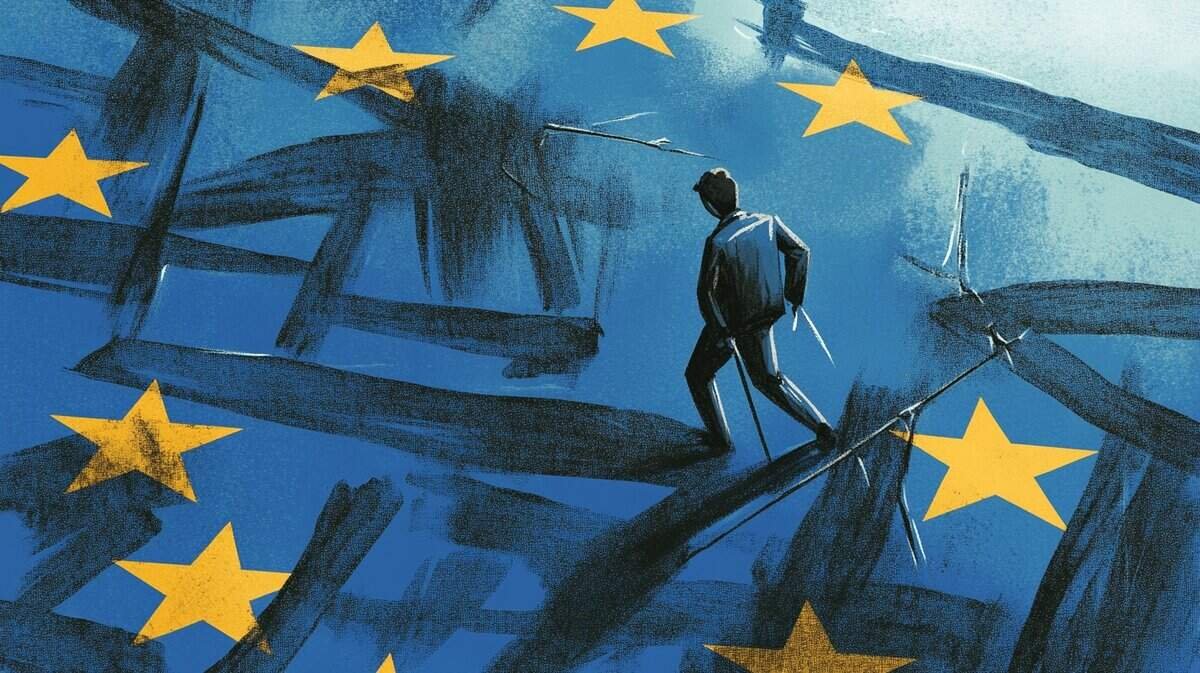
The latest escalation underscores Europe’s limited influence over one of the most consequential security crises affecting its neighborhood.
European governments have largely found themselves reacting to developments rather than shaping them. While European states remain important diplomatic actors and contributors to regional maritime security operations, they possess limited leverage over the core strategic calculations of either Tehran or Jerusalem.
At the same time, Europe remains highly exposed to the consequences of escalation. Energy prices, migration pressures, maritime security risks, and supply-chain disruptions all directly affect European interests.
The challenge for European policymakers is therefore not merely preventing war but developing a coherent regional strategy capable of addressing the interconnected nature of Middle Eastern security crises.
The June 2026 Israel–Iran escalation demonstrates that the Middle East remains trapped in a cycle of confrontation that no ceasefire has yet resolved.
Although both sides have temporarily halted military operations, the structural drivers of conflict remain intact. Lebanon, Hezbollah, Iranian regional influence, Israeli deterrence concerns, and broader geopolitical rivalries continue to create conditions for future escalation.
The events of 8 June should therefore be viewed not as an isolated crisis but as a warning.
The post-war order established after the April ceasefire remains fragile, contested, and vulnerable to collapse. Future confrontations may be larger, more complex, and more difficult to contain.
For Europe, the lesson is clear: stability in the Middle East can no longer be treated as a distant regional issue. It has become a direct component of European security, economic resilience, and strategic planning.