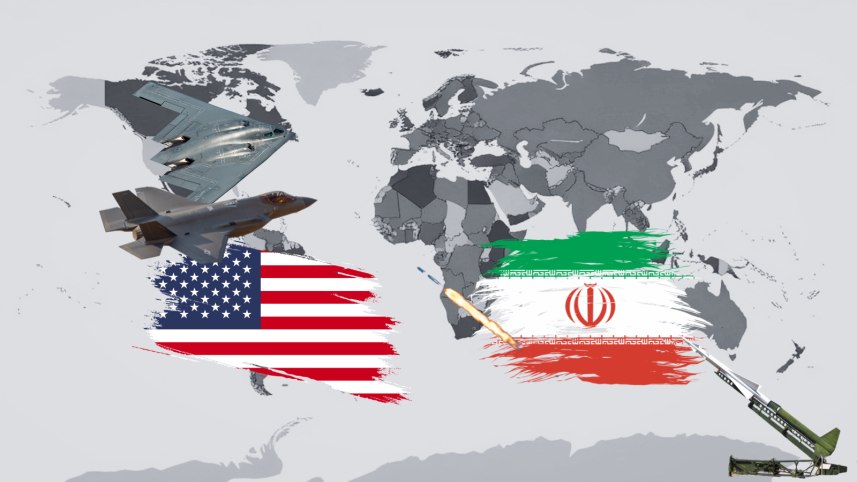
The preliminary agreement reached between the United States and Iran in June 2026 represents the most significant diplomatic breakthrough between the two countries in years. Emerging after months of military confrontation, economic disruption, and regional instability, the agreement seeks to reopen the Strait of Hormuz, extend a ceasefire, initiate a new framework for nuclear negotiations, and create conditions for gradual sanctions relief.
However, despite the optimism surrounding the announcement, the agreement does not resolve the fundamental sources of tension between Washington and Tehran. Critical issues—including uranium enrichment, ballistic missile development, regional proxy networks, sanctions architecture, and verification mechanisms—remain unresolved and have largely been deferred to future negotiations.
For Europe, the agreement offers both opportunity and risk. A successful implementation could stabilize energy markets, reduce the likelihood of regional conflict, and reopen channels for diplomacy. Failure, however, could trigger renewed confrontation, threaten global energy supplies, and further destabilize an already fragile Middle East.
The June 2026 US–Iran agreement arrives at a pivotal moment in regional and international politics.
Following a prolonged period of military escalation that included direct confrontation, maritime disruptions, and a near-total collapse of diplomatic relations, both Washington and Tehran appear to have concluded that continued escalation would impose unsustainable costs. The result was a framework agreement designed not to solve every dispute, but to halt a dangerous cycle of confrontation.
The agreement’s immediate objectives are practical rather than transformative. It aims to restore maritime navigation through the Strait of Hormuz, maintain a 60-day ceasefire, begin negotiations over Iran’s nuclear program, and establish a pathway toward selective sanctions relief.
Yet history suggests that agreements between the United States and Iran should be evaluated not by their announcements but by their implementation.
The central question is therefore not whether an agreement exists, but whether the political conditions necessary for its success are present.
What the Agreement Actually Contains
Although the full text has not yet been publicly released, information emerging from American, Iranian, and international sources suggests several key pillars.
First, Iran has agreed to facilitate the reopening of the Strait of Hormuz to commercial shipping after months of disruption that significantly affected global energy markets. In return, the United States has indicated a willingness to ease certain restrictions and suspend some punitive measures affecting Iranian oil exports.
Second, both parties have accepted a framework for extending the ceasefire and preventing further military escalation. This reflects recognition by both governments that continued conflict risks economic and strategic consequences neither side wishes to bear.
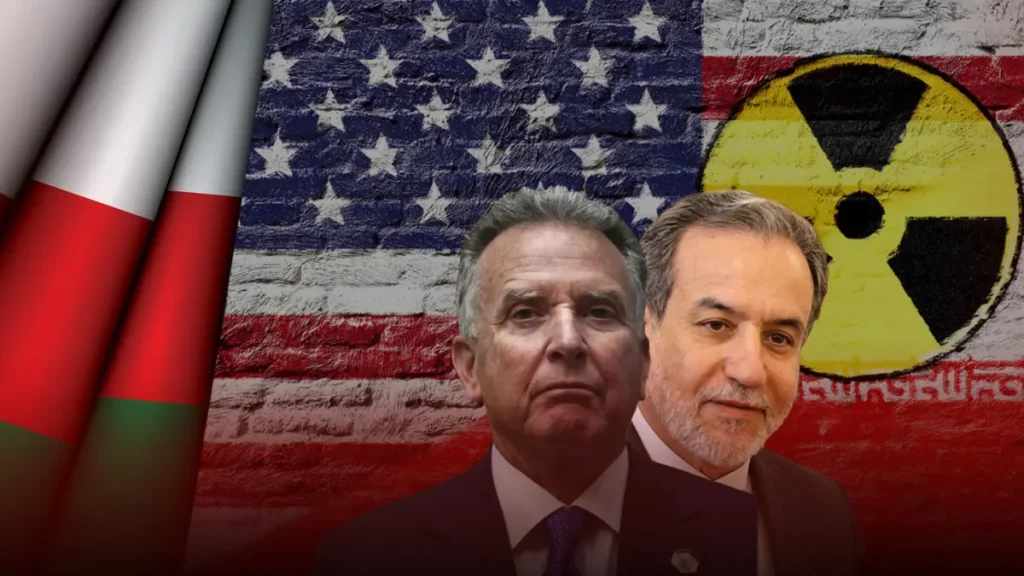
Third, the agreement establishes a 60-day period for intensive negotiations concerning Iran’s nuclear activities. Questions regarding uranium enrichment levels, stockpiles of enriched uranium, inspection mechanisms, and long-term monitoring remain unresolved and will be addressed in future talks.
Finally, discussions concerning broader economic normalization—including sanctions relief, access to frozen assets, and potential investment frameworks—appear to be linked to Iranian compliance with future commitments.
Why Both Sides Needed a Deal
The agreement emerged because both parties faced mounting strategic pressures.
For Iran, years of sanctions, economic isolation, military confrontation, and domestic economic strain created strong incentives to seek relief. The reopening of export routes and the prospect of sanctions easing offer Tehran an opportunity to stabilize an economy that has struggled under prolonged external pressure. Research on Iran’s long-term confrontation with the West suggests that sanctions and isolation have produced significant and lasting economic costs, reducing investment, trade integration, and economic growth.
For the United States, the priorities were different but equally compelling. Washington sought to reduce the risk of a wider regional war, stabilize energy markets, and avoid another prolonged military commitment in the Middle East. The closure or disruption of the Strait of Hormuz threatened global energy flows and created significant pressure from international markets and key allies. Approximately one-fifth of global oil and LNG shipments transit through the waterway, making its security a matter of global concern.
In essence, both governments concluded that diplomacy offered a more sustainable path than escalation.
The Nuclear Question Remains Unresolved
Despite widespread media attention, the most difficult issue remains largely unresolved.
The agreement creates space for future nuclear negotiations, but it does not yet establish a final framework governing Iran’s enrichment activities or its existing nuclear infrastructure. Reports indicate significant differences remain between the American and Iranian positions. Washington continues to favor strict limitations and extensive verification measures, while Tehran insists on preserving aspects of its civilian nuclear program and its right to domestic enrichment.
This dispute is not merely technical.
For Iran, enrichment capability has become a symbol of sovereignty and technological independence. For the United States and its allies, enrichment capacity remains closely linked to concerns about potential weaponization.
As one European nuclear policy expert observed:
“The ceasefire may be immediate, but the nuclear dispute has only been postponed.”
The coming negotiations will therefore determine whether the current agreement becomes a durable diplomatic settlement or merely an intermission before renewed confrontation.
Expert Perspectives
According to maritime security analysts, the reopening of the Strait of Hormuz may be the most economically significant component of the agreement.
A senior European energy security researcher interviewed by ECSAP noted:
“Energy markets react immediately to perceptions of risk in the Gulf. Even limited progress can produce outsized economic benefits.”
This assessment is supported by market reactions following the announcement. Oil prices declined sharply after reports of the agreement emerged, reflecting expectations that shipping routes would gradually normalize and geopolitical risk premiums would decline.
Meanwhile, non-proliferation experts remain cautious.
Several analysts argue that the agreement resembles previous diplomatic frameworks that reduced tensions temporarily without resolving fundamental disagreements. The absence of publicly available details regarding inspections, enrichment caps, and enforcement mechanisms continues to generate uncertainty among policymakers and investors alike.
Implications for Europe
For Europe, the agreement carries major strategic implications.
First, it reduces the immediate risk of a broader regional conflict that could destabilize energy supplies and create new security pressures on Europe’s southern flank.
Second, it may contribute to lower energy prices and improved economic stability. European economies remain sensitive to external energy shocks following years of volatility associated with the Ukraine war and wider geopolitical tensions.
Third, the agreement may create opportunities for renewed European diplomatic engagement. Historically, European states have played important mediating roles in nuclear diplomacy with Iran and may once again serve as facilitators during future negotiations.
However, Europe also faces risks.
If negotiations collapse, the current agreement could merely delay rather than prevent another crisis. A breakdown could result in renewed sanctions, military escalation, and further disruption to global trade routes.
Strategic Risks Ahead
Three major risks threaten the agreement.
The first is implementation risk. Agreements often fail not because negotiators cannot reach them, but because parties interpret obligations differently after signing.
The second is regional escalation. Activities involving Israel, Hezbollah, or other regional actors could rapidly undermine diplomatic progress and create pressure for renewed confrontation.
The third is domestic politics. Hardliners in both countries remain skeptical of compromise. Political opposition could complicate implementation, particularly if negotiations begin producing controversial concessions.
These challenges mean that success is far from guaranteed.
The June 2026 US–Iran agreement represents a significant diplomatic achievement and a welcome reduction in immediate tensions. It reflects a mutual recognition that continued confrontation carries unacceptable economic and strategic costs.
Yet the agreement should not be mistaken for a comprehensive settlement.
The most difficult questions—including the future of Iran’s nuclear program, the architecture of sanctions relief, regional security arrangements, and verification mechanisms—remain unresolved. The current framework creates an opportunity for diplomacy, but it does not guarantee success.
For Europe, the agreement offers a rare window of stability in an increasingly volatile region. Whether that window remains open will depend on the willingness of both Washington and Tehran to transform a temporary de-escalation into a durable political settlement.
The next sixty days may prove more important than the agreement itself.