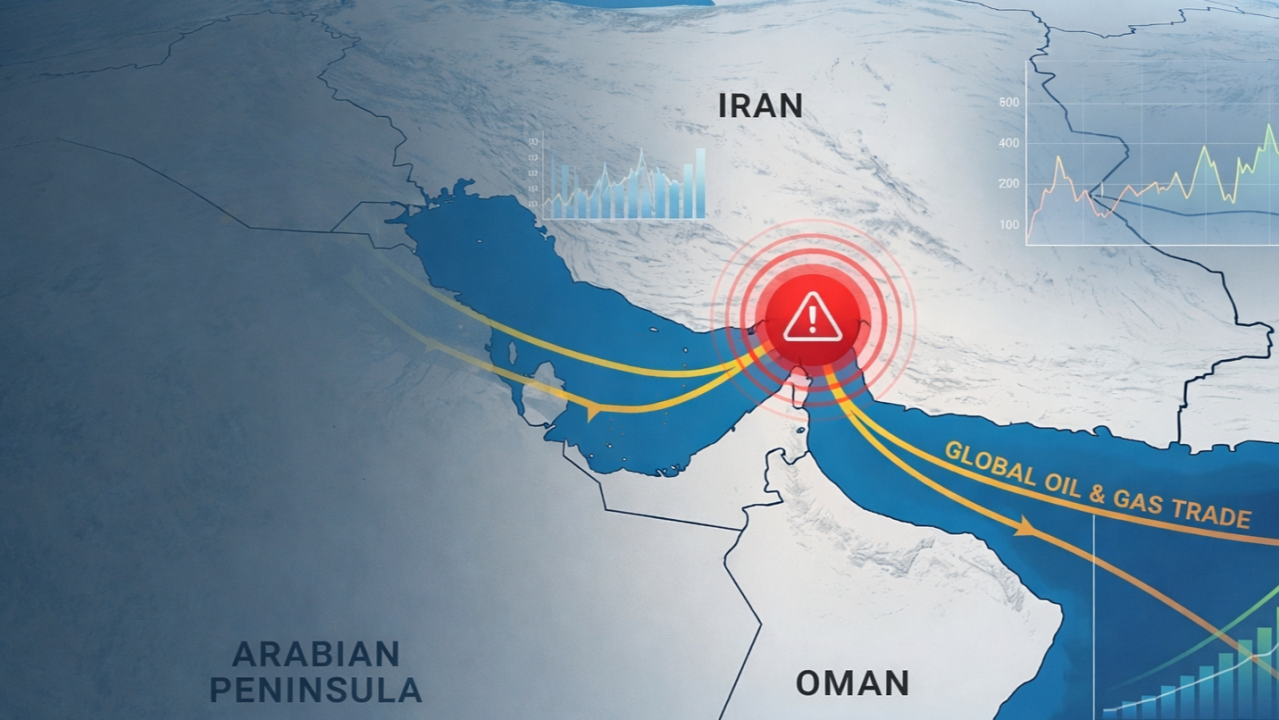
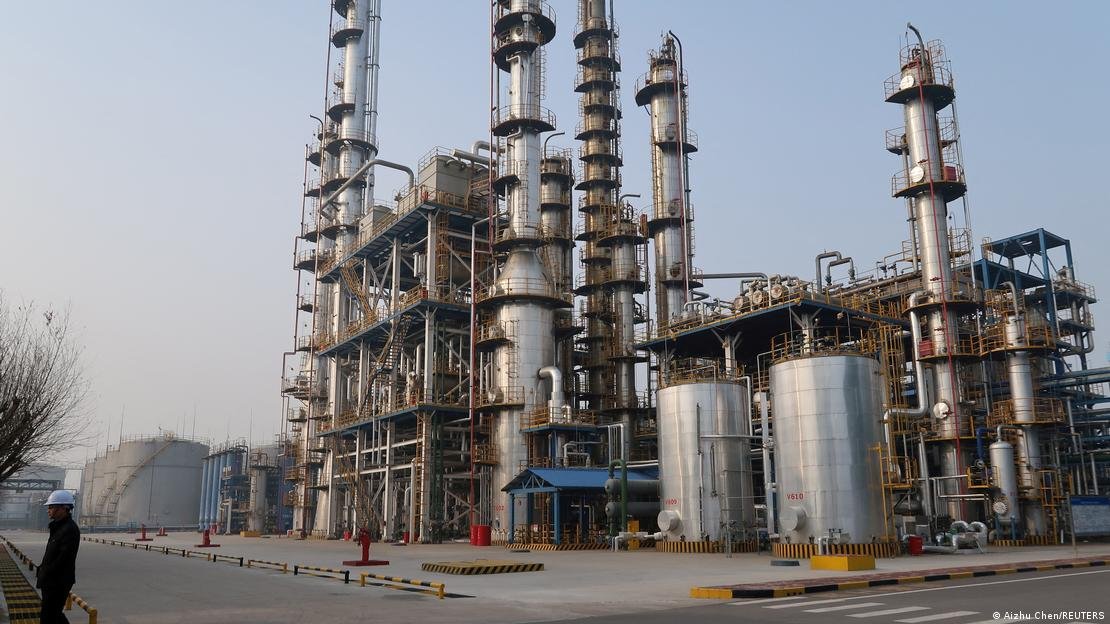
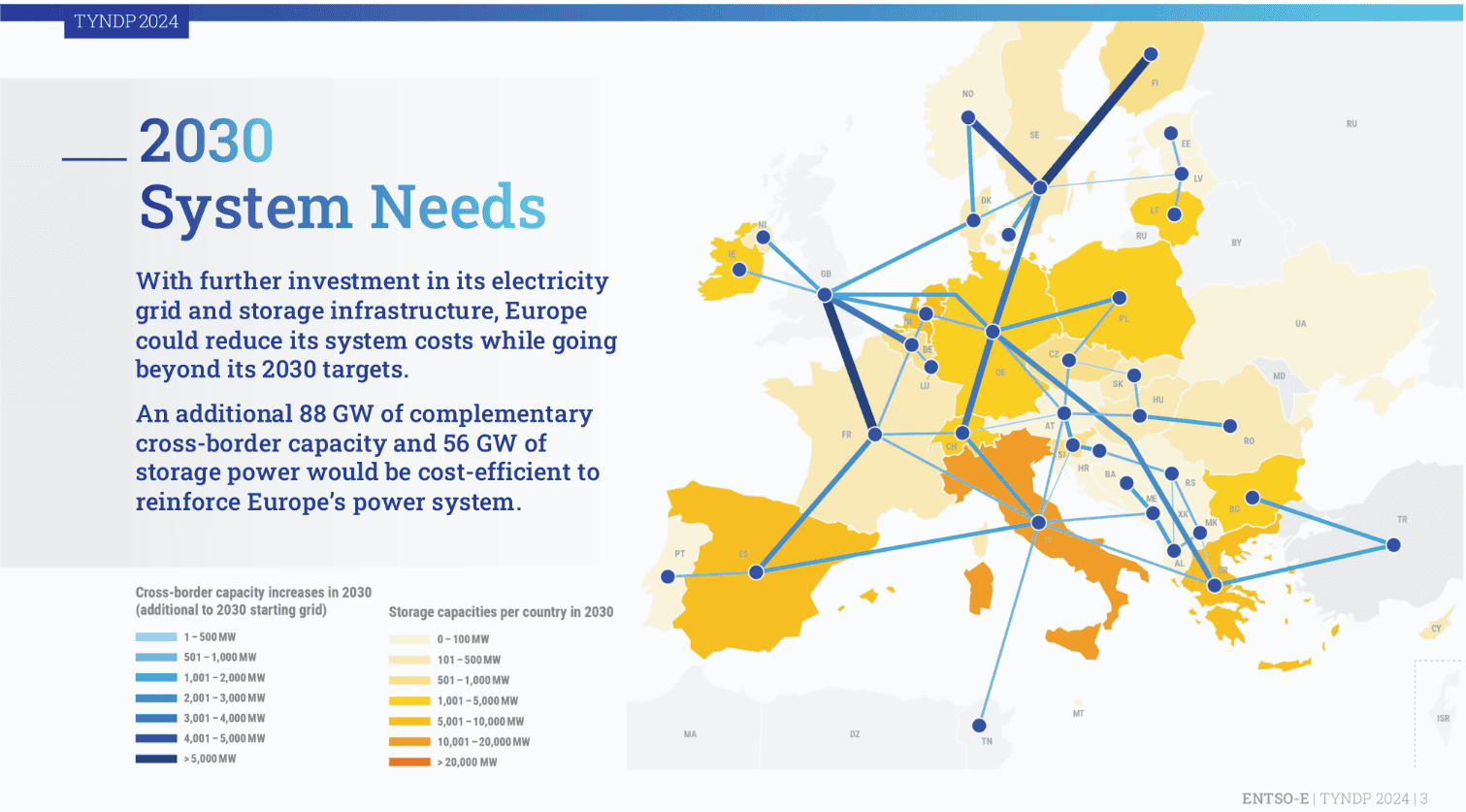
The European Centre for Strategic Studies and Policy (ECSAP) Europe is entering the autumn of 2026 facing an energy crisis fundamentally different from the shock that followed Russia’s invasion of Ukraine. The earlier crisis centred primarily on dependence on Russian pipeline gas. The current crisis is broader, more geographically dispersed and potentially more difficult to
September 28, 2026
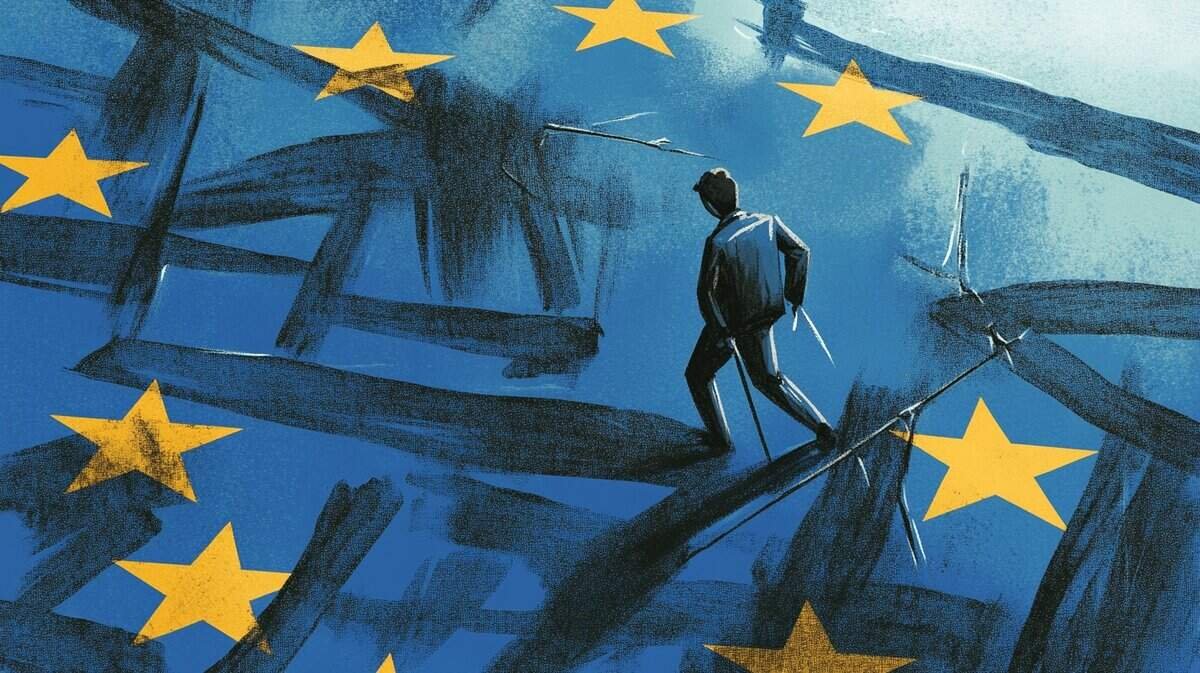
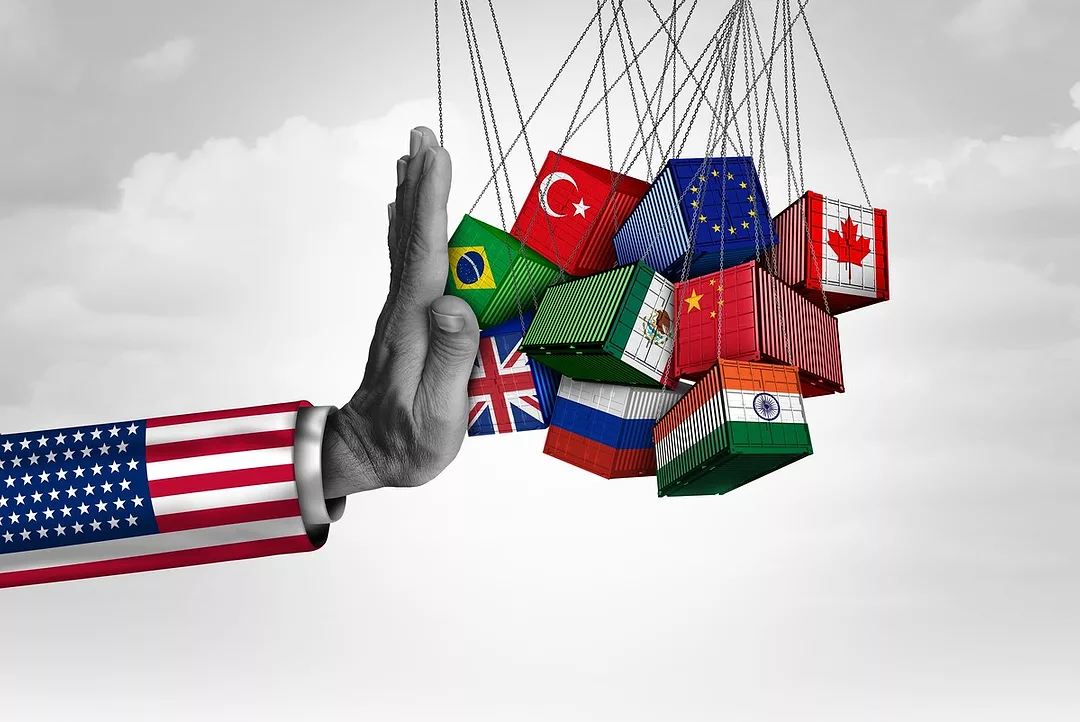
How Pressure from the United States, China and Russia Is Forcing the European Union to Redefine Economic Security The European Centre for Strategic Studies and Policy (ECSAP) Europe is entering a strategic environment for which the European Union was not originally designed. The EU was built around the assumption that economic openness, expanding trade and
September 15, 2026
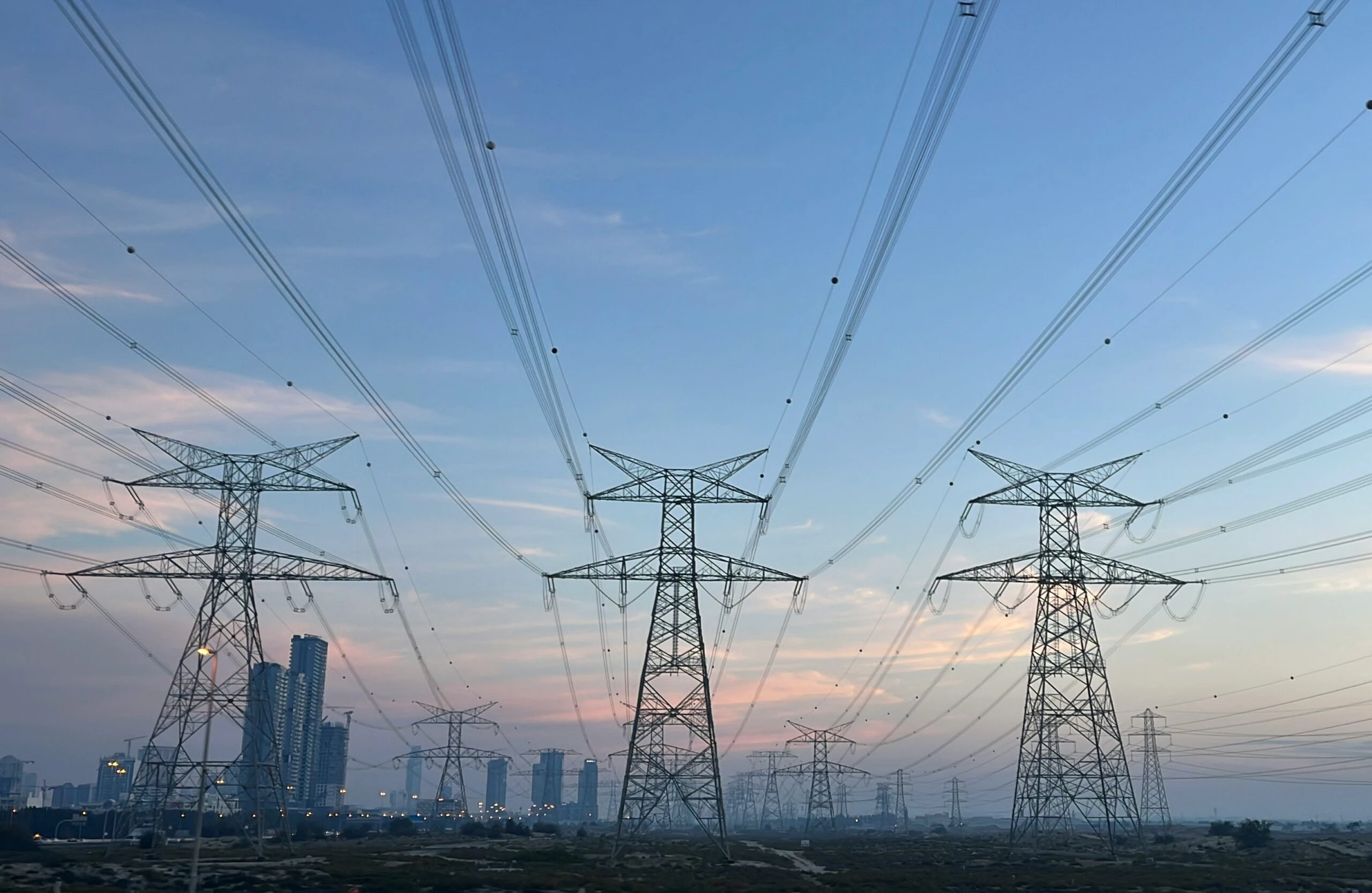
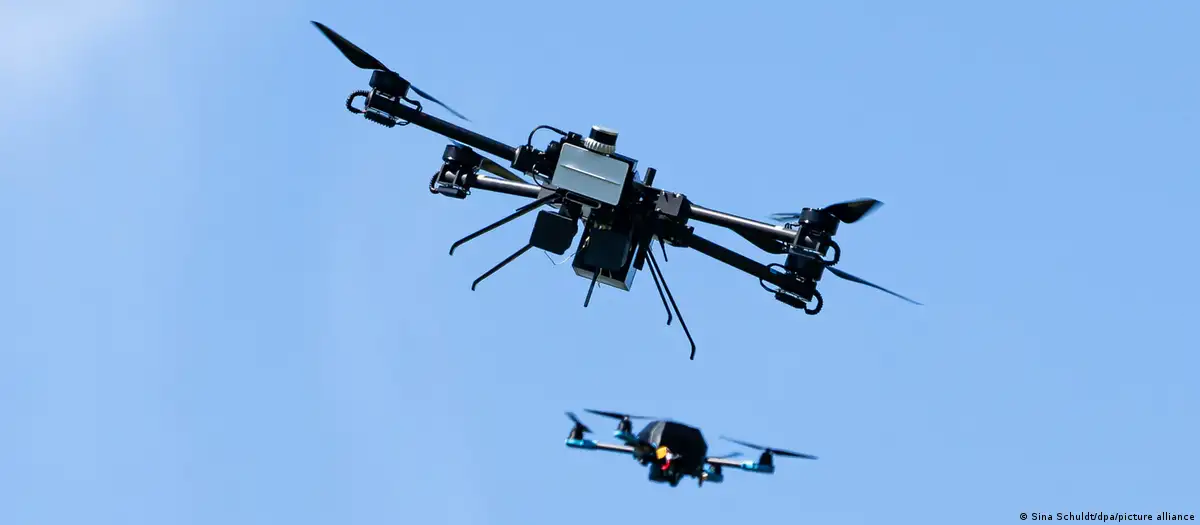
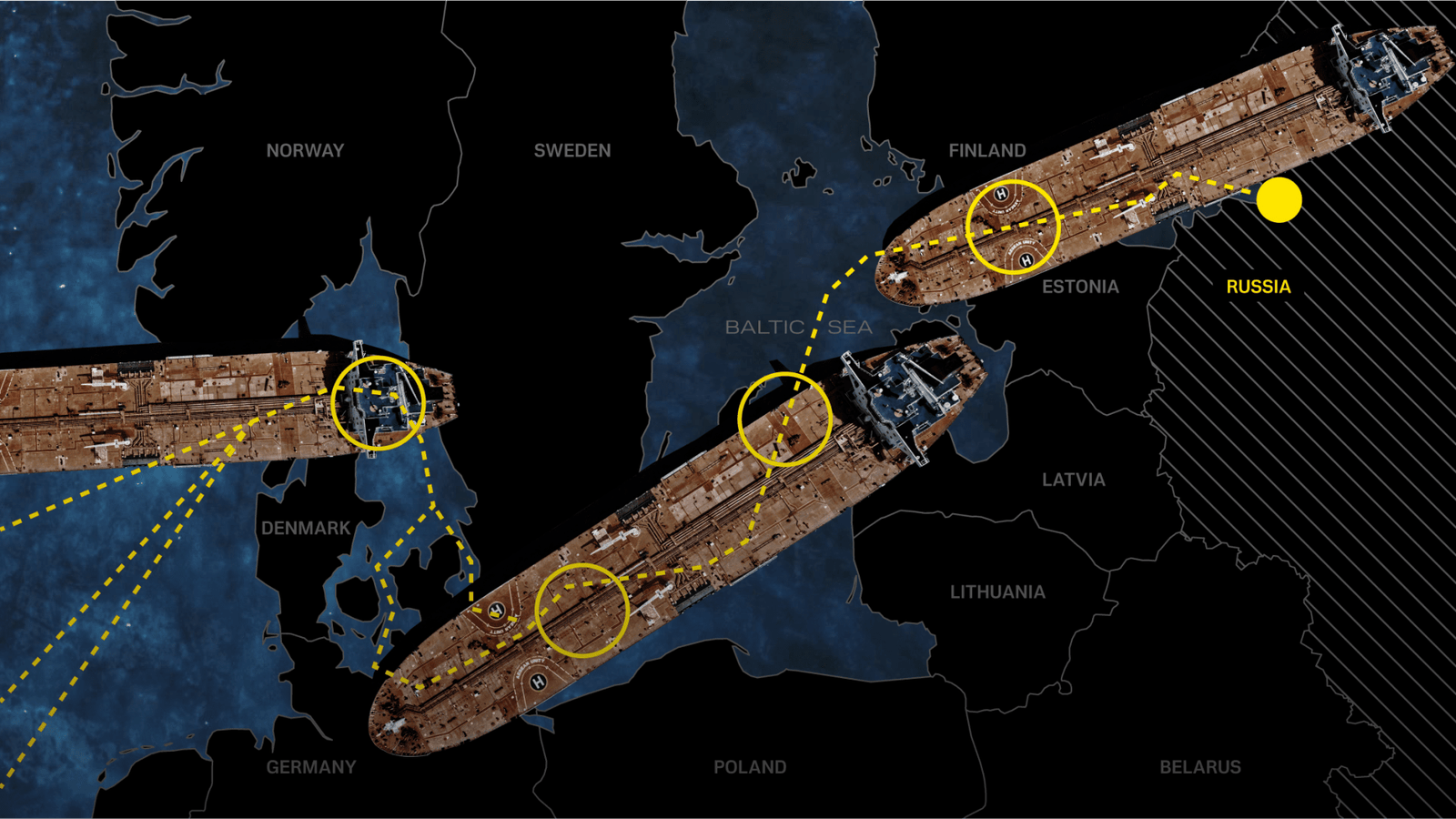
Why Sabotage of Critical Infrastructure Could Become the Continent’s Next Security Crisis The European Centre for Strategic Studies and Policy (ECSAP) Executive Summary Europe may be entering a more dangerous phase of hybrid confrontation, one in which the distinction between military conflict, covert operations and attacks on civilian infrastructure is becoming increasingly difficult to maintain.
September 5, 2026
The European Centre for Strategic Studies and Policy (ECSAP) Europe is entering the autumn of 2026 facing an energy crisis fundamentally different from the shock that followed Russia’s invasion of Ukraine. The earlier crisis centred primarily on dependence on Russian pipeline gas. The current crisis is broader, more geographically dispersed and potentially more difficult to
September 28, 2026
How Pressure from the United States, China and Russia Is Forcing the European Union to Redefine Economic Security The European Centre for Strategic Studies and Policy (ECSAP) Europe is entering a strategic environment for which the European Union was not originally designed. The EU was built around the assumption that economic openness, expanding trade and
September 15, 2026
Why Sabotage of Critical Infrastructure Could Become the Continent’s Next Security Crisis The European Centre for Strategic Studies and Policy (ECSAP) Executive Summary Europe may be entering a more dangerous phase of hybrid confrontation, one in which the distinction between military conflict, covert operations and attacks on civilian infrastructure is becoming increasingly difficult to maintain.
September 5, 2026
How Pressure from the United States, China and Russia Is Forcing the European Union to Redefine Economic Security The European Centre for Strategic Studies and Policy (ECSAP) Europe is entering
How Pressure from the United States, China and Russia Is Forcing the European Union to Redefine Economic Security The European Centre for Strategic Studies and Policy (ECSAP) Europe is entering


Dr Bojana Zorić
Dr Bojana Zori is a Policy Analyst at the European Centre for Strategic Studies and Policy (ECSAP), specialising in the Western Balkans and the Eastern Neighbourhood. Her work focuses on political and security dynamics in these regions, with particular attention to emerging threats, the influence of external actors, and their implications for EU foreign policy and the enlargement process.
Len Moma
Len Moma is the editor in chief of European Centre for Strategic Studies and Policy (ECSAP). She specializes in Europe and the Middle East and the interplay between those two spaces. She has particular expertise on foreign and defense policy, European geopolitics, and the transatlantic relationship.
Alix Rondbary
Alix Rondbary. Prior to joining the European Centre for Strategic Studies and Policy (ECSAP)., Dr Alix was a Senior Advisor in the Asia-Pacific Department of the EEAS, acting as the Alternate EU SOM for the ASEM process. He was also a Member of the Cabinet of HR/VP Catherine Ashton with responsibility for Asia and the Pacific, Turkey, and the general issue of how to frame and strengthen the EU’s relations with its strategic partners. Between 2005 and 2009.
Dr Rosa Halon
Dr Rosa Halon is the director of the European Centre for Strategic Studies and Policy (ECSAP). Her fields of expertise include European politics, institutions, and foreign and security policy. Her current research focuses on the relationship between domestic politics and Europe’s global role.
She is the author of books, research-based articles, and opinion pieces in the international press on issues relating to European politics and international relations.
Dr Giuseppe Spatafora
Dr Giuseppe Spatafora is a Research Analyst at European Centre for Strategic Studies and Policy (ECSAP), where he leads the portfolio on transatlantic and EU-NATO relations and MENA.
In this capacity, he monitors trends and policy developments related to EU-US and NATO-EU relations, as well as the broader transatlantic relationship (North and South), covering the full range of security challenges.
Mila Aandrson
Mila Pandrson is a Research Analyst at European Centre for Strategic Studies and Policy (ECSAP). She leads the portfolio on Energy security.
Pandrson holds a MPhil in Regional Studies and History from the University of Oxford with a focus on the Southern Neighbourhood and the Middle East.She holds a BA with honours in International History from the London School of Economics (LSE).
Dr Bojana Zori
Dr Bojana Zori is a Policy Analyst at the European Centre for Strategic Studies and Policy (ECSAP), specialising in the Western Balkans and the Eastern Neighbourhood. Her work focuses on political and security dynamics in these regions, with particular attention to emerging threats, the influence of external actors, and their implications for EU foreign policy and the enlargement process.
Len Moma
Len Moma is the editor in chief of European Centre for Strategic Studies and Policy (ECSAP). She specializes in Europe and the Middle East and the interplay between those two spaces. She has particular expertise on foreign and defense policy, European geopolitics, and the transatlantic relationship.
Alix Rondbary
Alix Rondbary. Prior to joining the European Centre for Strategic Studies and Policy (ECSAP)., Dr Alix was a Senior Advisor in the Asia-Pacific Department of the EEAS, acting as the Alternate EU SOM for the ASEM process. He was also a Member of the Cabinet of HR/VP Catherine Ashton with responsibility for Asia and the Pacific, Turkey, and the general issue of how to frame and strengthen the EU’s relations with its strategic partners. Between 2005 and 2009.
Dr Rosa Halon
Dr Rosa Halon is the director of the European Centre for Strategic Studies and Policy (ECSAP). Her fields of expertise include European politics, institutions, and foreign and security policy. Her current research focuses on the relationship between domestic politics and Europe’s global role.
She is the author of books, research-based articles, and opinion pieces in the international press on issues relating to European politics and international relations.
Dr Juseppe Spata
Dr Juseppe Spata is a Research Analyst at European Centre for Strategic Studies and Policy (ECSAP), where he leads the portfolio on transatlantic and EU-NATO relations and MENA.
In this capacity, he monitors trends and policy developments related to EU-US and NATO-EU relations, as well as the broader transatlantic relationship (North and South), covering the full range of security challenges.
Mila Pandrson
Mila Pandrson is a Research Analyst at European Centre for Strategic Studies and Policy (ECSAP). She leads the portfolio on Energy security.
Pandrson holds a MPhil in Regional Studies and History from the University of Oxford with a focus on the Southern Neighbourhood and the Middle East. He holds a BA with honours in International History from the London School of Economics (LSE).
Dr Bojana Zori
Dr Bojana Zori is a Policy Analyst at the European Centre for Strategic Studies and Policy (ECSAP), specialising in the Western Balkans and the Eastern Neighbourhood. Her work focuses on political and security dynamics in these regions, with particular attention to emerging threats, the influence of external actors, and their implications for EU foreign policy and the enlargement process.
Len Moma
Len Moma is the editor in chief of European Centre for Strategic Studies and Policy (ECSAP). She specializes in Europe and the Middle East and the interplay between those two spaces. She has particular expertise on foreign and defense policy, European geopolitics, and the transatlantic relationship.
Alix Rondbary
Alix Rondbary. Prior to joining the European Centre for Strategic Studies and Policy (ECSAP)., Dr Alix was a Senior Advisor in the Asia-Pacific Department of the EEAS, acting as the Alternate EU SOM for the ASEM process. He was also a Member of the Cabinet of HR/VP Catherine Ashton with responsibility for Asia and the Pacific, Turkey, and the general issue of how to frame and strengthen the EU’s relations with its strategic partners. Between 2005 and 2009.
Dr Rosa Halon
Dr Rosa Halon is the director of the European Centre for Strategic Studies and Policy (ECSAP). Her fields of expertise include European politics, institutions, and foreign and security policy. Her current research focuses on the relationship between domestic politics and Europe’s global role.
She is the author of books, research-based articles, and opinion pieces in the international press on issues relating to European politics and international relations.
Dr Juseppe Spata
Dr Juseppe Spata is a Research Analyst at European Centre for Strategic Studies and Policy (ECSAP), where he leads the portfolio on transatlantic and EU-NATO relations and MENA.
In this capacity, he monitors trends and policy developments related to EU-US and NATO-EU relations, as well as the broader transatlantic relationship (North and South), covering the full range of security challenges.
Mila Pandrson
Mila Pandrson is a Research Analyst at European Centre for Strategic Studies and Policy (ECSAP). She leads the portfolio on Energy security.
Pandrson holds a MPhil in Regional Studies and History from the University of Oxford with a focus on the Southern Neighbourhood and the Middle East. He holds a BA with honours in International History from the London School of Economics (LSE).
Media
Explore our latest video content offering expert analysis and insights into key global and European security challenges.