An El Niño event could disrupt UK weather, laying bare the vulnerabilities flagged by the Climate Change Committee’s new report.
Global average temperatures have risen to 1.4°C above pre-industrial levels. This year, warming ocean temperatures in the Pacific are signalling a ‘super El Niño’ in mid- to late 2026, which could raise temperatures by a further 0.2°C.
El Niño events are a natural part of the climate system, marked by periodic warming of the sea surface temperatures in the Pacific Ocean, temporarily raising global temperatures and disrupting weather patterns. However, in a world already altered by climate change, cyclical climate patterns such as El Niño are no longer temporary fluctuations but forces that intensify the variability of weather patterns and compound the cascading impacts of climate change.
Risks for the UK
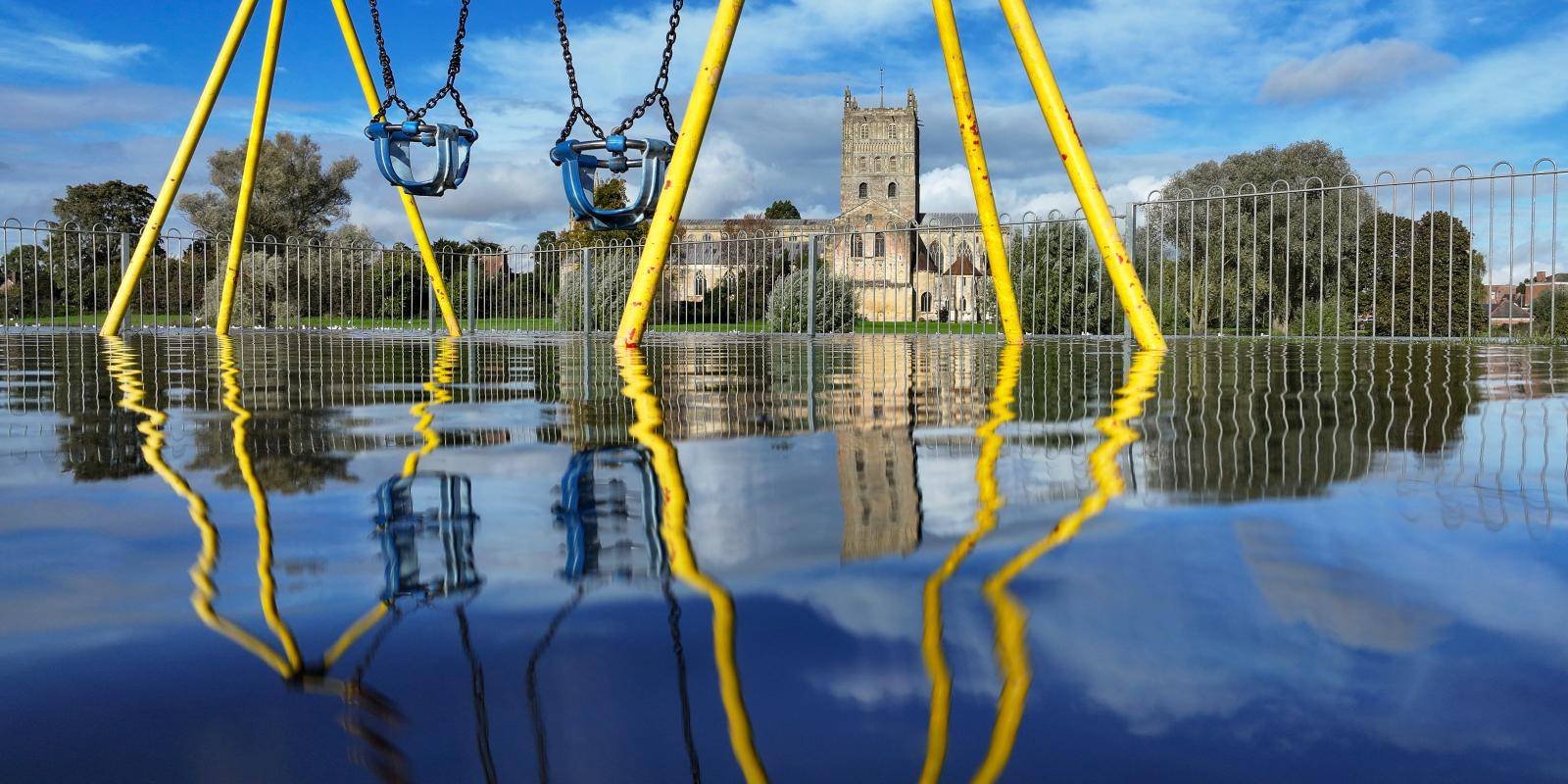
Previous El Niño events have coincided with some of the warmest years on record, intensifying heatwaves, flooding events and storms. For example, Storm Babet – which caused significant flooding across the UK – coincided with the 2023 El Niño. While the impacts of El Niño on the UK and Europe are often indirect and lagged, when its effects interact with higher baseline temperatures and variability, it can have consequences for global trade and regional stability.
And the risks are only increasing. The May 2026 Well Adapted UK report by the UK’s Committee on Climate Change (CCC) advises the UK government to prepare for 2°C global warming by 2050 under current policies, with a realistic probability of up to 4°C warming by 2100. Inadequate and delayed adaptation will increase the costs of inaction, as heatwaves and wildfires become more frequent and flood risks increase. The CCC identifies the three biggest climate risks that pose a threat to the UK: heat, flooding and drought. As climate damages could rise to the equivalent of 1-5 per cent of UK GDP by 2050, the CCC calls on the government to invest around £11 billion annually on climate resilience, including adaptation actions in these three priority areas: protection from heat, managing flood risk and avoiding water shortages.
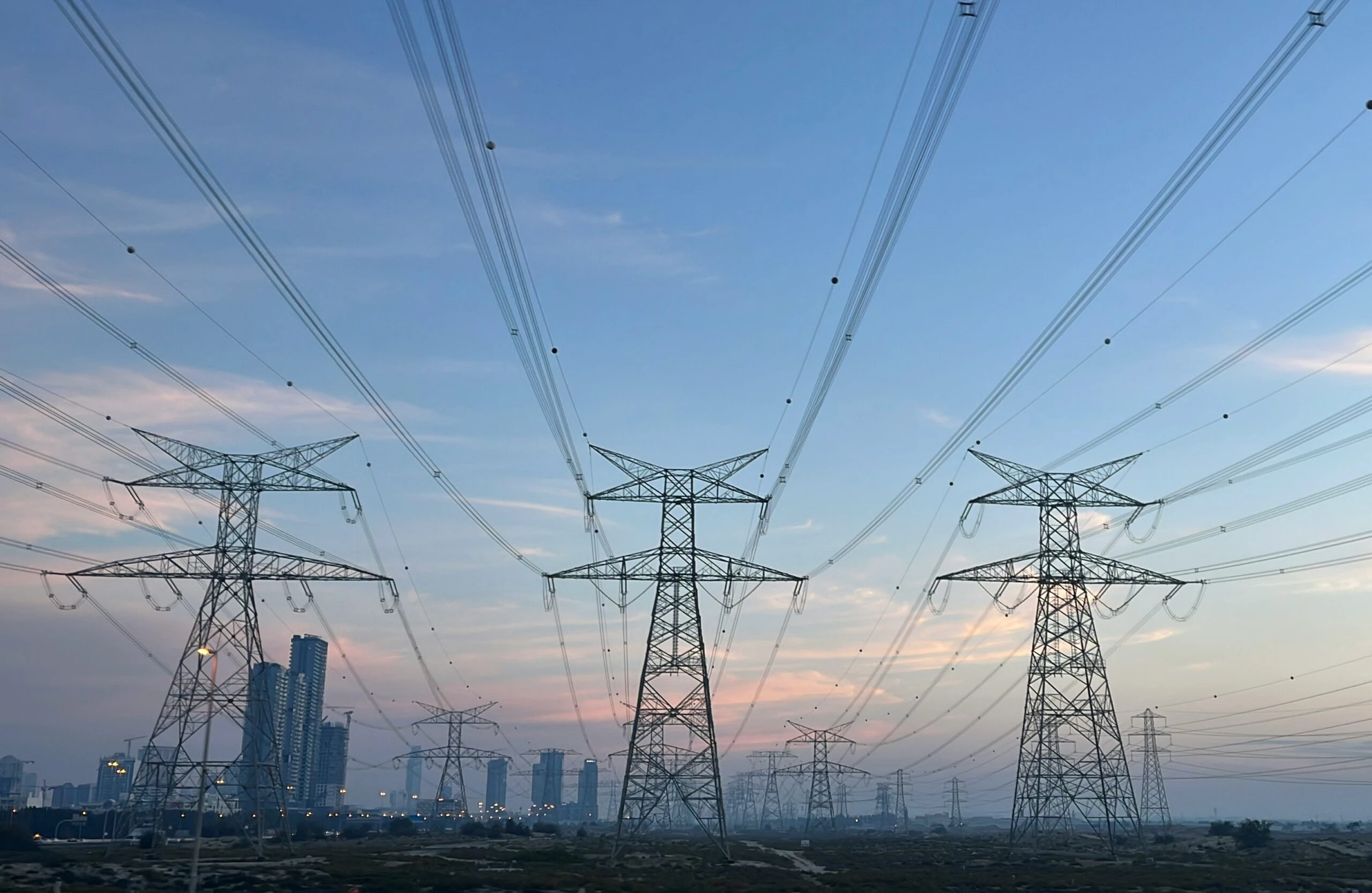
How these risks materialize, and how decision-makers respond today, will have direct consequences for our future food, energy, economic and social systems. Key parts of social and physical infrastructure – including education, health care, transport systems, power grids and telecommunications – are at risk of irreversible damage, and their stability is critical as climate change intensifies. To protect the function and integrity of these systems, the UK needs to implement a robust adaptation strategy – and to make climate adaptation legally enforceable.
Making adaptation legally enforceable
While the UK is legally required to adapt to climate change under the 2008 Climate Change Act (CCA), delivery is siloed and unevenly implemented. For example, the CCA’s Adaptation Reporting Power (ARP) enables the UK government to request reports from infrastructure providers, regulators and companies with public functions critical to national resilience on how climate change impacts their operations, their adaptation proposal and implementation progress. However, potential chokepoints, such as food supply, are not adequately captured due to uneven application and enforcement across sectors. So, while reporting obligations exist, implementation standards are not legally binding.
There are international examples of how to address this gap. In the Netherlands, the Delta Act requires long-term protection and freshwater planning and safety standards for flood defences to be legally defined and regularly updated. The UK can mirror similar binding adaptation standards that go beyond risk management and advisory targets to also prioritize freshwater availability and spatial planning. France, meanwhile, has made climate risk integration mandatory. Legislation such as Article 29 of the Energy and Climate Law and Article 173 of the Energy Transition Law require publicly listed companies, institutional investors and asset managers to report their biodiversity and climate-related risks. Under its existing CCA obligations, the UK has an opportunity to build comprehensive, enforceable and integrated resilience standards that can also help incentivise private investment to scale up adaptation measures.
Investing in social and physical infrastructure
Related workHeatwaves, extreme heat and climate change
A key part of building the UK’s resilience to climate impacts is coordinated investment in physical and social infrastructure that protects its ability to deliver on core functions like food supply, energy security, transport and public health. In emergencies, there is a disproportionate burden on the government to absorb the cost of damages caused by climate shocks – a liability that will increase as climate change worsens. Many sectors in the UK have some form of climate risk assessment, adaptation programmes and resilience frameworks, including the Climate Adaptation Strategy for Transport and the UK Government Resilience Framework, but such plans are fragmented. Early coordination and investment into climate-resilient infrastructure across sectors can support long-term stability.
As a priority, the UK should improve the implementation of existing plans and strategies, rather than create new ones. For example, the UK’s 10 Year Infrastructure Strategy is a significant opportunity to invest in adaptation planning. The strategy sets out measures to address issues like flood risk management, water security, drought resilience, infrastructure maintenance and renewal, as well as nature recovery and environmental resilience. The strategy can also make measures adaptive to evolving and intensifying climate risks, as well as changing technologies, economic conditions and political needs. This flexibility is important to avoid lock-in. Long-term planning that considers the multi-decade impacts of climate change is also crucial. Lastly, keeping infrastructure plans responsive to the needs of people by engaging stakeholders, including residents, local government and businesses, builds trust and supports the durability of policy.
Delivering local funding and capacity
Local authorities are critical for delivering essential services and preparing communities for the effects of climate change. However, they are currently ill-prepared to address these challenges. UK councils operate under significant financial stress and face a £27 billion funding gap, leaving them struggling to deliver on climate action plans. Rather than filling these gaps through fragmented and short-term support, the new CCC report stresses the need for adaptation funding to cover planning, implementation and evaluation.
This also means enabling operational capacity through coordination with neighbouring local authorities, national and regional agencies. The UK Department for Environment, Food and Rural Affairs (DEFRA) convenes the Local Adaptation Advisory Panel, which brings together local authorities, the Environment Agency and central government but with only 15 local authority members the panel is not representative of the entire sector. Existing barriers to effective adaptation delivery can be overcome by strengthening cross-sector coordination and local governance, and assigning clear roles and responsibilities for government, local authorities, business and households to support transparency and accountability.
With an El Niño phase on the horizon, hotter summers, harsher winters or disruptive weather patterns impacting the UK and its supply chains could expose vulnerable systems. Increasing climate risk is not only an environmental challenge but a significant constraint on the UK’s long-term development and stability. Climate hazards will only intensify if left unmanaged, increasing pressure on public services, economic productivity and critical systems, and undermining resilience. By recognizing these risks early and investing in proven adaptation approaches – many of which already exist but are not at scale – the UK can enhance societal and economic resilience and safeguard its long-term stability.