The European Union is entering a new phase of strategic competition in which access to critical raw materials has become as important as access to energy, advanced technologies, and military capabilities. Rare earth elements and other critical minerals—including lithium, cobalt, graphite, nickel, gallium, germanium, and tungsten—form the foundation of Europe’s industrial transformation. They are indispensable for defence manufacturing, renewable energy systems, semiconductors, electric vehicles, artificial intelligence, aerospace technologies, telecommunications, and advanced electronics. Without secure and reliable access to these resources, Europe’s ambitions for strategic autonomy, industrial competitiveness, and military modernization cannot be fully realized.
Recent geopolitical crises have exposed the risks associated with concentrated global supply chains. While Europe has significantly reduced its dependence on Russian energy since 2022, policymakers increasingly recognize that similar strategic vulnerabilities exist in the critical minerals sector. The concentration of mining, processing, and refining capacity in a limited number of countries creates potential risks for European industries during periods of geopolitical tension, trade disputes, or supply disruptions. Consequently, critical minerals have moved from being a specialized industrial issue to becoming a central pillar of European economic security and strategic planning.
This paper argues that the competition for critical minerals represents one of the defining strategic challenges facing Europe during the coming decade. Ensuring long-term access to these resources will require a comprehensive strategy that combines domestic production, international partnerships, industrial investment, technological innovation, recycling, and coordinated European policymaking. Europe’s future geopolitical influence will increasingly depend not only on its military capabilities but also on its ability to secure the materials that enable those capabilities.
For decades, European security debates focused primarily on military power, energy dependence, and economic integration. The assumption that global markets would provide stable access to essential raw materials encouraged governments to prioritize efficiency, international trade, and diversified manufacturing rather than resource security. Under this model, Europe specialized in high-value manufacturing while relying extensively on international supply chains for many of the minerals necessary to sustain industrial production.
The rapidly changing geopolitical environment has fundamentally challenged these assumptions. Strategic competition among major powers, disruptions to global trade, increasing resource nationalism, and accelerating technological competition have highlighted the vulnerability created by excessive dependence on external suppliers of critical minerals. Unlike previous industrial eras, where access to fossil fuels largely determined economic strength, the twenty-first century increasingly depends upon minerals that enable digital technologies, clean energy, advanced manufacturing, and modern defence systems.
Critical minerals occupy a unique position within contemporary geopolitics because they support both civilian prosperity and military capability simultaneously. Modern fighter aircraft require rare earth magnets for precision guidance systems. Air-defence systems depend upon sophisticated electronic components manufactured from specialized minerals. Electric vehicles, battery storage systems, offshore wind farms, satellite technologies, artificial intelligence infrastructure, and semiconductor production all rely upon materials whose extraction and processing remain geographically concentrated. Consequently, resource security has become inseparable from technological sovereignty and national defence.
For the European Union, this transformation coincides with an ambitious agenda encompassing climate neutrality, digital transformation, defence industrial expansion, and greater strategic autonomy. Each of these priorities requires secure access to critical raw materials. The challenge is not simply obtaining sufficient quantities of minerals but developing resilient supply chains capable of withstanding geopolitical shocks while supporting long-term industrial competitiveness. Europe’s response therefore extends beyond mining policy into trade strategy, industrial development, research and innovation, environmental regulation, and international diplomacy.
This paper examines how critical minerals have become one of the European Union’s newest strategic frontiers. It analyses the geopolitical importance of these resources, explores Europe’s current vulnerabilities, assesses the implications for defence and industrial policy, and proposes a comprehensive framework through which the European Union can strengthen its long-term resource security. Rather than viewing critical minerals solely as commodities traded on international markets, the paper argues that they should be recognised as strategic assets central to Europe’s future economic resilience, technological leadership, and geopolitical influence.
Critical Minerals and the New Definition of Strategic Power
For much of the twentieth century, geopolitical influence was closely associated with access to oil and natural gas. Energy resources shaped alliances, military planning, industrial development, and international diplomacy, becoming the foundation of global economic and strategic competition. In the twenty-first century, however, this equation is evolving. While hydrocarbons remain essential to the global economy, a new category of resources has emerged as equally significant: critical minerals. These materials are increasingly defining the ability of states to develop advanced technologies, modernise their armed forces, expand clean energy systems, and compete in the digital economy. Consequently, the competition for critical minerals has become one of the most important dimensions of contemporary strategic rivalry.
Unlike conventional commodities, critical minerals occupy a unique position within modern industrial ecosystems. Their importance derives not from their volume of consumption but from their irreplaceable role in high-technology manufacturing. Rare earth elements are essential for high-performance permanent magnets used in advanced military equipment, aircraft engines, missile guidance systems, naval propulsion technologies, radar systems and precision munitions. Lithium, nickel, cobalt and graphite underpin battery technologies that support electric mobility, renewable energy storage and military electrification programmes. Gallium and germanium are indispensable for semiconductors, telecommunications equipment and sophisticated electronic systems, while tungsten and titanium remain essential components of defence manufacturing. Modern economies therefore rely upon these materials across virtually every strategic industrial sector.
For Europe, this transformation presents both an opportunity and a structural vulnerability. The European Union possesses world-class industrial capabilities in aerospace, automotive manufacturing, renewable energy, advanced engineering and defence production. However, many of these industries depend heavily on imported raw materials processed outside Europe. Although European companies excel in innovation and high-value manufacturing, upstream mining, refining and mineral processing remain concentrated elsewhere. This imbalance means that Europe often controls the technologies that create strategic value but not the raw materials upon which those technologies depend. In an increasingly fragmented geopolitical environment, such dependence represents a growing strategic concern.
The Ukraine war further accelerated European awareness of resource security. The disruption of energy supplies demonstrated that economic interdependence does not necessarily reduce geopolitical risk. Instead, dependence upon highly concentrated external suppliers can become a source of strategic vulnerability during periods of international tension. European policymakers increasingly recognise that similar risks exist within critical mineral supply chains. A disruption affecting the extraction, processing or transportation of key materials could rapidly influence defence production, industrial competitiveness, renewable energy deployment and digital transformation across the continent. Resource security is therefore becoming an essential component of Europe’s broader resilience strategy.
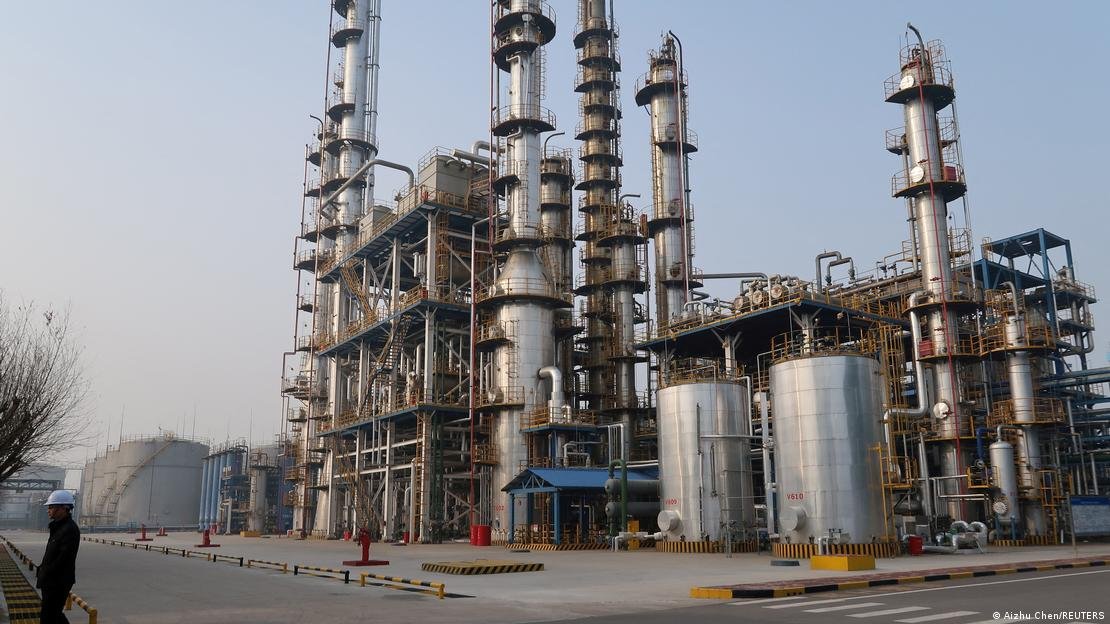
The challenge extends beyond availability alone. Mining represents only one stage of a much longer industrial chain that includes processing, refining, chemical conversion, component manufacturing and final industrial production. In several categories of critical minerals, global refining capacity is considerably more concentrated than mining itself. This creates strategic bottlenecks where relatively small disruptions can generate disproportionate consequences for downstream industries. Consequently, Europe’s objective cannot simply be increasing access to raw materials. It must also strengthen processing capacity, industrial integration and technological expertise across every stage of the value chain to reduce exposure to external shocks.
The strategic importance of critical minerals also reflects the changing relationship between economic security and national security. Defence industries increasingly compete with civilian manufacturers for access to the same raw materials. The batteries used in electric vehicles rely upon many of the same minerals required for autonomous military systems. Semiconductor technologies supporting artificial intelligence applications also underpin advanced military communications and intelligence platforms. Offshore wind turbines utilise rare earth magnets similar to those employed in naval propulsion and aerospace technologies. This convergence means that industrial policy, climate policy and defence policy are becoming progressively interconnected. Decisions affecting mineral supply chains now influence multiple sectors simultaneously, making resource governance a central element of comprehensive national security planning.
Another defining characteristic of the emerging minerals competition is the growing role of technological innovation. Europe cannot realistically achieve complete resource self-sufficiency through domestic mining alone. Instead, long-term resilience will depend upon developing advanced recycling technologies, improving material efficiency, investing in alternative battery chemistries, strengthening circular economy initiatives and expanding research into substitute materials capable of reducing dependence on scarce resources. Innovation therefore becomes a strategic instrument alongside trade policy and industrial investment. Countries capable of reducing material intensity through technological advancement will enjoy greater strategic flexibility while lowering exposure to geopolitical disruption.
Ultimately, critical minerals are reshaping the concept of strategic power itself. Military capability, technological leadership, industrial competitiveness and climate transition increasingly depend upon secure access to a relatively small group of highly specialised resources. Europe therefore confronts a strategic challenge extending well beyond resource management. It must develop an integrated approach combining industrial policy, international partnerships, technological innovation and economic security into a coherent framework capable of sustaining long-term strategic autonomy. In this emerging geopolitical landscape, control over critical minerals may prove as consequential to the balance of power as access to oil was during the previous century.
Europe’s Strategic Vulnerability: The Supply Chain Challenge
Europe’s dependence on global critical mineral supply chains represents one of the least visible yet most significant strategic vulnerabilities confronting the European Union. Unlike energy dependence, which became increasingly apparent during previous geopolitical crises, reliance on imported critical minerals developed gradually through decades of globalization, industrial specialization and market efficiency. European industries concentrated on advanced manufacturing, research and technological innovation while mining, refining and processing increasingly shifted to regions offering lower production costs and abundant natural resources. Although this model supported industrial competitiveness during periods of geopolitical stability, it has become considerably more fragile as international competition intensifies and supply chains become instruments of strategic influence.
The vulnerability does not stem solely from Europe’s limited domestic extraction of critical minerals. Rather, the greater challenge lies in the concentration of global processing and refining capacity. Mining operations may be geographically dispersed across several continents, yet the transformation of raw materials into industrial-grade products often depends upon a relatively small number of highly specialized facilities. This creates strategic bottlenecks capable of disrupting entire industrial sectors if political tensions, export restrictions, transportation disruptions or industrial accidents interrupt production. For Europe, securing access to raw materials without simultaneously strengthening refining and processing capacity provides only partial protection against future supply disruptions.
This structural dependence carries direct implications for Europe’s defence industrial ambitions. Modern military platforms require complex supply chains extending far beyond conventional steel production or mechanical engineering. Precision-guided missiles rely upon advanced electronic components manufactured using gallium and germanium. Radar systems, satellite communications, electronic warfare platforms and advanced sensors depend upon rare earth magnets and highly specialized semiconductors. Armoured vehicles increasingly incorporate sophisticated battery technologies, while naval platforms, aircraft and unmanned systems require lightweight alloys and advanced composite materials whose production depends upon reliable mineral supplies. Consequently, Europe’s ability to expand defence manufacturing is increasingly linked to the resilience of global resource supply chains rather than merely the availability of financial investment.
The challenge extends equally to Europe’s economic transformation. The European Green Deal, industrial decarbonisation, digital transition and advanced manufacturing strategies all depend upon sustained access to critical raw materials. Electric vehicle production requires substantial quantities of lithium, nickel and graphite. Offshore wind turbines depend upon permanent magnets manufactured from rare earth elements. Large-scale battery storage, hydrogen technologies, smart electricity grids and semiconductor production similarly require secure access to specialized minerals. The same materials supporting Europe’s climate transition are also essential for military modernisation, creating unprecedented competition among strategic sectors for limited resources. Industrial resilience and environmental transformation have therefore become mutually dependent objectives rather than separate policy agendas.
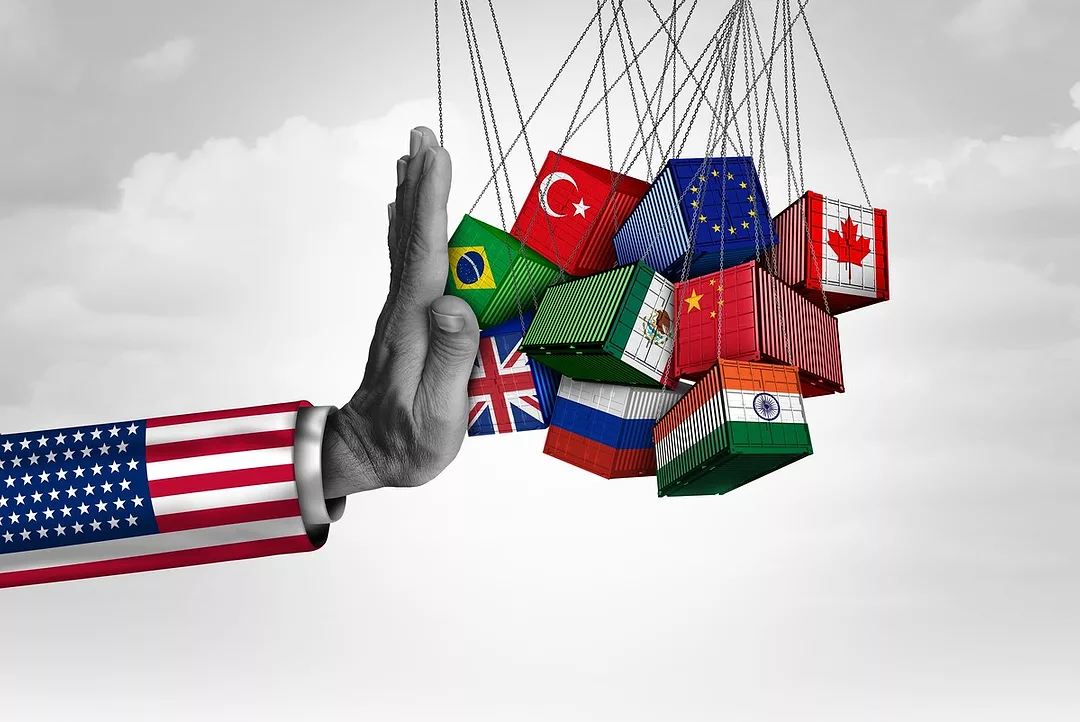
Geopolitical competition has further complicated this environment by encouraging governments to adopt increasingly interventionist industrial policies. Export controls, investment screening mechanisms, resource nationalism and strategic stockpiling are becoming more common as states seek to secure long-term access to critical materials. Such measures may strengthen national resilience individually but collectively contribute to a more fragmented global trading system. For Europe, which has traditionally championed open international markets, this evolution presents a strategic dilemma. Maintaining commitment to free trade while protecting essential industrial interests requires a more balanced approach that combines international cooperation with greater domestic resilience.
Another critical dimension concerns transportation and logistics. Critical minerals frequently travel through extended international supply chains involving maritime shipping, rail networks, processing facilities and manufacturing centres distributed across multiple regions. Disruptions affecting major maritime chokepoints, port infrastructure, container shipping or international logistics can therefore delay deliveries even when mineral production itself remains unaffected. The interconnected nature of these supply chains means that geopolitical instability occurring far beyond Europe can rapidly influence industrial production within the European Union. Supply-chain resilience must consequently address transportation security alongside extraction and processing capacity.
The private sector occupies a central role within this strategic landscape. Most mining companies, mineral processors, logistics providers and manufacturing firms operate according to commercial incentives rather than national security priorities. Governments therefore face the challenge of encouraging long-term investment in strategic sectors while preserving market competitiveness and regulatory certainty. Building resilient supply chains requires closer cooperation between public institutions and private industry through long-term contracts, investment incentives, research partnerships and coordinated industrial planning. Defence policy, industrial strategy and economic governance are becoming increasingly interconnected as governments seek to reduce vulnerabilities without undermining economic efficiency.
Europe’s response must also recognise that complete self-sufficiency remains neither realistic nor economically desirable. The objective should instead be strategic diversification. Reducing dependence upon any single supplier, expanding partnerships with reliable resource-producing countries, investing in domestic refining capabilities and strengthening recycling technologies collectively provide a more sustainable path towards resilience than attempting complete resource independence. Strategic autonomy should therefore be understood as the capacity to manage external dependencies rather than eliminate them entirely.
Ultimately, the security of Europe’s critical mineral supply chains will significantly influence the continent’s future geopolitical position. Industrial competitiveness, military preparedness, technological innovation and climate ambitions increasingly depend upon resources whose availability can no longer be taken for granted. Europe’s challenge is therefore not simply to secure access to minerals but to build an integrated resource strategy capable of supporting long-term economic resilience, strategic autonomy and sustainable industrial growth in an international environment characterised by growing geopolitical uncertainty.
Building a European Critical Minerals Strategy
Recognising the strategic importance of critical minerals is only the first step. The greater challenge for the European Union lies in transforming political awareness into a comprehensive long-term strategy capable of reducing structural vulnerabilities while strengthening industrial competitiveness. Unlike previous resource challenges, securing critical minerals cannot be achieved through a single policy initiative or by increasing imports from alternative suppliers alone. The complexity of modern supply chains requires an integrated approach combining industrial policy, trade diplomacy, technological innovation, environmental sustainability, defence planning and international partnerships. Europe’s future strategic autonomy will increasingly depend on its ability to coordinate these diverse policy areas within a coherent framework.
One of the most immediate priorities is expanding Europe’s domestic industrial capacity. Although the continent possesses significant geological potential for several critical minerals, mining projects have historically faced lengthy regulatory procedures, environmental concerns and limited investment incentives. Accelerating responsible domestic extraction does not imply abandoning Europe’s environmental commitments. Instead, it requires modern regulatory frameworks capable of balancing environmental protection with strategic necessity. Streamlined permitting procedures, greater investment certainty and stronger cooperation between national governments and European institutions will be essential if domestic production is to contribute meaningfully to long-term resource security.
However, mining alone cannot eliminate Europe’s strategic dependence. Processing and refining represent the most vulnerable stages of the critical minerals value chain, and these capabilities remain considerably more limited within Europe than downstream manufacturing. Establishing new refining facilities requires substantial capital investment, highly specialised technologies and long-term commercial viability. Public support therefore becomes increasingly important during the early stages of industrial development. Targeted financial instruments, public-private partnerships and coordinated industrial planning can help reduce commercial risks while encouraging private investment in strategic processing infrastructure. Without parallel expansion of refining capacity, increased domestic mining would continue to leave Europe dependent on external actors for higher-value industrial processes.
International partnerships will remain equally indispensable. Europe cannot realistically meet all of its future mineral requirements through domestic production, particularly as demand continues to expand across defence, digital technologies and clean energy industries. Consequently, strategic cooperation with resource-rich countries should become a central pillar of European foreign and trade policy. Such partnerships should extend beyond simple resource extraction agreements and instead promote sustainable mining practices, local industrial development, technology transfer and long-term investment cooperation. A mutually beneficial approach will enhance supply security while supporting economic development in partner countries, reducing the likelihood that mineral diplomacy becomes purely transactional or politically unstable.
Recycling and the circular economy must also become integral components of Europe’s critical minerals strategy. Significant quantities of valuable minerals remain embedded in discarded electronics, batteries, renewable energy equipment and industrial machinery. Recovering these materials through advanced recycling technologies offers an opportunity to reduce dependence on primary extraction while simultaneously supporting Europe’s environmental objectives. Although recycled materials alone cannot satisfy future demand, they can substantially improve supply resilience by creating secondary domestic sources of strategically important resources. Continued investment in recycling technologies, product design, material recovery systems and circular manufacturing processes will therefore contribute to both industrial competitiveness and strategic autonomy.
Technological innovation provides another avenue for reducing long-term vulnerability. Research into alternative battery chemistries, synthetic materials, advanced composites and more efficient manufacturing techniques may gradually decrease dependence on scarce minerals without compromising industrial performance. European universities, research institutions and technology companies are already contributing to advances in material science capable of reducing resource intensity across several industrial sectors. Supporting these innovation ecosystems through sustained research funding and closer collaboration between industry and academia will strengthen Europe’s ability to adapt to future resource constraints while maintaining technological leadership in strategic industries.
Defence planning should also become more closely integrated with resource governance. Military modernisation increasingly depends upon uninterrupted access to specialised materials supporting advanced weapons systems, aerospace technologies, communications equipment and electronic warfare capabilities. Defence procurement strategies should therefore incorporate long-term assessments of resource availability alongside traditional considerations such as cost, operational performance and delivery schedules. Strategic stockpiles of selected minerals, combined with coordinated procurement mechanisms across the European Union, could further strengthen resilience during periods of geopolitical disruption or prolonged international crisis.
Equally important is improving coordination among European institutions. Critical mineral policy currently intersects with industrial strategy, trade policy, environmental regulation, climate objectives, defence planning and external relations, yet these areas often operate through separate institutional frameworks. Developing a genuinely integrated European approach will require stronger coordination between the European Commission, member states, industry, financial institutions and research organisations. Strategic planning should address the entire value chain—from exploration and extraction to processing, manufacturing, recycling and technological innovation—rather than treating each component as an isolated policy challenge.
Ultimately, Europe’s critical minerals strategy should be understood not as a temporary response to current geopolitical tensions but as a long-term investment in strategic resilience. The global competition for advanced technologies, defence capabilities and industrial leadership is likely to intensify over the coming decades, placing increasing pressure on resource supply chains. Europe cannot afford to approach this competition reactively. Instead, it must develop an integrated resource policy capable of supporting economic growth, technological innovation and military preparedness simultaneously. Success will depend not only on securing access to critical minerals but on building a resilient industrial ecosystem that transforms these resources into lasting strategic advantage for the European Union.