Executive Summary
Europe’s electricity grid has become one of the continent’s most strategically important—and increasingly vulnerable—assets. Over the past decade, energy infrastructure has evolved beyond its traditional economic role to become a critical component of national security, military resilience and geopolitical stability. The combination of Russia’s war against Ukraine, repeated cyberattacks, sabotage against critical infrastructure, climate-induced extreme weather and the accelerating electrification of European economies has fundamentally altered how governments perceive the security of power networks.
The electricity system now underpins virtually every aspect of European society. Military bases, hospitals, transportation systems, financial markets, digital communications, defence industries, water treatment facilities and emergency services all depend upon uninterrupted electricity. Consequently, attacks against power infrastructure no longer represent merely economic disruption; they have become strategic operations capable of degrading national resilience without requiring conventional military confrontation.
This paper argues that Europe’s electricity grid has become the continent’s most vulnerable strategic asset because it sits at the intersection of military competition, technological transformation and climate change. Protecting Europe’s energy infrastructure therefore requires a comprehensive security strategy that combines cyber defence, physical protection, climate adaptation, industrial resilience and enhanced European coordination. The future of European security will increasingly depend not only on protecting borders but also on safeguarding the infrastructure that enables modern societies to function.
Introduction
For decades, Europe’s electricity networks were designed primarily around economic efficiency, market integration and reliable energy supply. Power grids connected national economies, facilitated industrial development and supported one of the world’s largest integrated electricity markets. Security considerations existed, but they generally focused on technical reliability, equipment maintenance and accident prevention rather than deliberate hostile action.
The strategic environment has changed dramatically.
Russia’s attacks against Ukraine’s electricity system demonstrated that power infrastructure has become a primary military target during modern conflict. Missile strikes, drone attacks and cyber operations were designed not only to interrupt electricity generation but also to weaken civilian morale, disrupt military logistics and undermine the functioning of the Ukrainian state. At the same time, Europe has witnessed growing concerns regarding cyberattacks against utilities, sabotage of energy infrastructure, disruption of submarine cables and increasing pressure on critical industrial facilities.
Simultaneously, climate change has introduced additional vulnerabilities. Record-breaking heatwaves, prolonged droughts, severe storms and flooding increasingly threaten electricity generation, transmission and distribution networks across Europe. The transition toward renewable energy and electrification has further increased dependence upon resilient grids capable of managing highly complex electricity flows.
This convergence of geopolitical competition, technological transformation and environmental risk has fundamentally altered the strategic importance of Europe’s electricity infrastructure.
Electricity is no longer simply an economic commodity.
It has become the foundation upon which Europe’s security, military readiness, digital economy and democratic resilience increasingly depend.
This paper examines why electricity infrastructure has become one of Europe’s most critical strategic assets, how modern threats are transforming infrastructure protection, and what policies are required to strengthen Europe’s energy resilience in an increasingly unstable international environment.
The Power Grid Has Become a Strategic Battlefield
For most of the post-Cold War period, electricity infrastructure was viewed primarily through an economic lens. Governments focused on improving efficiency, expanding cross-border electricity trade and integrating national markets into a unified European energy system. Security planning concentrated on preventing technical failures, natural disasters and occasional industrial accidents. Today, that perception has changed fundamentally. Europe’s electricity grid is increasingly regarded as critical national security infrastructure because modern societies cannot function without uninterrupted access to electricity. Every military installation, hospital, financial institution, communications network, transport system and industrial facility depends upon a stable power supply. Consequently, the protection of electricity infrastructure has become inseparable from the protection of the state itself.
Russia’s war against Ukraine fundamentally accelerated this shift in strategic thinking. Throughout the conflict, electricity generation plants, substations, transmission networks and energy storage facilities became primary military targets. Rather than seeking solely to destroy military forces on the battlefield, Russian strikes repeatedly targeted Ukraine’s electricity infrastructure with the objective of reducing industrial production, disrupting civilian life, weakening military logistics and undermining political resilience. The conflict demonstrated that disabling electricity systems can generate strategic effects comparable to those achieved through conventional military operations. Modern wars increasingly seek to paralyse societies rather than simply defeat armies.
Europe has drawn important lessons from this experience. Although no European Union member state has faced attacks comparable in scale to those experienced by Ukraine, governments increasingly recognise that their own electricity systems could become targets during future crises. The vulnerability extends beyond conventional missile attacks. Modern electricity infrastructure can be disrupted through cyber operations, sabotage, attacks against communication networks, interference with satellite navigation, insider threats and coordinated assaults on critical substations. The objective of such operations would not necessarily be to cause permanent destruction but rather to generate temporary disruption capable of creating political uncertainty, economic losses and public anxiety.
The strategic importance of the electricity grid has also expanded because Europe is becoming increasingly electrified. Electric vehicles, digital industries, cloud computing, artificial intelligence, advanced manufacturing and modern defence systems all depend upon continuous electricity supply. As fossil fuels are progressively replaced by electrified transport, heat pumps and renewable energy technologies, electricity becomes even more central to national resilience. This transformation means that future disruptions to power systems could affect substantially larger portions of the economy than similar incidents would have caused two decades ago. Electricity is evolving from one critical infrastructure sector into the infrastructure upon which almost every other strategic sector depends.
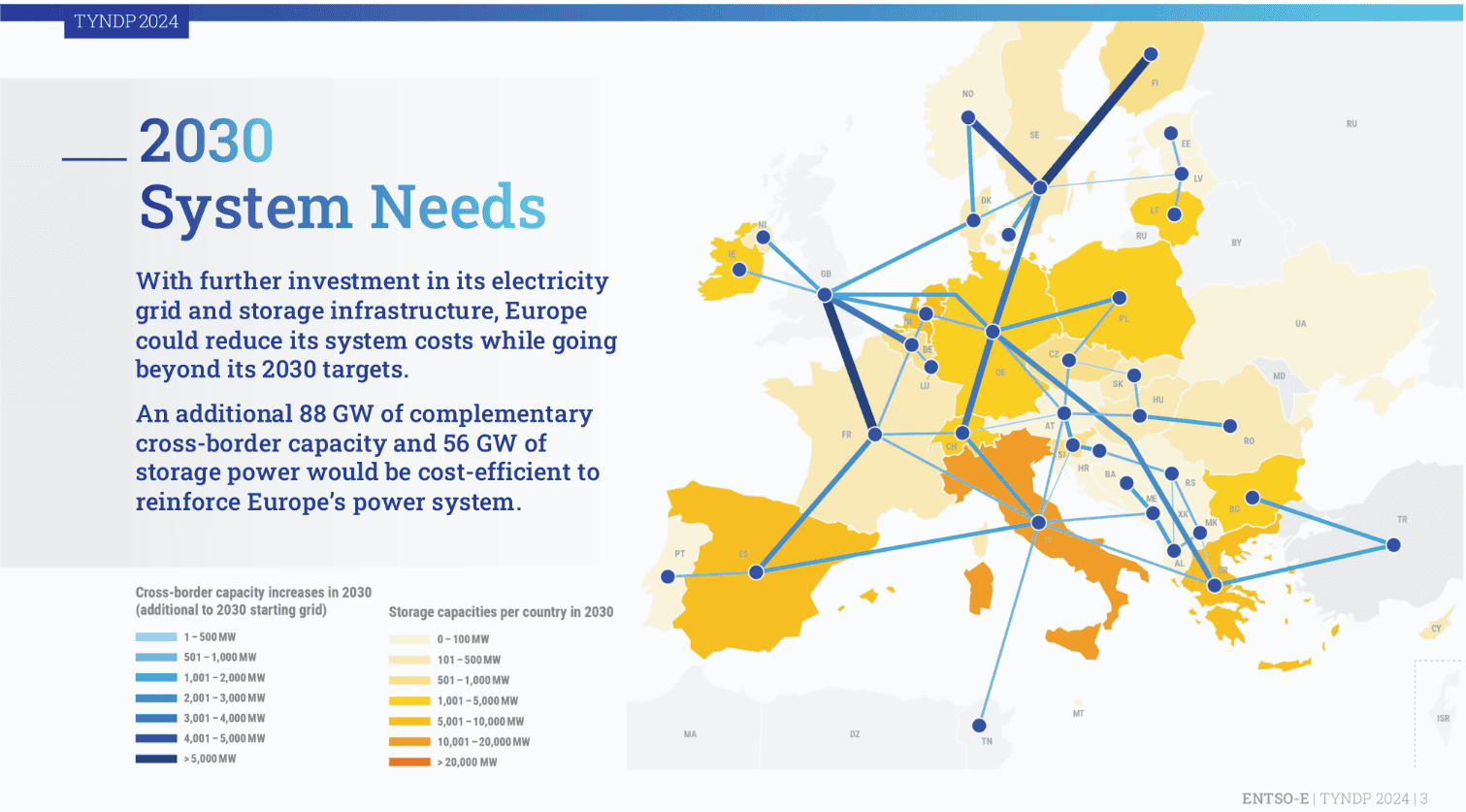
Interconnection, long regarded as one of Europe’s greatest strengths, has simultaneously become a source of strategic complexity. Cross-border electricity trade improves market efficiency, reduces costs and strengthens resilience during routine disruptions by allowing countries to support one another through interconnected transmission networks. However, highly integrated systems can also transmit instability across national borders. A major outage, cyberattack or infrastructure failure affecting one part of the European grid may influence electricity markets and operational stability throughout neighbouring countries. This interconnectedness requires governments to think beyond national infrastructure protection and develop coordinated European approaches capable of managing risks that increasingly transcend borders.
The growing digitalisation of electricity networks introduces another dimension of vulnerability. Modern power systems rely extensively on automated control systems, remote monitoring technologies, digital communications and advanced software capable of balancing electricity supply and demand in real time. These innovations improve operational efficiency but also expand the potential attack surface available to hostile actors. A successful cyber operation targeting supervisory control systems, data networks or grid management platforms could disrupt electricity distribution without physically damaging infrastructure. Consequently, cybersecurity has become as important to electricity resilience as traditional physical protection.
Climate change further complicates this strategic landscape. Extreme heat, prolonged droughts, severe storms, flooding and wildfires increasingly threaten electricity generation, transmission lines and substations across Europe. Heatwaves simultaneously increase electricity demand through widespread air-conditioning while reducing the efficiency of thermal generation and transmission infrastructure. Wildfires can damage transmission corridors, storms can destroy distribution networks and flooding can disable substations serving large urban areas. Unlike conventional security threats, these climate-driven risks occur simultaneously across multiple countries and often coincide with periods of peak electricity demand. The electricity grid must therefore be capable of resisting both deliberate attacks and increasingly frequent environmental shocks.
These overlapping pressures are transforming the concept of energy security. Traditional policy focused primarily on ensuring adequate fuel supplies and stable electricity prices. Today’s strategic environment requires a much broader understanding of resilience encompassing cyber defence, physical protection, climate adaptation, emergency response, industrial recovery and cross-border coordination. Energy security is no longer simply about generating sufficient electricity. It is about ensuring that electricity systems continue functioning despite deliberate attacks, technological failures or environmental disruption.
Ultimately, Europe’s electricity grid has become one of the continent’s most strategically valuable assets because it supports every other critical function of the modern state. The military depends upon electricity for command and control, logistics and communications. The economy depends upon it for manufacturing, finance and digital services. Society depends upon it for healthcare, water supply, transportation and emergency response. As geopolitical competition increasingly targets infrastructure rather than territory alone, protecting the electricity grid becomes equivalent to protecting Europe’s capacity to function during crisis. The power grid is no longer simply an engineering network—it has become one of the primary front lines of European security.
Cyber Warfare and the Digital Vulnerability of Europe’s Energy Infrastructure
While physical attacks on power stations and transmission lines remain a significant security concern, one of the most dangerous threats facing Europe’s electricity system is largely invisible. Modern power grids are no longer controlled exclusively through mechanical infrastructure. They rely on highly sophisticated digital networks, automated control systems, cloud-based monitoring platforms and interconnected communication technologies that manage electricity generation, transmission and distribution in real time. This digital transformation has dramatically improved operational efficiency, but it has also created new vulnerabilities that hostile actors can exploit without crossing national borders or deploying conventional military forces.
Cyberattacks against energy infrastructure have become an increasingly prominent feature of modern geopolitical competition. Unlike traditional military operations, cyber campaigns offer states and non-state actors the ability to disrupt critical services while maintaining a degree of plausible deniability. Malicious software can interfere with industrial control systems, manipulate operational data, disable communications between grid operators or temporarily interrupt electricity distribution without physically damaging infrastructure. Such attacks are particularly attractive because they can generate significant political and economic consequences while remaining below the threshold of conventional armed conflict.
Europe’s electricity system presents an especially attractive target because of its high level of digital integration. National transmission operators, regional distribution companies, electricity exchanges and cross-border interconnectors continuously exchange enormous volumes of operational data to balance electricity flows across the continent. Every second, automated systems adjust generation levels, monitor voltage stability, predict electricity demand and coordinate cross-border power transfers. Although this interconnected architecture strengthens market efficiency and improves resilience during routine disruptions, it also means that a cyber incident affecting one component of the network can rapidly influence wider parts of the European electricity system.
The growing deployment of smart grids further expands this digital landscape. Millions of smart meters, intelligent substations, automated switching systems and digitally connected renewable energy installations now form part of Europe’s electricity infrastructure. These technologies enable greater flexibility and improve the integration of wind and solar energy into national grids. However, they also increase the number of potential entry points available to cyber attackers. Every connected device represents a possible vulnerability if security standards are inconsistent or software is not updated regularly. Protecting the electricity grid therefore requires securing not only major power plants but also thousands of smaller digital assets distributed across national energy systems.
Artificial intelligence is beginning to influence both defensive and offensive cyber operations. Grid operators increasingly employ AI-powered monitoring systems capable of identifying unusual network behaviour, detecting cyber intrusions and responding automatically to technical anomalies before they develop into wider disruptions. At the same time, hostile actors are also adopting artificial intelligence to automate vulnerability detection, accelerate malware development and conduct increasingly sophisticated cyber reconnaissance. This technological competition is transforming cybersecurity into a continuous race between offensive innovation and defensive adaptation, where maintaining technological superiority becomes essential for protecting critical infrastructure.
The challenge is compounded by the growing convergence of cyber and physical threats. A coordinated operation could combine digital attacks against electricity control systems with physical sabotage targeting substations, communication facilities or transmission infrastructure. Simultaneous disruptions of this nature would significantly complicate emergency response by limiting the ability of operators to identify the source of failures and coordinate restoration efforts. Modern infrastructure protection must therefore integrate cybersecurity with conventional physical security rather than treating them as separate disciplines.
Another emerging vulnerability concerns the dependence of electricity systems on external digital services. Cloud computing platforms, satellite communications, software providers and specialised technology companies increasingly support essential grid operations. While these partnerships provide access to advanced technologies and improve operational performance, they also introduce supply-chain risks extending beyond the electricity sector itself. A cyberattack targeting a software supplier or cloud service provider may indirectly affect multiple electricity operators simultaneously, creating systemic risks that individual utilities cannot manage independently.
Europe has responded by strengthening cybersecurity legislation, expanding cooperation among national cyber agencies and increasing information sharing between governments and private infrastructure operators. Nevertheless, significant challenges remain. Electricity infrastructure is owned and operated by a diverse combination of public institutions, private companies and regional authorities, each possessing different technological capabilities and varying levels of cybersecurity maturity. Achieving consistent protection across such a complex landscape requires harmonised security standards, continuous investment in workforce training, regular cyber exercises and stronger coordination at the European level.
Human factors remain equally important. Many successful cyber incidents exploit human error rather than technological weakness. Phishing campaigns, compromised credentials, insider threats and inadequate security awareness continue to provide opportunities for attackers despite advances in digital protection technologies. Building cyber resilience therefore requires investment not only in software and hardware but also in education, institutional culture and professional training. The resilience of Europe’s electricity grid ultimately depends as much upon the people operating these systems as upon the technologies protecting them.
The strategic implications extend well beyond the energy sector. Electricity underpins financial services, telecommunications, healthcare, transportation, defence industries and government administration. A successful cyberattack against the power grid could therefore produce cascading disruptions across multiple sectors simultaneously, amplifying its political and economic consequences. Modern societies are increasingly interconnected through digital infrastructure, meaning that the failure of one essential service rapidly affects many others. Energy security, digital security and national security have become inseparable components of a single resilience framework.
Ultimately, Europe’s experience demonstrates that future conflicts may not begin with missiles or conventional military operations. They may begin with malicious code targeting the digital systems that keep electricity flowing. Protecting Europe’s power grid is therefore no longer solely an engineering challenge; it has become one of the continent’s most important cybersecurity priorities. In an era where hostile actors increasingly seek to weaken societies through disruption rather than direct confrontation, securing the digital foundations of Europe’s electricity infrastructure will be as critical to future security as protecting its physical borders.
Climate Change: The Emerging Threat to Europe’s Electricity Security
While geopolitical tensions and cyber threats dominate much of the current debate on infrastructure protection, climate change is rapidly becoming one of the most significant long-term challenges facing Europe’s electricity system. Unlike military or cyber threats, climate-related risks cannot be deterred through conventional security measures. Instead, they progressively weaken the physical foundations upon which electricity generation, transmission and distribution depend. Heatwaves, prolonged droughts, severe flooding, storms and wildfires are no longer isolated environmental events. They have become strategic risks capable of disrupting energy systems across multiple European countries simultaneously.
The summer of 2026 provided a clear illustration of this emerging reality. Record-breaking temperatures affected large parts of Southern, Central and Western Europe, placing unprecedented pressure on electricity systems. Demand for electricity increased sharply as households, hospitals, transport systems and businesses relied more heavily on air conditioning to cope with extreme heat. At the same time, several forms of electricity generation experienced declining efficiency precisely when demand was reaching seasonal peaks. Nuclear power plants operating along major rivers faced restrictions because high water temperatures reduced cooling capacity, while hydropower production declined in regions affected by persistent drought and low reservoir levels. Climate change therefore created a dual challenge by increasing electricity consumption while simultaneously limiting supply.
Transmission infrastructure has proven equally vulnerable. High temperatures reduce the efficiency of overhead transmission lines by increasing electrical resistance and causing conductors to expand and sag. This limits the amount of electricity that can safely be transported across national networks during periods of maximum demand. Substations and transformers also experience greater operational stress under prolonged heat, increasing maintenance requirements and the risk of equipment failure. In regions affected by wildfires, transmission corridors have become increasingly exposed to direct physical damage, while preventive electricity shutdowns are sometimes required to reduce the risk of infrastructure igniting surrounding vegetation. These developments demonstrate that climate change is affecting not only electricity generation but every component of the power system.
Flooding presents another growing challenge. Across several European countries, substations, underground cables and distribution facilities are located near rivers or coastal areas that are becoming increasingly vulnerable to extreme weather events. Floodwaters can disable critical electrical equipment, interrupt communications and delay repair operations for extended periods. Unlike isolated technical failures, climate-induced flooding may simultaneously affect transportation infrastructure, emergency services and telecommunications, making recovery considerably more complex. As climate models project more frequent extreme rainfall events across parts of Europe, protecting electricity infrastructure from flooding has become an increasingly important element of national resilience planning.
Renewable energy systems are also affected by changing climatic conditions, although in different ways. Wind generation can fluctuate significantly during prolonged periods of high atmospheric pressure, while drought reduces hydroelectric production and changing weather patterns influence solar generation across different seasons. Renewable energy remains central to Europe’s decarbonisation strategy, yet greater reliance on weather-dependent electricity generation requires stronger transmission networks, improved forecasting systems, expanded storage capacity and more flexible electricity markets capable of responding rapidly to changing environmental conditions. Climate adaptation must therefore accompany the energy transition if renewable systems are to deliver long-term resilience.
The interaction between climate change and geopolitical risk creates an even more complex security environment. Extreme weather may reduce electricity generation at the same time that hostile actors seek to exploit periods of heightened vulnerability through cyber operations or disinformation campaigns targeting public confidence in energy security. A power system already operating under climatic stress possesses less flexibility to absorb additional shocks resulting from deliberate attacks. Consequently, climate resilience and national security can no longer be treated as separate policy domains. They increasingly reinforce one another within a common strategic framework.
Europe’s electricity market further amplifies these dynamics because of its high level of integration. Electricity shortages affecting one member state frequently influence prices and electricity flows across neighbouring countries. During periods of widespread heatwaves, however, multiple countries may experience similar climatic pressures simultaneously, reducing the availability of surplus electricity that would normally support cross-border balancing. Climate change therefore challenges one of the principal strengths of the European electricity market: its capacity to redistribute electricity from regions experiencing lower demand or greater generation availability. As extreme weather becomes more geographically widespread, regional solidarity must increasingly be complemented by investments in additional system resilience.
Adapting to these emerging realities requires a fundamental shift in infrastructure planning. Future investments can no longer be based solely upon historical weather patterns that may no longer accurately represent future operating conditions. New power stations, transmission lines, substations and electricity storage facilities must increasingly be designed for climatic conditions expected over the coming decades rather than those observed during the previous century. Engineering standards, infrastructure location, cooling technologies, flood protection and emergency planning will all require continuous revision as climate risks intensify.
The financial implications are substantial. Climate adaptation demands significant investment in grid modernisation, resilient infrastructure, advanced monitoring technologies and emergency response capabilities. Nevertheless, the cost of adaptation is likely to remain considerably lower than the cumulative economic losses resulting from repeated large-scale electricity disruptions affecting industry, transport, healthcare and digital services. Protecting Europe’s electricity infrastructure should therefore be viewed not merely as an environmental obligation but as a strategic investment in long-term economic stability and national security.
Ultimately, climate change is redefining the concept of energy security across Europe. Reliable electricity supply can no longer be guaranteed solely through diversified fuel sources or increased generating capacity. It increasingly depends upon the resilience of infrastructure operating under more frequent and more severe environmental stress. The strategic challenge facing Europe is therefore broader than protecting the electricity grid against hostile actors. It must also ensure that the grid itself is capable of functioning in a climate that is becoming progressively hotter, more volatile and less predictable. In the decades ahead, the resilience of Europe’s power system will be determined as much by its ability to adapt to environmental transformation as by its ability to withstand conventional security threats.
From Infrastructure Protection to Strategic Energy Security
The evolving threat landscape demonstrates that protecting Europe’s electricity grid can no longer rely on traditional infrastructure management alone. The convergence of cyberattacks, physical sabotage, climate change, geopolitical competition and growing electricity demand requires a fundamentally different approach to energy security. Rather than responding to individual incidents as isolated technical failures, European governments must begin treating the electricity system as strategic infrastructure whose resilience directly influences national security, economic stability and military readiness. The objective is no longer simply restoring electricity after disruptions occur; it is ensuring that essential services continue functioning even while under sustained pressure.
The first priority is strengthening the physical resilience of critical infrastructure. Europe’s electricity system contains thousands of high-voltage substations, transmission corridors, control centres and power generation facilities that form the backbone of the continental grid. Many of these assets were designed primarily for operational efficiency rather than deliberate attack or prolonged climate stress. Future investment should therefore focus on reinforcing substations against physical sabotage, improving perimeter security, expanding surveillance systems and increasing redundancy across key transmission routes. Critical infrastructure must be capable of continuing operations even when individual components are damaged or temporarily disabled.
Equally important is accelerating the digital transformation of grid security. Modern electricity systems increasingly depend upon automated control platforms capable of balancing supply and demand across highly interconnected networks. Artificial intelligence offers significant opportunities to improve resilience by detecting abnormal network behaviour, identifying cyber intrusions in real time and supporting predictive maintenance before technical failures occur. However, these technological advances must be accompanied by stronger cybersecurity standards, continuous software updates, regular penetration testing and enhanced cooperation between energy operators and national cybersecurity agencies. The digital layer of Europe’s electricity system is becoming as strategically important as its physical infrastructure.
Cross-border coordination represents another essential pillar of future resilience. Europe’s integrated electricity market provides considerable economic and operational advantages, yet security responsibilities remain largely organised at the national level. During large-scale disruptions, fragmented national responses may reduce the effectiveness of regional crisis management. The European Union should therefore strengthen mechanisms allowing transmission system operators, emergency authorities and governments to coordinate more rapidly during simultaneous cyber incidents, extreme weather events or infrastructure failures. Shared contingency planning, common operational procedures and coordinated emergency exercises would significantly improve Europe’s collective ability to manage complex crises affecting multiple member states simultaneously.
Climate adaptation must also become a permanent component of energy infrastructure planning. Future electricity networks should be designed not only to withstand deliberate attacks but also increasingly severe environmental conditions. Transmission infrastructure should be upgraded to tolerate higher temperatures, substations relocated or protected in flood-prone regions, and generation facilities equipped with more resilient cooling technologies where appropriate. Climate resilience should become a mandatory consideration throughout the planning, financing and construction of all major energy infrastructure projects. Designing tomorrow’s electricity system according to yesterday’s climate assumptions would create long-term strategic vulnerabilities that become progressively more expensive to correct.
The transition toward decentralised energy systems provides additional opportunities to strengthen resilience. Historically, electricity generation relied heavily upon a limited number of large power stations supplying extensive transmission networks. Increasing deployment of distributed renewable generation, local battery storage, microgrids and community energy systems can reduce dependence on individual facilities while improving local resilience during emergencies. Properly integrated, decentralised systems allow parts of the electricity network to continue operating even if wider transmission infrastructure experiences disruption. Rather than replacing centralised generation entirely, distributed energy resources should complement it by providing additional operational flexibility and redundancy.
Strategic stockpiles should extend beyond conventional fuel reserves. Europe increasingly depends upon specialised transformers, high-voltage components, semiconductor devices and advanced electrical equipment that often require lengthy manufacturing times. Damage to a small number of critical components may therefore create prolonged recovery challenges if replacements are unavailable. Establishing coordinated European reserves of essential electrical equipment would accelerate infrastructure restoration following major incidents while reducing dependence on complex international supply chains during periods of geopolitical tension.
The private sector will remain central to any comprehensive resilience strategy. Much of Europe’s electricity infrastructure is owned or operated by private companies whose investment decisions are primarily driven by commercial considerations. Governments therefore need regulatory frameworks that encourage long-term resilience investments without undermining market competitiveness. Public-private partnerships, targeted financial incentives and predictable regulatory environments can help ensure that infrastructure operators integrate security considerations into long-term investment planning rather than treating resilience as an additional operational cost.
International cooperation will also remain indispensable. Cyber threats, supply-chain disruptions and climate-related risks frequently originate beyond European borders and cannot be addressed through national policies alone. Cooperation with NATO, neighbouring countries and trusted international partners should therefore encompass cybersecurity, critical infrastructure protection, intelligence sharing and joint crisis response mechanisms. As Europe’s electricity system becomes increasingly interconnected with wider global technological and industrial networks, protecting infrastructure requires cooperation extending well beyond the European Union itself.
Ultimately, Europe’s electricity grid must be understood as more than a collection of cables, substations and power stations. It represents the operational foundation of modern society. Military readiness, healthcare systems, financial markets, digital communications, industrial production, water supply and emergency response all depend upon reliable electricity. Any prolonged disruption would therefore generate cascading consequences across every sector of the economy and government. The strategic importance of electricity infrastructure will continue to grow as Europe advances its digital transformation, electrifies transport and industry, and expands artificial intelligence technologies requiring secure and uninterrupted power supplies.
The central lesson emerging from recent crises is clear: future conflicts may target infrastructure before they target territory. The resilience of Europe’s electricity grid will increasingly determine the resilience of Europe itself. Protecting the continent’s power system is therefore no longer solely an engineering challenge or an energy policy objective. It has become one of the defining strategic priorities for European security in the twenty-first century.