The European Centre for Strategic Studies and Policy (ECSAP)
The U.S.–Iran war has forced Europe to confront a strategic reality it had repeatedly postponed: instability in the Middle East is not a distant regional problem but a direct test of European energy security, military readiness, economic resilience and diplomatic influence. The disruption of the Strait of Hormuz, attacks on regional energy and maritime infrastructure, missile threats extending beyond the Gulf, and the widening of hostilities into the Red Sea have demonstrated that Europe’s security environment can be transformed by conflicts occurring far beyond its borders. The European Union formally warned at the beginning of the escalation that disruption to critical waterways such as Hormuz would have consequences for the Middle East, Europe and the global economy. Subsequent developments confirmed that assessment.
This paper argues that the war is reshaping European strategy across five interconnected areas. First, it has exposed the continuing vulnerability of Europe’s energy system to disruptions in global oil and gas markets. Second, it has accelerated European interest in integrated air and missile defence, counter-drone capabilities and protection against long-range precision weapons. Third, it has demonstrated that maritime chokepoints in the Gulf, Red Sea and eastern Mediterranean form part of Europe’s strategic perimeter. Fourth, it has intensified the need for greater European military capacity at a time when the United States is reassessing parts of its force posture on the continent. Finally, it has highlighted Europe’s limited ability to shape major security crises when diplomatic influence is not backed by operational capacity.
Europe’s challenge is not to reproduce American military power or to disengage from the transatlantic alliance. It is to develop the capacity to protect its citizens, economies and strategic interests when American priorities are divided between several theatres. The U.S.–Iran war therefore represents more than another Middle Eastern conflict. It is becoming a catalyst for a broader European shift from crisis response towards strategic preparedness.
A Regional War with European Consequences
The conflict has demonstrated how rapidly military escalation in the Gulf can generate direct consequences for European societies. Europe does not need to be attacked territorially for its security to be affected. A closure or severe disruption of the Strait of Hormuz immediately influences global oil and liquefied natural gas markets, while instability in the Red Sea threatens the shipping routes connecting European ports to Asian manufacturing centres. Attacks on energy terminals, commercial vessels or port infrastructure can raise transport and insurance costs, weaken industrial competitiveness and intensify inflation across the European Union. The European Commission described the prolonged closure of Hormuz as deeply damaging, noting that the consequences were quickly felt by ordinary citizens through energy prices and broader economic disruption.
The war has therefore reinforced the idea that economic security is inseparable from military security. Europe’s factories, transport networks, food systems and public services rely on energy and commercial flows that pass through regions vulnerable to conflict. Although the Union substantially diversified away from Russian fossil fuels after 2022, this diversification created new dependencies on international liquefied natural gas markets and maritime supply routes. The resulting system is more diversified geographically but remains exposed to disruption at global chokepoints. The Iran war has shown that replacing dependence on one supplier does not automatically eliminate strategic vulnerability; it may simply redistribute that vulnerability across shipping lanes, terminals and international markets.
The immediate energy shock has also complicated Europe’s climate and industrial strategies. High oil and gas prices increase production costs for chemicals, steel, transport, fertilisers and other energy-intensive sectors. European policymakers were already concerned that high energy costs were weakening industrial competitiveness, and the war intensified those pressures. The European Commission responded with measures including coordinated storage planning and possible tax reductions, while avoiding some of the more interventionist policies used during the 2022 energy crisis.
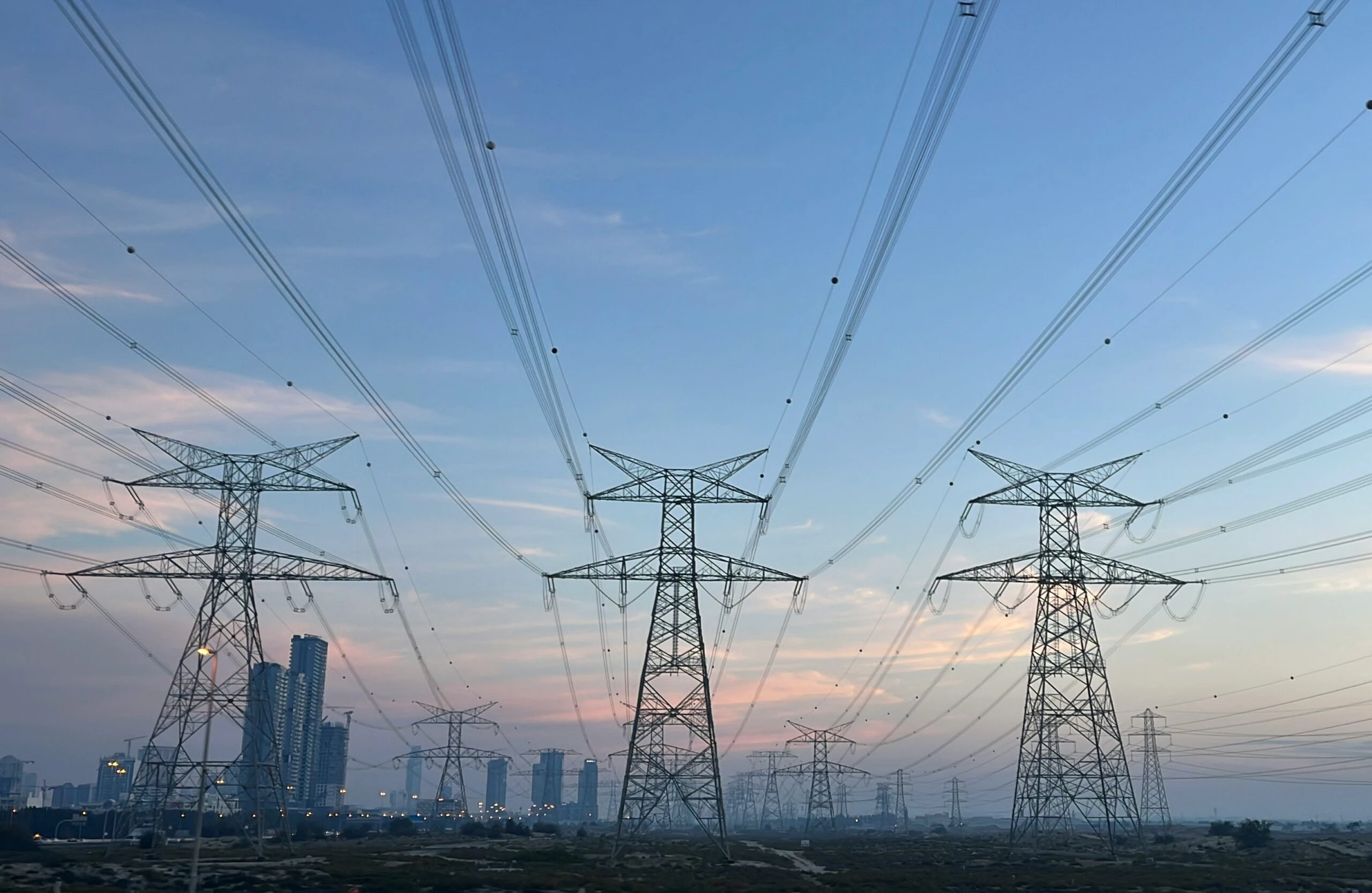
This creates a difficult strategic balance. Europe must protect consumers and industry during an immediate crisis without locking itself into long-term fossil-fuel dependence. The conflict has strengthened arguments for diversified gas infrastructure and emergency reserves, but it has also reinforced the strategic case for electrification, renewable generation, nuclear energy and stronger European grids. Energy transition is increasingly being understood not only as a climate policy but as a means of reducing exposure to geopolitical coercion and external supply shocks.
The Missile and Drone Lesson
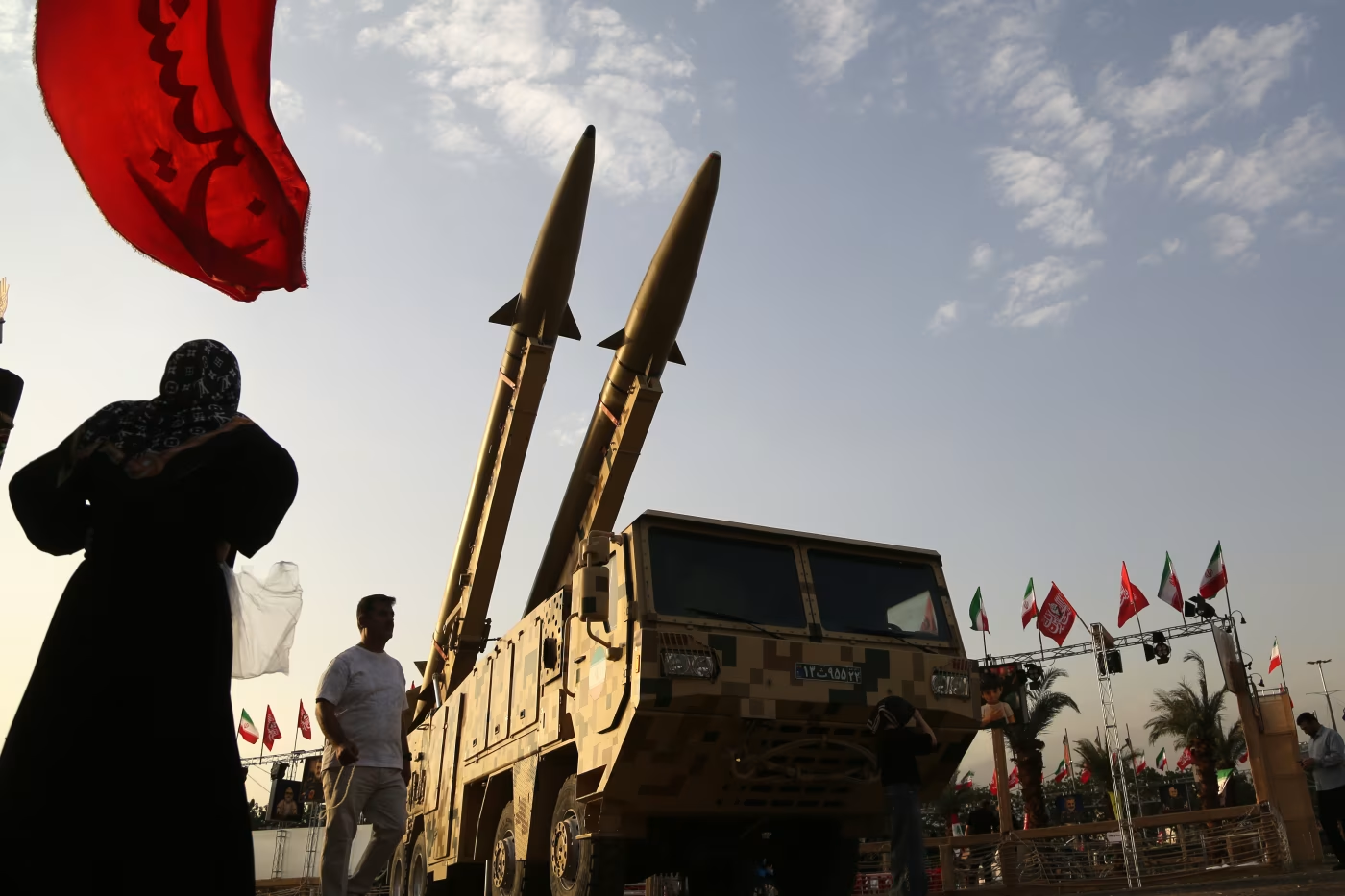
The military dimension of the war has produced equally important lessons. Iran’s use of ballistic missiles, cruise missiles and unmanned systems has demonstrated how inexpensive or relatively abundant offensive weapons can place sustained pressure on much more expensive defensive systems. Even when missiles and drones are intercepted successfully, the defender may be forced to consume costly interceptors, disperse air-defence assets and maintain a continuous state of alert. This economic and operational imbalance is highly relevant to Europe, particularly as it confronts missile, drone and hybrid threats on both its eastern and southern strategic approaches.
NATO has stated that Iranian missile capabilities represent a threat to Allied interests, and the Alliance reported that its systems successfully identified, tracked and intercepted an Iranian ballistic missile during the conflict. The 2026 NATO summit subsequently placed integrated air and missile defence, unmanned systems, long-range precision capabilities and intelligence technologies among the areas receiving major procurement commitments.
For Europe, the lesson is that fragmented national air-defence systems are no longer sufficient. Missile warning, radar coverage, command-and-control networks and interceptor inventories must function across borders. A missile approaching southeastern Europe may need to be detected by one Ally, tracked through another’s airspace and intercepted by a system operated by a third. The effectiveness of such defence depends on integration, data sharing and common procedures rather than national ownership alone.
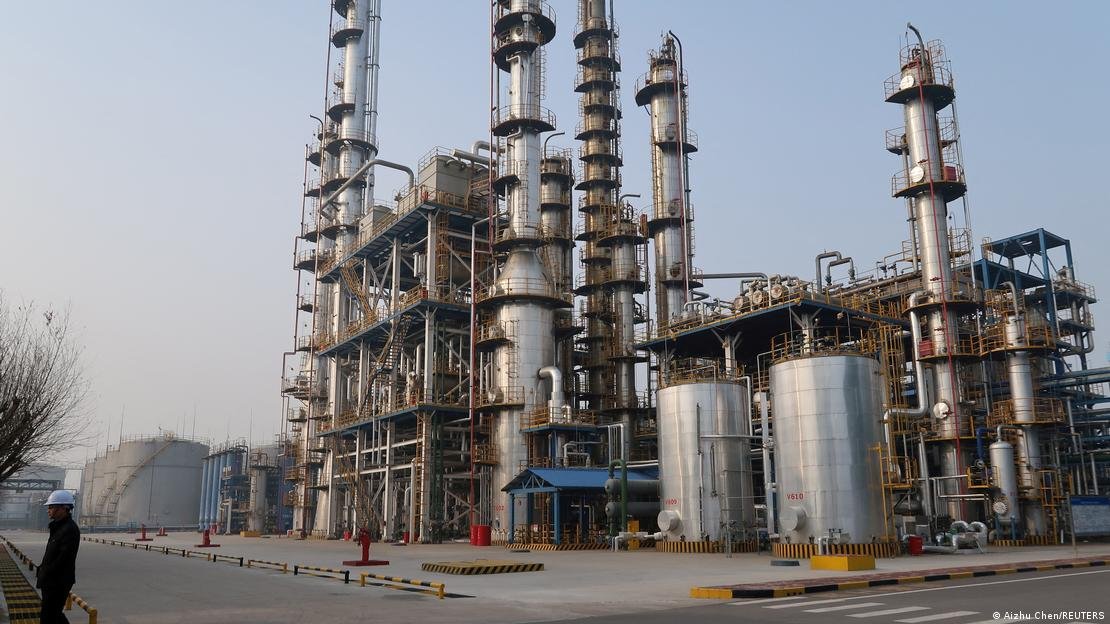
The war has also highlighted the importance of defending civilian infrastructure. Energy installations, ports, airports, communication centres and industrial facilities increasingly appear within the target sets of modern conflicts. European air and missile defence planning has traditionally prioritised military bases, command centres and population areas. The Iran conflict suggests that future European defence plans must also address the protection of refineries, LNG terminals, electrical networks, major ports and other economic assets whose destruction could produce strategic effects far beyond the immediate physical damage.
This will require difficult choices. Europe does not possess enough interceptors to protect every potential target continuously. It must therefore combine active defence with dispersal, redundancy, hardened infrastructure, rapid repair capacity and civil preparedness. Strategic resilience cannot be achieved by attempting to intercept every incoming weapon. It also depends on ensuring that essential systems continue operating after an attack.
Hormuz and the Red Sea as Europe’s Strategic Perimeter
The war has transformed European perceptions of maritime security. For decades, security in the Persian Gulf and Red Sea was treated primarily as an American-led responsibility supported by selected European naval contributions. That assumption is becoming less sustainable. The economic consequences of maritime disruption fall heavily on Europe, while American military resources are increasingly divided among Europe, the Middle East and the Indo-Pacific.
The Strait of Hormuz remains the most visible vulnerability. Iran has used pressure on commercial navigation as an instrument of strategic leverage, seeking to increase the economic costs of American military action and influence the calculations of Washington’s partners. By August 2026, the waterway remained severely disrupted, while attacks on vessels and disagreements over navigation continued despite renewed mediation.
At the same time, instability has spread beyond Hormuz. Houthi operations and attacks affecting the Red Sea have threatened an additional corridor linking Europe to Asia. A drone strike at Egypt’s Damietta port near the Suez Canal illustrated how the war could place pressure on maritime infrastructure beyond the immediate Gulf theatre.
For Europe, the danger lies in simultaneous disruption. If Hormuz, Bab el-Mandeb and the Suez route become insecure at the same time, energy exporters and shipping companies lose several of their most important alternatives. Vessels may be forced around the Cape of Good Hope, increasing voyage times, fuel use and freight costs. European naval forces may then be required to monitor or protect multiple corridors while continuing missions in the Mediterranean, Baltic Sea and North Atlantic.
This reality is pushing maritime security towards the centre of European strategy. Europe requires stronger maritime-domain awareness, better coordination with commercial operators and insurers, larger stocks of naval air-defence weapons, and more persistent surveillance using satellites, aircraft and unmanned platforms. It also needs contingency planning for extended disruptions rather than short-lived crises. The strategic objective cannot be limited to reopening a route after an attack. It must include maintaining commercial confidence during prolonged instability.
A Test of Transatlantic Burden Sharing
The U.S.–Iran war has also affected the balance of responsibilities within NATO. Washington’s military engagement in the Middle East inevitably competes with its commitments in Europe and the Indo-Pacific. European governments can no longer assume that every major crisis will be managed by an unlimited concentration of American military power. This concern has intensified as the United States has reviewed its European military presence and announced troop adjustments, including a planned reduction in Germany.
The central issue is not an imminent American withdrawal from NATO but the growing competition for American capabilities. Strategic airlift, aerial refuelling, missile defence, intelligence platforms, precision weapons and naval assets are all finite. A prolonged Middle Eastern conflict can reduce the forces available for European contingency plans, even when Washington remains politically committed to the Alliance.
Europe must therefore strengthen the capabilities that allow it to carry a greater share of regional defence. The Iran war has reinforced the importance of missile defence, long-range strike systems, munitions production, naval protection, intelligence and logistical capacity. These are the same capabilities required to deter Russia and support Ukraine. The challenge is that European states must expand them while managing limited budgets, industrial bottlenecks and competing national priorities.
This overlap makes defence-industrial capacity especially important. Interceptors used in one theatre cannot be used in another. European security therefore depends on the ability to produce weapons and replenish stocks at the scale required by simultaneous crises. Procurement announcements are necessary, but production speed, supply-chain resilience and common standards will determine whether those commitments translate into lasting military power.
Europe’s Diplomatic Weakness
The conflict has exposed a political problem as well as a military one. European governments possess significant economic influence, diplomatic networks and historical engagement with Iran, yet they have struggled to shape the central decisions of the war. The European Union has called for restraint, protection of international navigation, renewed nuclear cooperation and full engagement with the International Atomic Energy Agency. It has also maintained dialogue with Gulf partners and discussed regional security through EU–Gulf mechanisms.
These efforts are valuable, but the war has demonstrated the limitations of diplomacy that is not supported by leverage. Europe is affected by the consequences of escalation but is not always central to decisions regarding military action, ceasefires or the terms of negotiation. This weakens the Union’s ability to protect its interests and can leave European states reacting to decisions made in Washington, Tehran or regional capitals.
Greater European strategic capacity would not guarantee diplomatic success, but it would strengthen European credibility. States and institutions are more influential when they can contribute meaningfully to maritime security, missile defence, sanctions implementation, crisis mediation and post-conflict arrangements. Europe’s challenge is therefore to connect its diplomatic ambitions to operational capabilities.
The conflict has also complicated Europe’s commitment to international law and multilateral governance. Some European policymakers have supported efforts to prevent Iran from acquiring nuclear weapons while expressing concern about the legal and political consequences of military escalation. These tensions are not easily resolved. They reflect the broader difficulty of reconciling non-proliferation, alliance solidarity and support for a rules-based order in situations where diplomatic institutions have failed to prevent war.
Towards a New European Security Strategy
The U.S.–Iran war suggests that Europe’s future security strategy must be broader than territorial defence. Russia will remain the most immediate military threat to the continent, but European resilience also depends on events in the Middle East, North Africa, the Red Sea and global energy markets. Strategic planning must therefore address interconnected theatres rather than treating each crisis separately.
First, Europe should accelerate the development of an integrated air and missile-defence architecture. This requires common warning systems, interoperable command structures, shared procurement and much larger interceptor inventories. Short-range counter-drone systems must be combined with medium- and long-range missile defences to prevent expensive interceptors from being used against low-cost threats.
Second, the European Union should treat maritime security as a permanent strategic mission. Naval operations in the Red Sea and Gulf should be linked to intelligence cooperation, commercial risk monitoring and economic contingency planning. Cooperation with Gulf and regional states should focus on freedom of navigation, protection of civilian shipping and incident prevention.
Third, energy policy must become a central component of security planning. Strategic reserves, diversified imports and emergency infrastructure remain necessary, but long-term resilience will depend on reducing exposure to imported fossil-fuel volatility. Grid investment, domestic low-carbon production, storage capacity and cross-border energy integration should be treated as security investments.
Fourth, European governments must increase defence production capacity. The requirement is not simply higher expenditure, but factories capable of manufacturing missiles, drones, naval systems, sensors and ammunition continuously. Joint procurement and long-term contracts can provide industry with the predictability needed to expand production.
Finally, Europe needs a more coherent diplomatic strategy towards Iran and the wider Gulf. Engagement should combine non-proliferation, maritime security, sanctions policy and regional crisis management rather than addressing these issues through separate diplomatic channels. Europe’s role should not be limited to supporting negotiations initiated by others. It should develop proposals, technical mechanisms and security arrangements that reflect specifically European interests.
Strategic Outlook
The U.S.–Iran war is likely to have a lasting impact on European strategy even after active hostilities decline. It has exposed vulnerabilities that cannot be resolved through temporary emergency measures. Energy markets will continue to price geopolitical risk, shipping companies will remain cautious around contested waterways, and governments will reassess the adequacy of missile defence and strategic reserves. The conflict has also demonstrated that military crises outside Europe can directly weaken European industrial competitiveness and divert Allied resources away from the continent.
The most important lesson is that strategic autonomy does not mean separation from the United States. It means ensuring that Europe can protect essential interests when American forces are committed elsewhere or when European and American priorities are not identical. A stronger European pillar would reinforce NATO by reducing the burden on Washington and allowing the Alliance to manage simultaneous threats more effectively.
Europe’s response to the war will therefore be measured not by the number of emergency statements issued during the crisis, but by whether it translates the experience into lasting capability. Integrated missile defence, secure maritime corridors, resilient energy systems, expanded defence production and more credible diplomacy are no longer optional ambitions. They are becoming the essential components of European security in an age when conflicts thousands of kilometres away can rapidly reshape the continent’s economic and strategic environment.
The war has shown that Europe’s security frontier does not end at its territorial borders. It extends through the Gulf, the Red Sea, global energy markets, digital infrastructure and maritime supply chains. Europe must now build a strategy that reflects that reality.