European Centre for Strategic Studies and Policy (ECSAP)
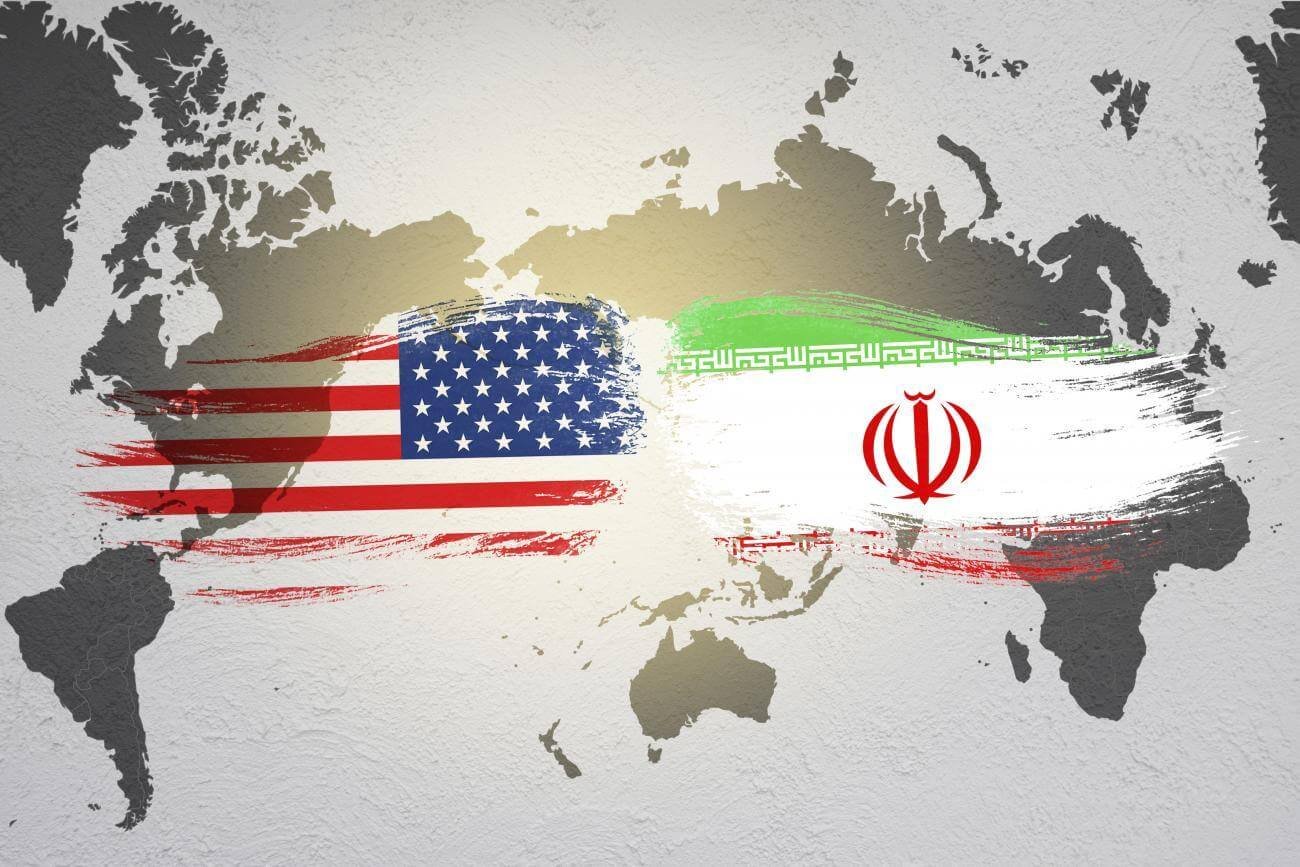
U.S.–Iran relations have entered a high-volatility phase in early February 2026, characterized by simultaneous signals of renewed diplomacy and heightened military posturing. Recent reporting indicates both sides are “examining” or “seriously” considering negotiations while a U.S. naval buildup near Iran and Iranian warnings of region-wide escalation amplify the risk of miscalculation.
Three dynamics define the present moment:
- Nuclear acceleration and verification erosion: IAEA reporting through 2025 documents a large and growing enriched uranium stockpile and persistent verification challenges, increasing uncertainty about timelines and intentions.
- Sanctions entrenchment with persistent oil revenue: Despite U.S. “maximum pressure” tools and enforcement guidance, Iran continues exporting significant volumes—primarily to Asia—providing strategic fiscal resilience.
- Regional deterrence contest: The Israel–Iran confrontation has become more direct, and the energy-security consequences of escalation—especially around the Strait of Hormuz—create immediate European economic exposure.
For Europe, the policy space is narrowing: balancing non-proliferation, regional stability, human-rights considerations, maritime security, and transatlantic cohesion is increasingly difficult as UN- and EU-adjacent pressure tools return to the center of the crisis.
1) Strategic Context: From “Managed Hostility” to Acute Escalation
For decades, the U.S.–Iran relationship has oscillated between coercive pressure and limited engagement. The post-2018 period saw intensified sanctions and repeated regional incidents; however, the 2024–2026 arc is distinct because it combines:
- Higher enrichment and larger stockpiles, alongside reduced monitoring cooperation, increasing the probability of rapid nuclear “breakout” decisions or perceived breakout.
- More frequent direct Iran–Israel confrontation, raising the risk that any U.S.–Iran episode quickly becomes a multi-front regional crisis.
- Higher energy-market sensitivity, with oil price responses reflecting both geopolitical risk and a global supply-demand context where shocks can propagate quickly through shipping chokepoints.
In early February 2026, reporting from Reuters indicates Iran’s foreign ministry spokesperson said Tehran is examining diplomatic avenues and “hopes for results in coming days.” Meanwhile, public statements and reporting suggest Washington is simultaneously pursuing pressure and signaling openness to talks, a combination that historically increases the risk of mixed messages and misinterpretation.
2) The Nuclear File: Verification Gaps and the Growth of Strategic Uncertainty
2.1 IAEA reporting and stockpile growth
The International Atomic Energy Agency’s quarterly reporting in 2025 indicates substantial quantities of enriched uranium and highlights persistent monitoring/verification challenges. One IAEA report (September 2025) states Iran’s total enriched uranium stockpile at 9,874.9 kg as of mid-August 2025, an increase over the previous report.
Earlier IAEA reporting (May 2025) also addresses uranium enriched to 60% U-235 and related monitoring issues. These figures are frequently treated by analysts and policymakers as indicators of latent capability—especially when combined with limitations on inspector access and reduced transparency.
Why this matters strategically:
Even if intentions remain ambiguous, larger stockpiles and higher enrichment levels compress decision timelines for all parties, increasing “use-it-or-lose-it” thinking during crises and raising the salience of preemption narratives.
2.2 U.S. policy framing: “not currently building,” but capable quickly
A U.S. Congressional Research Service report summarizes the U.S. intelligence community position: Iran is assessed notto be “currently undertaking nuclear weapons-related activities,” while also noting Iran’s capacity to enrich enough material for multiple weapons “within weeks” if it chose to do so.
A concise quote reflecting the core risk framing (CRS) is that Iran “could enrich enough uranium for more than a dozen nuclear weapons within weeks” if it decided to proceed.
(Quote length kept short to comply.)
2.3 The diplomacy/force feedback loop
Recent reporting suggests renewed negotiation talk under the current U.S. administration, with intermediaries in the region. Yet talks—real or exploratory—operate under the shadow of potential strikes and counter-strikes. The result is a familiar but dangerous pattern: each side negotiates while also trying to improve its leverage through pressure, which can easily spill into escalation.
3) Sanctions, Revenue, and the Reality of “Maximum Pressure”
3.1 What the U.S. is doing: broad sanctions architecture and targeted enforcement
The U.S. sanctions framework against Iran is extensive and multi-layered (primary and secondary sanctions; designations related to missiles, UAVs, maritime networks, and proliferation). U.S. Treasury’s OFAC maintains a dedicated Iran sanctions program page and regularly issues guidance and advisories.
OFAC’s advisories include detailed guidance for shipping and maritime stakeholders on detecting and mitigating Iranian oil sanctions evasion (April 2025). The U.S. State Department also announces sanctions actions tied to missile and UAV programs and oil trade networks.
3.2 But Iran still exports: oil flows and strategic resilience
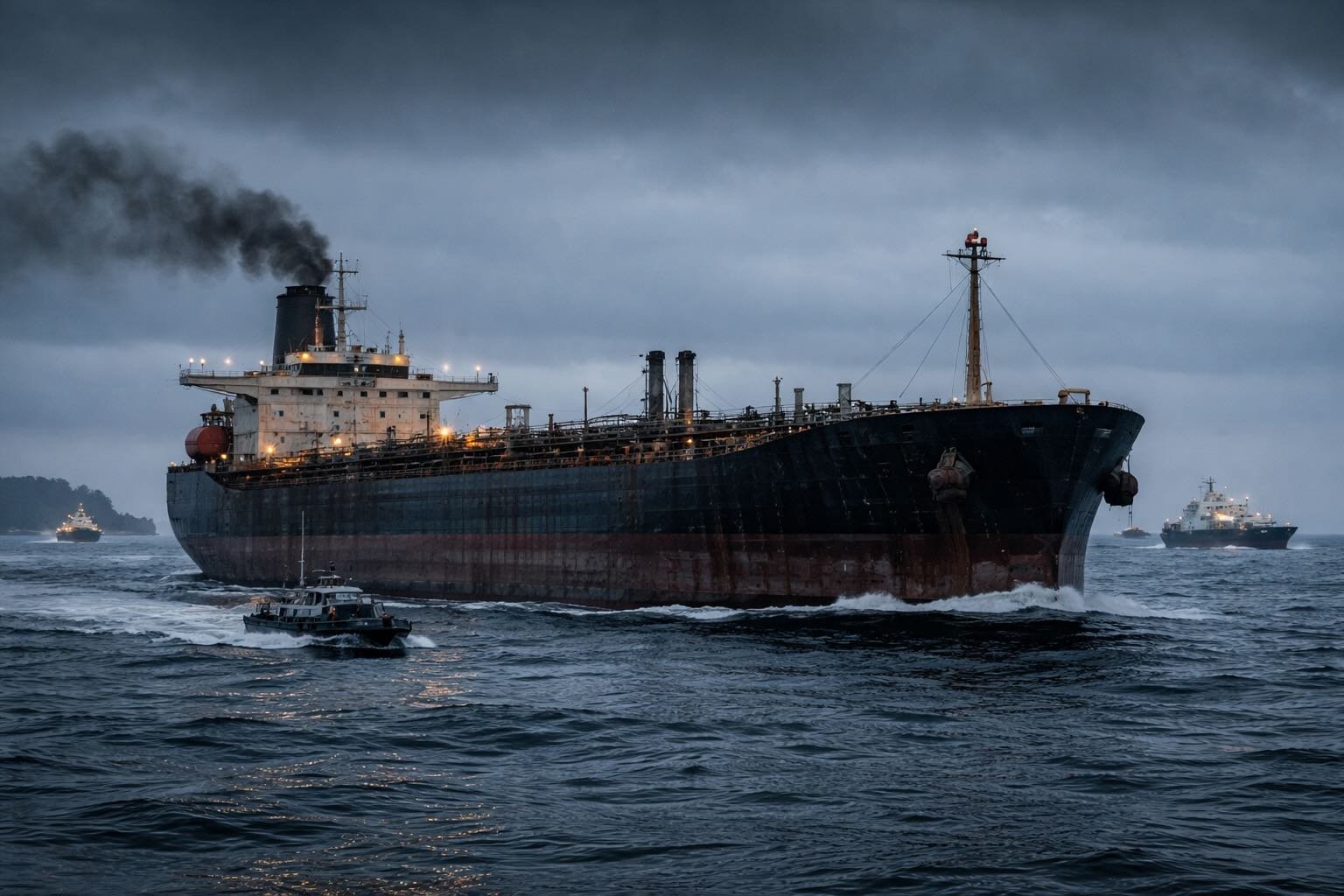
Despite sanctions, multiple sources in 2025–2026 point to continued Iranian oil exports at substantial levels—often routed through complex maritime practices and sold mainly into Asia.
- A tanker-tracking summary estimates December 2025 exports at 1.56 million barrels/day (approx.) and a 2025total export value of $45.7 billion.
- A Reuters analysis notes Iran accounts for about 3% of global crude output, framing the market impact of any disruption.
Important caveat for publication: tanker-tracking estimates can vary by methodology. For ECSAP standards, you may want to triangulate with additional commercial datasets (e.g., Kpler/Vortexa) before finalizing numbers for a policy brief.
3.3 Strategic implications
Continued export revenue means sanctions pressure is real but not determinative. It sustains Iran’s ability to fund state functions and maintain a baseline of regional capability. Meanwhile, sanctions remain a bargaining chip in negotiations but also a trigger for escalation if enforcement hits critical nodes.
4) The Regional War System: Direct Iran–Israel Confrontation and U.S. Exposure
The Council on Foreign Relations’ conflict tracker describes a deteriorating regional environment where Iran launched a large ballistic missile salvo against Israel in October 2024, followed by major Israeli actions targeting Iranian military capabilities.
A CRS brief notes that on June 13, 2025, Israel began a major military operation against Iran including airstrikes and reported covert action, a development that contributed to broader regional tension.
These dynamics matter for U.S.–Iran relations because U.S. policy is tightly coupled to Israel’s threat perceptions and to U.S. force posture protecting personnel and bases across the Gulf and Iraq/Syria. In early 2026, reporting indicates Gulf allies remain concerned about Iranian missile capabilities despite damage in conflict episodes, reinforcing the logic of deterrence and counter-deterrence cycles.
5) The Chokepoint Factor: Hormuz and Europe’s Immediate Energy Vulnerability
5.1 Hormuz scale of risk
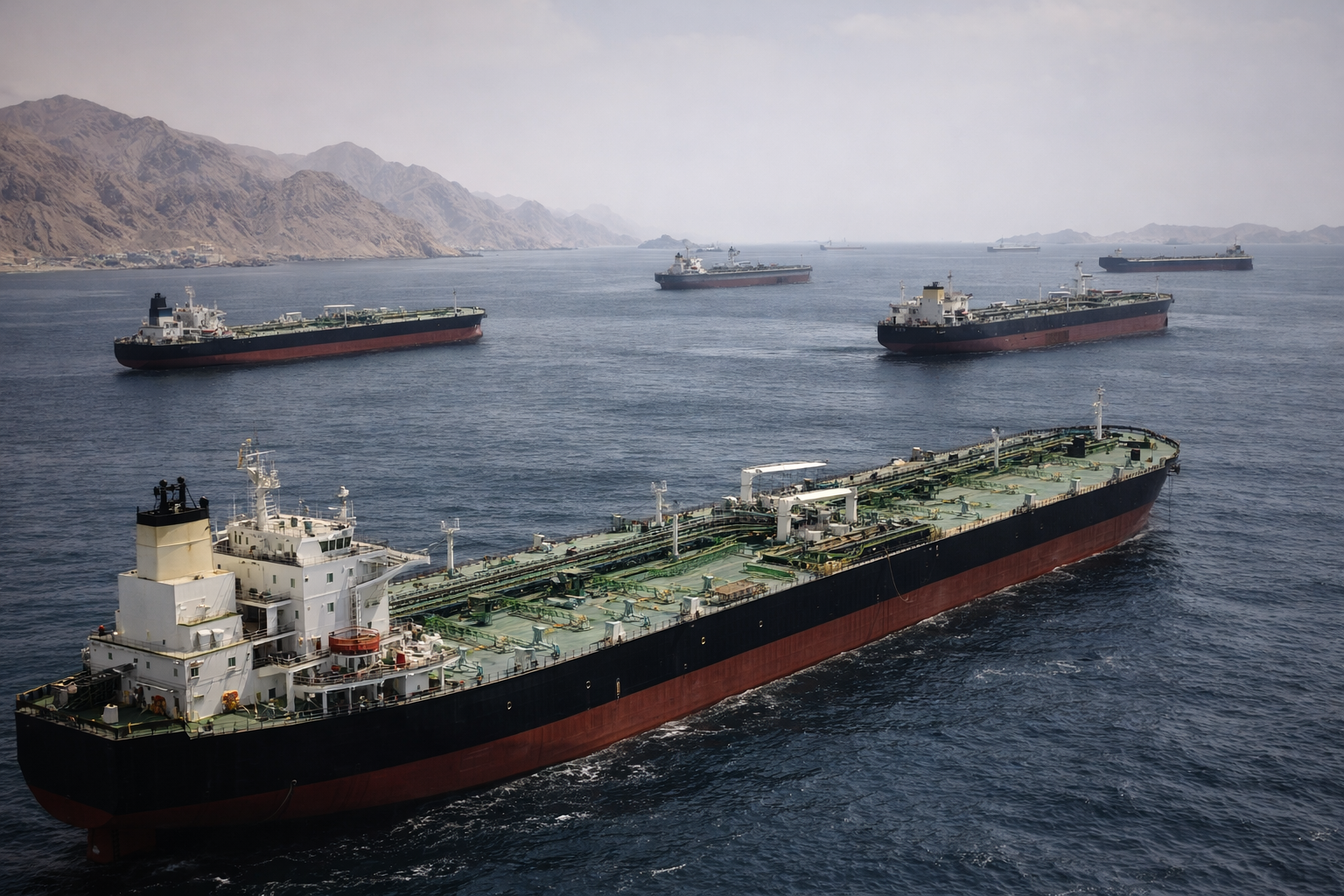
According to the U.S. Energy Information Administration, in 2024 oil flows through the Strait of Hormuz averaged ~20 million barrels/day, around 20% of global petroleum liquids consumption.
That single figure matters enormously for Europe: even if Europe is not the principal destination market for those barrels, the price and supply effects are global—especially during conflict.
5.2 Market response and escalation premiums
Reuters reporting in early 2026 highlights how U.S.–Iran tensions inject risk into oil prices and how markets weigh whether rhetoric translates into real supply disruption.
From a European strategic policy perspective, Hormuz risk translates into:
- inflationary pressure
- industrial competitiveness impacts
- domestic political stress (energy affordability)
- renewed urgency for maritime security and de-escalation diplomacy
6) Europe’s Policy Dilemma: Non-Proliferation, Sanctions, and Deconfliction
Europe faces a triple constraint:
- Prevent nuclear escalation and preserve inspection pathways
- Maintain transatlantic unity with Washington, especially under crisis conditions
- Avoid a regional war that would cause energy and refugee shocks
In late 2025, the UN Security Council’s inability to delay the reimposition (“snapback”) of sanctions became a major inflection point in the international diplomacy ecosystem.
Separately, official European government communication describes the activation of snapback and the return of UN sanctions measures tied to proliferation concerns.
For European policy institutes, the key analytic point is that snapback dynamics reduce diplomatic flexibility: when sanctions regimes harden, the trade space for incremental deals shrinks, and crisis bargaining becomes more binary.
7) Scenarios (2026): Three Plausible Pathways
Scenario A: Managed diplomacy with limited de-escalation
- Indirect talks proceed via intermediaries
- Interim nuclear steps (caps, enhanced access, freeze) traded for partial sanctions relief
- Maritime incidents decline
Probability: medium (if backchannels hold)
Risks: spoilers, domestic politics, verification disputes
Scenario B: “Short war” episode and return to talks
- A limited strike or clash triggers retaliation
- Energy prices spike briefly; rapid diplomatic intervention follows
Probability: medium
Risks: miscalculation; escalation ladder becomes uncontrollable
Scenario C: Prolonged regional escalation and severe economic shock
- Sustained conflict, maritime disruption attempts, proxy activation across fronts
- Hormuz risk premium rises sharply; Europe absorbs secondary economic effects
Probability: low-to-medium, but rising if diplomacy fails
Risks: strategic rupture, humanitarian spillovers
8) Policy Options and Recommendations (ECSAP-Oriented)
For the United States
- Clarify red lines and diplomatic off-ramps in the same messaging channel to reduce ambiguity.
- Prioritize verification restoration as the near-term objective (inspections/access), not maximalist end-states in the first phase.
- Targeted sanctions enforcement focusing on evasion networks while leaving calibrated relief pathways for compliance steps.
For Iran
- Restore cooperative monitoring measures that reduce uncertainty and create bargaining room.
- Avoid threshold signaling that shortens crisis decision timelines and invites preemption narratives.
For Europe (EU/E3)
- Maintain a dual-track approach: deterrence of proliferation + deconfliction architecture (maritime incident channels).
- Invest in crisis communications among regional navies to reduce accidental clashes.
- Use energy-security diplomacy proactively: coordinate with suppliers and develop contingency shipping measures to dampen market shocks.
- Align messaging: prevent contradictory signals between Washington–Brussels–London–Paris–Berlin during high-risk windows.
For international institutions
- Support IAEA access and continuity: technical verification is the foundation for any sustainable deal.
- Encourage transparency norms in sanctions enforcement and shipping compliance to reduce gray-zone escalation in the maritime domain.
Conclusion
The U.S.–Iran relationship in early 2026 is characterized by a dangerous paradox: diplomacy appears possible, yet the operational environment is saturated with escalation triggers. Reuters reporting suggests both sides are exploring diplomatic channels even as military posture hardens. Meanwhile, IAEA reporting and U.S. congressional analysis underscore how stockpiles and reduced transparency compress timelines and increase strategic uncertainty.
For Europe, the stakes are immediate: any regional shock propagates through energy markets and maritime security. The Strait of Hormuz remains the central vulnerability node, moving ~20% of global petroleum liquids consumption in 2024.
The overriding policy implication is that verification, deconfliction, and calibrated economic levers must be treated as an integrated package. Isolated pressure without credible off-ramps increases the probability that a crisis becomes a conflict; engagement without enforceable verification increases the probability that diplomacy becomes a delaying strategy. Europe’s strategic task is to narrow the gap between those two failure modes—before miscalculation closes the window.