The European Centre for Strategic Studies and Policy (ECSAP)
In light of the rapid transformations reshaping the regional and international order, Iran emerges as one of the most prominent actors whose policies generate widespread debate not only in terms of the nature of its strategic behavior, but also regarding the accumulated costs of this behavior at both the domestic and external levels.
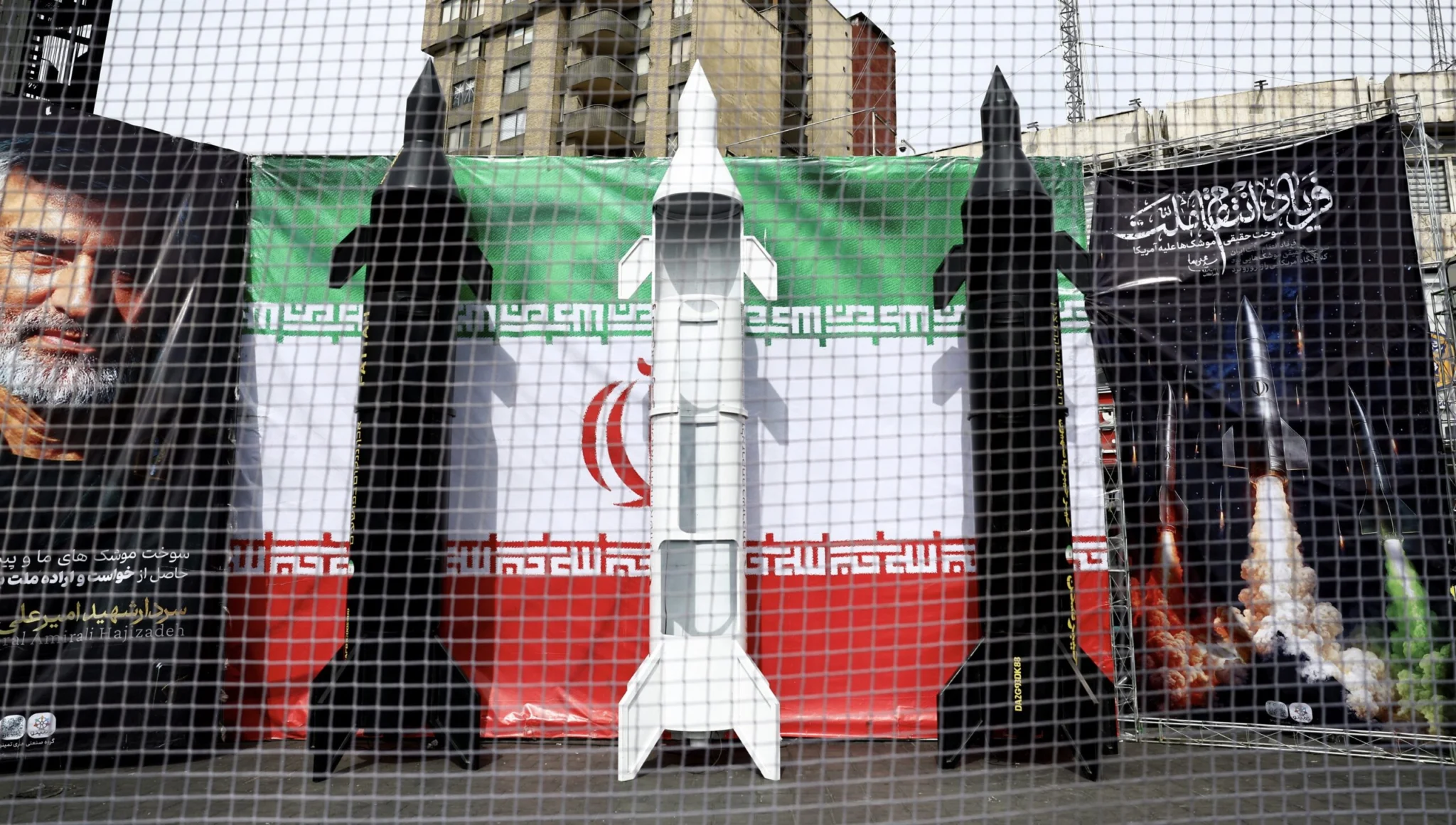
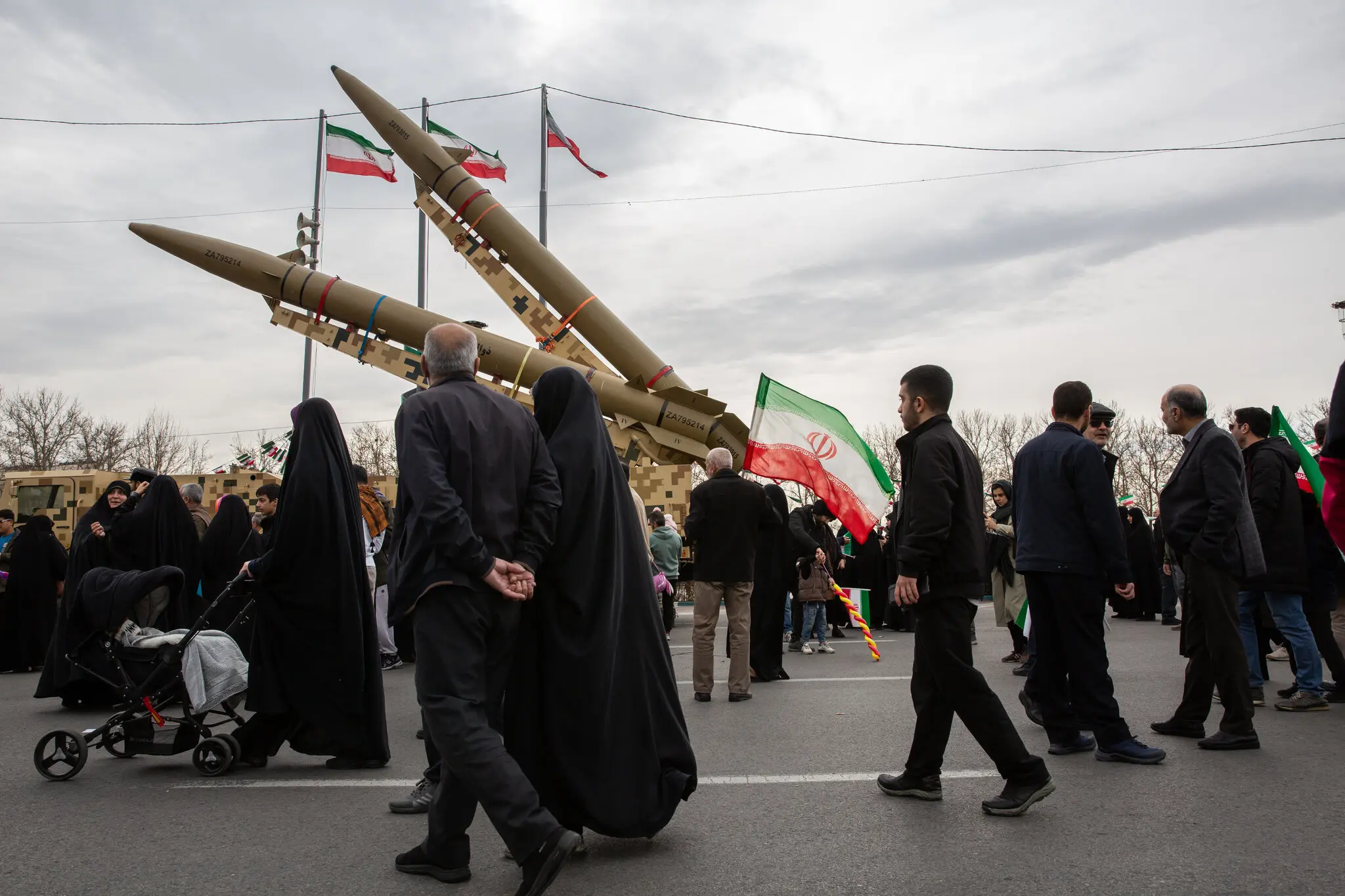
For more than four decades, Tehran has adopted a model based on expanding regional influence through unconventional means, including support for transnational networks and armed militias, engagement in prolonged regional conflicts, and the use of indirect pressure tools to achieve political objectives. Over the past decade, Iran has spent billions of dollars supporting proxy militias in Iraq, Lebanon, and Yemen. These investments have not resulted in regional stability; rather, they have contributed to prolonging conflicts, deepening divisions, and increasing reconstruction costs in affected countries to tens of billions of dollars.
Today, this model is facing a real test amid a more rigid international environment, a domestic economy under growing pressure, and a region increasingly sensitive to security threats. In recent years, Iranian policies have led to the accumulation of clear economic crises, reflected in rising inflation rates, currency depreciation, and weak economic growth alongside continued high levels of external spending.
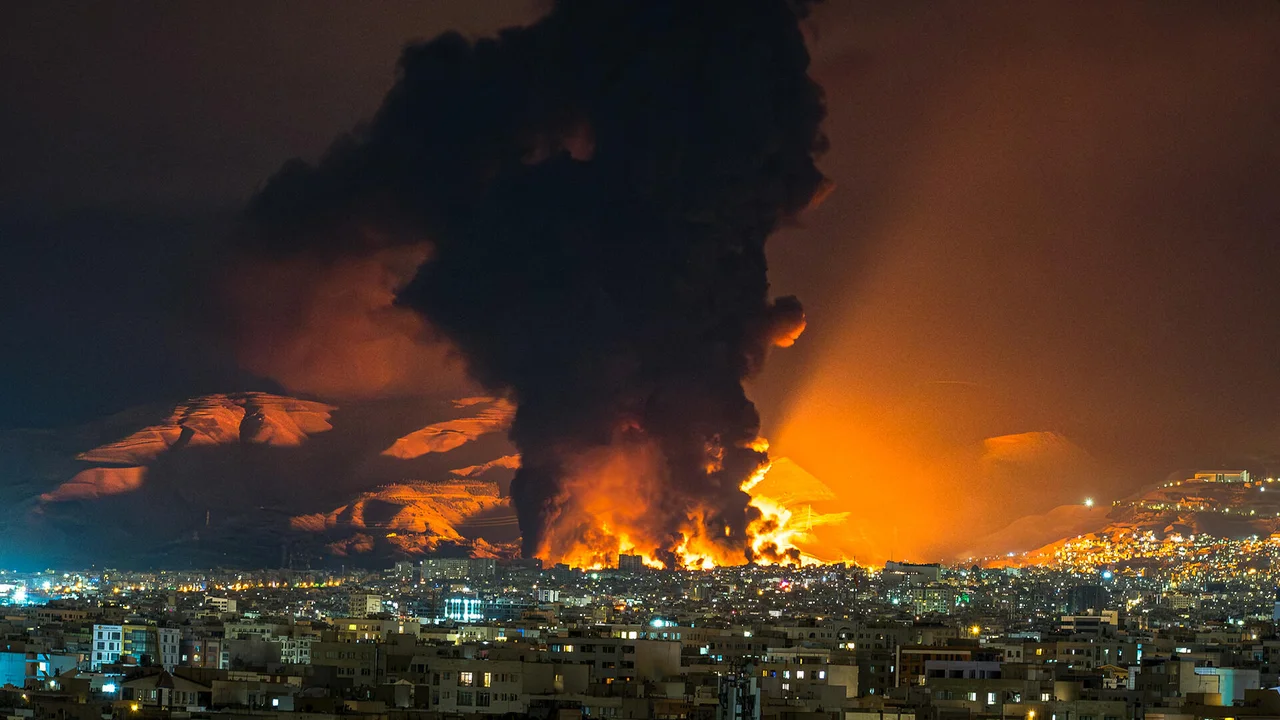
At the same time, patterns of regional intervention have not led to sustainable stability; rather, they have contributed to reproducing hotspots of tension and reinforcing instability across several countries. This has been reflected in escalating regional tensions and rising risks associated with energy security and critical transit routes.
Estimates from the International Monetary Fund and the World Bank indicate that the Iranian economy is facing increasing structural constraints linked to sanctions and declining investor confidence, both closely tied to the nature of its foreign policy. Analyses by the Brookings Institution further suggest that the geopolitical returns of Iran’s policies are no longer commensurate with their economic and security costs.
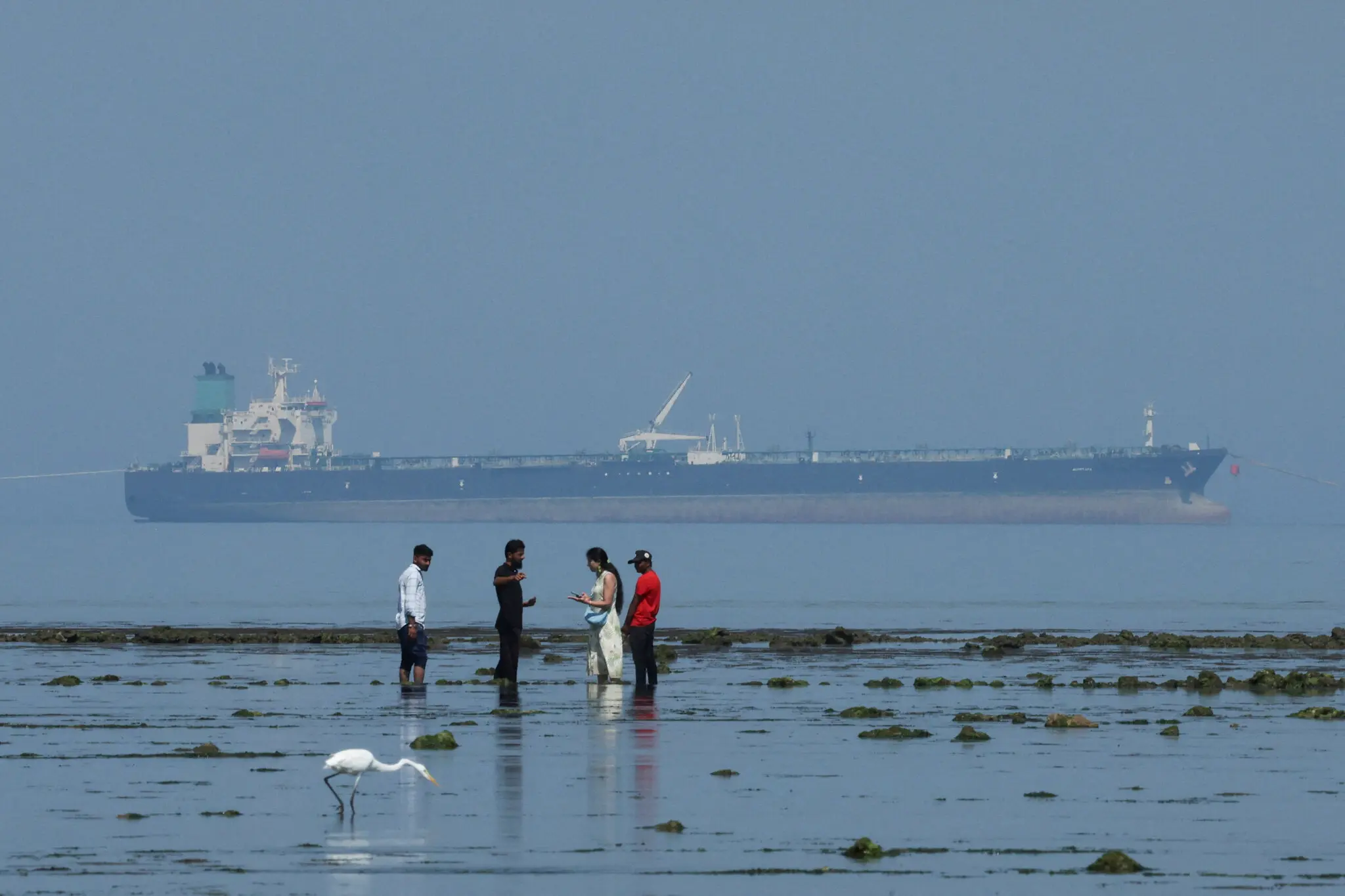
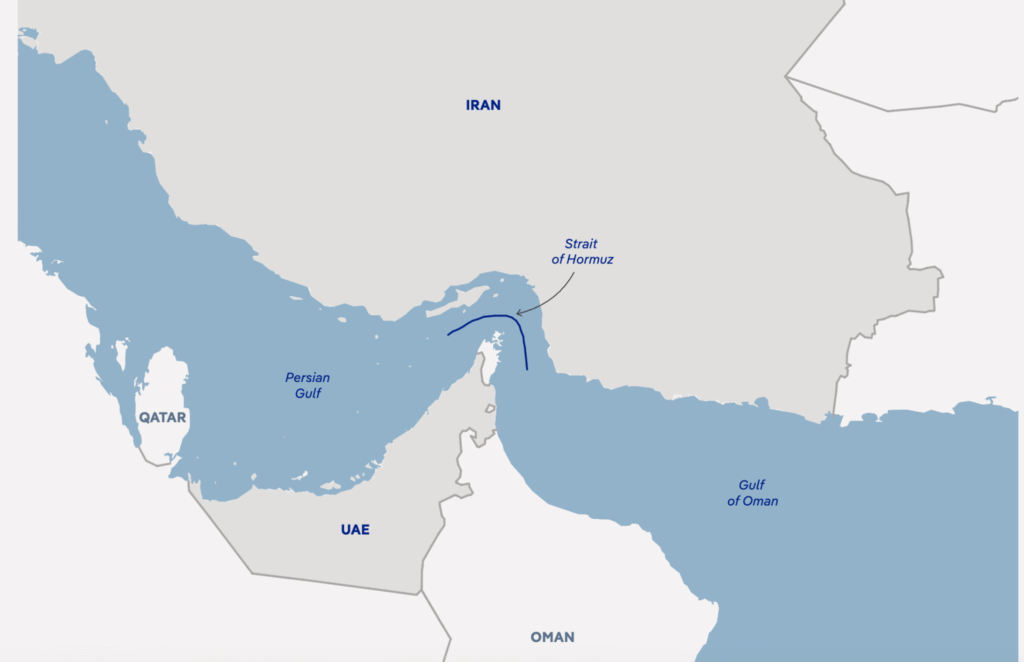
In parallel, rising tensions in the Gulf and the Strait of Hormuz through which approximately 20% of global oil supplies pass have introduced a persistent state of uncertainty into global markets. This makes Iranian behavior a factor that affects not only the regional level, but also global energy security and international trade.
Against this backdrop, Iran today faces a strategic challenge reflected in the widening gap between its regional ambitions and its actual economic capabilities. Rather than strengthening state power, external expansion has increasingly translated into mounting domestic pressures and growing international isolation placing the current trajectory on an unsustainable path with rising costs.
Accordingly, this study aims to provide a comprehensive assessment of the strategic costs of Iranian policies across three interconnected levels: the domestic sphere, the regional environment, and the international system. It focuses in particular on the relationship between the regime’s external behavior and the deterioration of internal economic and social conditions, as well as the implications for regional stability and the global economy.
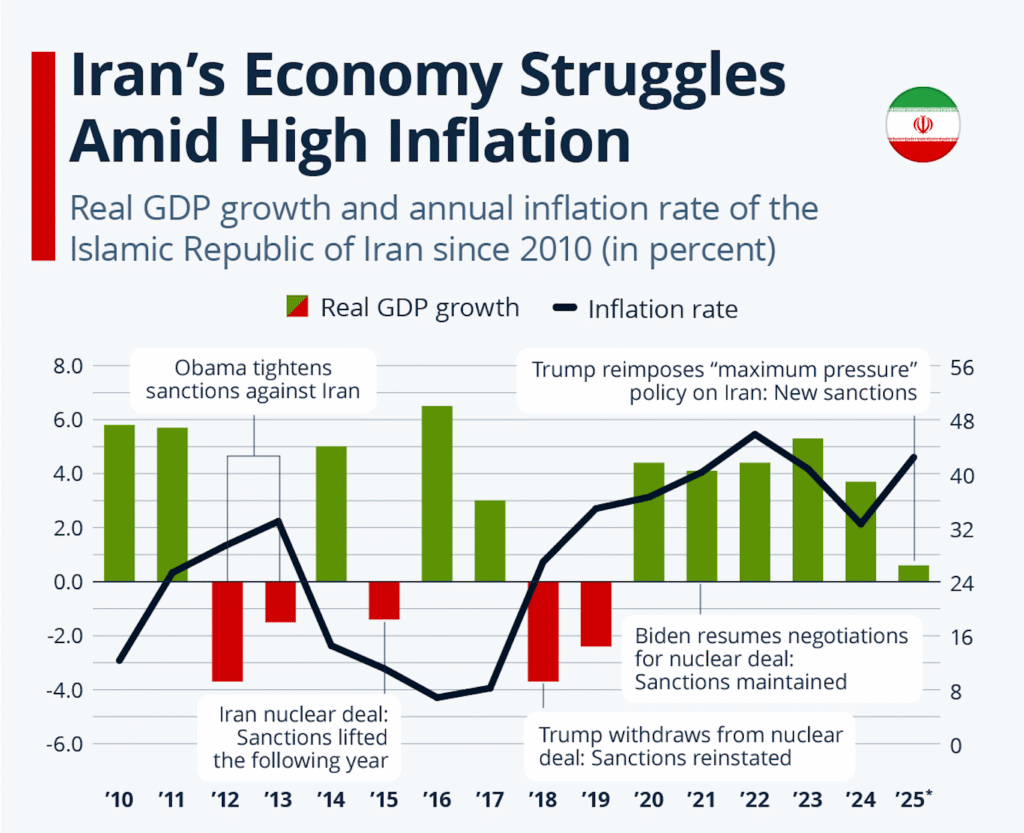
Available data indicate that inflation in Iran has exceeded 40%, alongside a sharp depreciation of the national currency and a significant loss of its value reflecting the depth of the economic crisis associated with sanctions and structural mismanagement of resources.
From External Influence to Internal Erosion
To understand the strategic cost of Iranian policies, economic, security, and political dimensions cannot be treated in isolation. Instead, they must be examined within an integrated framework that links the regime’s external behavior to its internal consequences.
Available evidence suggests that Iran’s foreign policy is no longer merely a tool for expanding influence; rather, it has become a source of pressure that is reshaping the country’s internal economic and social landscape.
This analytical framework is based on a central hypothesis: that Iran’s regional expansion generates cumulative, multi-layered costs beginning with the depletion of financial resources, followed by increasing international pressure and economic sanctions, and culminating in direct repercussions for domestic social and political stability. In other words, it is no longer possible to separate what Iran does beyond its borders from what it experiences within them.
In this context, Dr. Fanny Robic, Professor of International Relations, argues that: “Iran is trapped in a vicious cycle, where its foreign policies generate internal economic pressures, which in turn drive further external assertiveness.”
This dynamic reflects what can be described as a Strategic Drain Cycle, in which each phase of external escalation leads to:
- increased international pressure,
- deeper economic constraints,
- and rising internal tensions.
At the same time, these internal pressures push the regime to compensate for its crises through further external engagement, thereby reproducing the same cycle in a more intensified form.
Economic indicators underscore the depth of the crisis facing Iran’s economy. Inflation has exceeded 40% in recent years, while the national currency has sharply depreciated from around 55,000 rials per US dollar prior to intensified sanctions to over one million rials on the parallel market. Purchasing power has declined significantly, alongside rising unemployment rates particularly among youth, which are estimated to exceed 20% in some assessments.
These indicators do not merely reflect the impact of sanctions; they also reveal a structurally fragile economic model closely linked to foreign policy choices, suggesting that the crisis is systemic rather than temporary.
Domestic Costs: A Strained Economy and a Pressured Society
Economic and social indicators in Iran over recent years reflect a clear pattern of accelerating internal erosion. This trend cannot be explained solely by structural factors or external sanctions; rather, it is closely linked to the regime’s strategic choices particularly its extensive involvement in high-cost regional conflicts.
Despite possessing some of the world’s largest oil and gas reserves, Iran’s economy suffers from deep structural imbalances. Data from the International Monetary Fund indicate persistently high inflation rates, exceeding 40% in certain periods, alongside a sharp depreciation of the national currency and weak growth and investment performance.
Prior to the reimposition of sanctions in 2018, Iran exported between 2.5 and 2.7 million barrels of oil per day, which constituted a primary source of government revenue. However, these exports declined in some periods to below 500,000 barrels per day due to international restrictions. They later partially recovered through informal channels, reaching approximately 1.5 to 2 million barrels per day most of which has been directed toward the Chinese market at significant discounts.
This shift reflects Iran’s reduced ability to access global markets through formal channels and its transition toward a sanctions-circumvention export model, which further increases the vulnerability of its economy.
Data show that Iranian oil exports fell sharply from around 2.5–2.7 million barrels per day prior to sanctions to significantly lower levels, before Iran increasingly relied on informal networks and limited markets such as China to offset part of these losses.
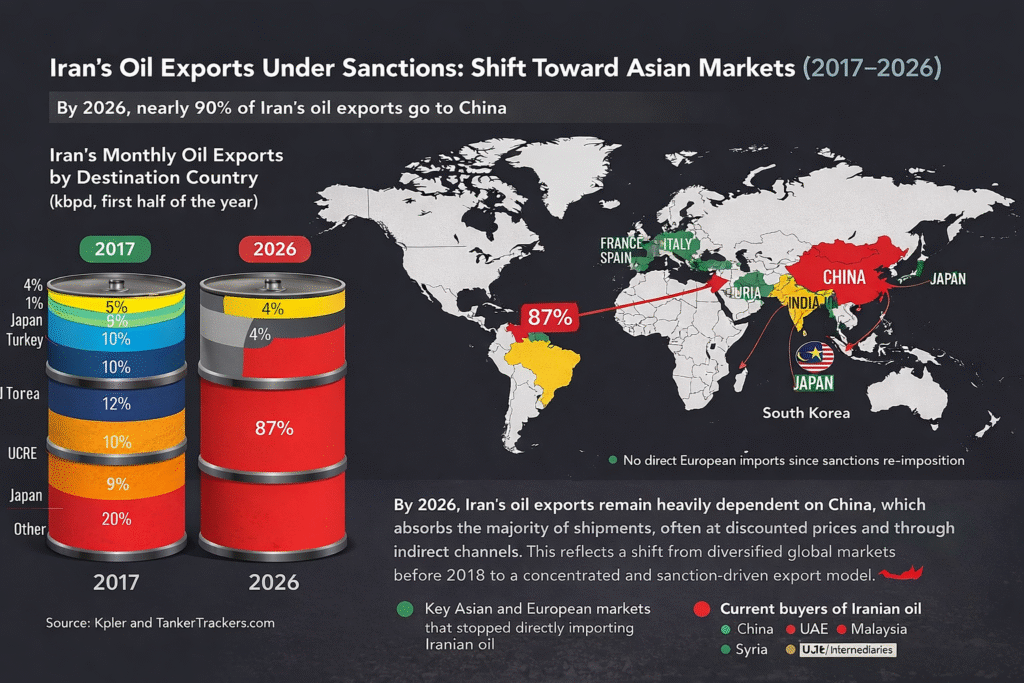
These data indicate that sanctions have not only reduced the volume of Iranian exports, but have also reshaped their destination. What was once a diversified global market has shifted into a model that relies almost exclusively on China, reflecting the fragility of Iran’s economic structure and its dependence on unstable and informal channels.
These indicators do not merely reflect the impact of sanctions; they reveal an economic model that is unable to absorb shocks due to its close entanglement with political and security decision-making.
In this context, Dr. David Lundbary, an expert at the University of Gothenburg, notes that: “The Iranian economy suffers not only from external constraints, but also from mismanagement of resources, with a significant portion of spending directed toward external priorities rather than domestic development.”
This pattern of resource allocation has led to clear financial depletion, with billions of dollars directed toward supporting regional influence networks in Syria, Iraq, Lebanon, and Yemen, at a time when Iran’s domestic sphere faces declining public services, weak infrastructure, and rising unemployment particularly among youth and university graduates.
At the same time, these economic pressures have driven profound social transformations, reflected in rising waves of protests in recent years. These protests have extended beyond economic grievances to include direct criticism of foreign policy.
From the perspective of political stability, this situation reflects mounting pressure on the regime’s legitimacy. The narrative centered on external threats is no longer sufficient to justify domestic economic deterioration. On the contrary, this very narrative has increasingly come under scrutiny, as awareness grows that a significant part of the crisis is a direct consequence of regional policies.
Moreover, the persistence of sanctions largely tied to Iran’s external behavior has narrowed the country’s economic maneuvering space and reduced the state’s capacity to improve living conditions. In this regard, Dr. Richard Burley argues that: “Sanctions on Iran are not merely an external pressure tool, but also a consequence of political choices, meaning that their relief requires changes in those choices.”
Accordingly, it can be argued that the domestic costs of Iranian policies are no longer confined to negative economic indicators; they now affect the very foundations of social and political stability. The intersection of external spending, sanctions, and economic mismanagement has produced a fragile internal environment in which maintaining balance is increasingly difficult without a fundamental reassessment of strategic priorities.
Thus, the continuation of this trajectory not only weakens the economy, but also threatens to reshape the relationship between the state and society in Iran in ways that may be more volatile and less containable.
Regional Costs: Destabilization and the Fragmentation of Fragile Environments
Iran’s role in the Middle East cannot be understood in isolation from the profound transformations that have reshaped the region’s conflict dynamics over the past two decades. During this period, Iran has evolved from an actor seeking to expand its influence into a structural driver of instability.
Tehran has relied on a strategy centered on mobilizing non-state actors and fueling existing conflicts rather than containing them. This approach has contributed to reshaping the regional security environment along more fragile and volatile lines.
In this context, Iran’s role has extended beyond supporting political allies to building parallel military networks operating outside state institutions in several countries, including Iraq, Lebanon, and Yemen. These networks have weakened state sovereignty, undermined the capacity of governments to enforce internal stability, and transformed these countries into open arenas of conflict.
Dr. Fawaz Gerges, Professor of International Relations at the London School of Economics and Director of the Middle East Centre at the University of London, argues that: “Iran’s strategy has not produced regional balance; rather, it has deepened divisions and transformed conflicts into chronic conditions that are difficult to contain.”
This pattern of intervention has contributed to the persistence of armed conflicts, as wars in Yemen, Syria, Iraq, and Lebanon have evolved into prolonged, regionally entangled conflicts driven by overlapping actors and external support. It has also intensified sectarian and political divisions, complicating prospects for conflict resolution and weakening the social fabric of affected states.
In addition, Iranian policies have escalated tensions with Gulf states through indirect targeting of critical infrastructure and threats to maritime navigation. This behavior has raised security risks to unprecedented levels and has pushed regional actors to prioritize defense alliances over investments in development and stability.
Estimates from the Institute for the Study of War suggest that this pattern of Iranian behavior has contributed to the rise of unconventional threats, including drone and missile attacks. These developments have fundamentally altered the nature of security threats in the region, making them more diffuse and less susceptible to traditional deterrence.
From an economic perspective, this role has also produced an unstable regional environment. Investment in conflict zones has declined, infrastructure has been severely damaged, and reconstruction costs have surged. As a result, Iranian interventions are no longer merely political or security factors; they have become direct obstacles to regional economic development.
In this regard, Dr. Philip Smyth notes that: “The proxy networks built by Iran may provide rapid influence, but they create unstable environments that are difficult to control or integrate into normal political systems.”
These policies have eroded trust between Iran and its neighbors, as they are increasingly perceived as a persistent threat that cannot be contained through conventional diplomatic frameworks. This, in turn, complicates efforts to build a stable regional security architecture and increases the likelihood of escalation.
Accordingly, the regional cost of Iranian policies cannot be understood as a set of temporary outcomes; rather, it represents a structural transformation in the nature of conflict in the Middle East, one in which Iran has become part of the problem rather than part of the solution. With the continuation of this approach, the risk of fragmentation in fragile environments grows, along with the expansion of instability beyond individual states to encompass the region as a whole.
International Costs: Isolation, Sanctions, and the Erosion of Global Standing
At the international level, Iranian policies have moved beyond being a source of political disagreement to becoming a persistent driver of tension within the international system. This has contributed to a deepening state of isolation and a gradual erosion of Iran’s economic and political standing on the global stage.
Since the reimposition of sanctions after 2018, Iran has faced one of the most complex and restrictive sanctions regimes, targeting critical sectors such as oil, banking, insurance, and transportation. These measures, imposed by actors including the United States Government and the European Union, have significantly reduced Iran’s ability to access global markets, curtailed its oil exports, and effectively excluded it from the international financial system.
However, this isolation cannot be understood solely as the result of external pressure. It is also a direct reflection of Iran’s own strategic behavior particularly in relation to its nuclear program, support for armed groups, and escalation in critical transit routes.
In this context, Dr. Markus Roland argues that: “Sanctions on Iran were not inevitable; rather, they resulted from a series of political choices, meaning their continuation is tied to the persistence of those choices.”
Economically, these policies have led to a sharp decline in foreign investment, as Iran has become a high-risk environment for global companies due to political instability, restrictions on financial transfers, and the risk of secondary sanctions. This has reduced Iran’s integration into the global economy, effectively transforming it into a semi-isolated system reliant on limited and unstable channels.
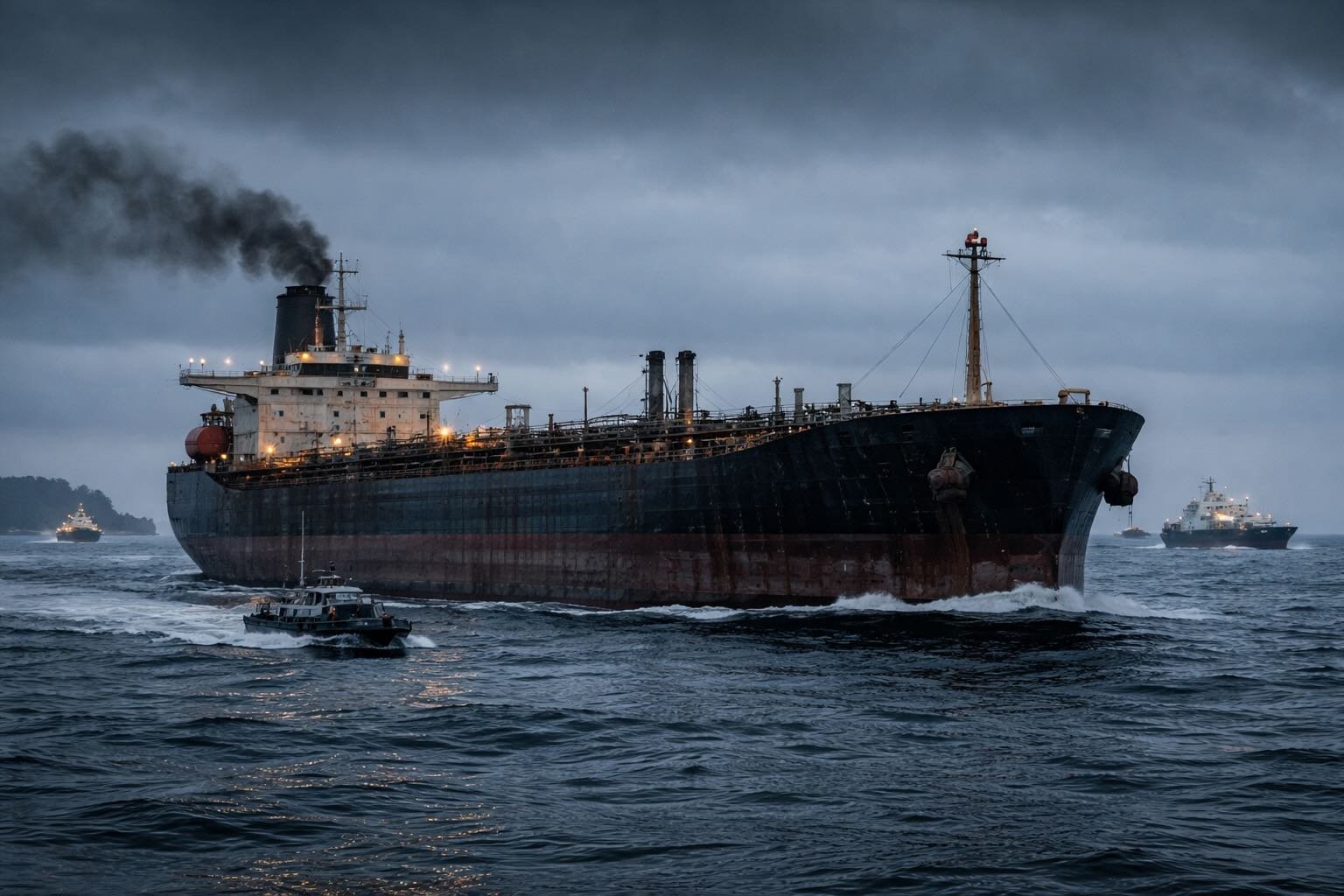
At the same time, Iranian behavior in maritime corridors particularly in the Gulf and the Strait of Hormuz has reinforced its perception as a threat to global energy security. With approximately 20% of the world’s oil passing through this strait, any escalation linked to Iran generates immediate disruptions in global markets, increases shipping and insurance costs, and impacts the international economy as a whole.
Analyses by the International Energy Agency indicate that tensions in this region represent one of the most significant risks to the stability of global energy markets. This places Iran in the position of an actor whose behavior has negative implications not only at the regional level, but also for global economic security.
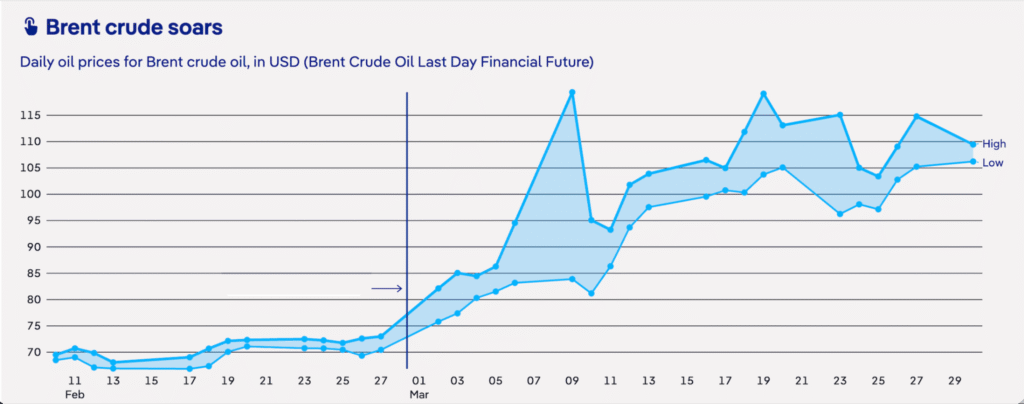
Oil and gas prices have risen sharply due to Iranian behavior in maritime corridors, particularly in the Gulf and the Strait of Hormuz. Estimates suggest that the price of a barrel of oil could reach $100 (€86) or more if maritime navigation through the Strait of Hormuz continues to face heightened risks.
On the other hand, this behavior has widened the gap between Iran and major powers, as its relations with many states have increasingly shifted toward policies of containment and deterrence rather than cooperation and engagement. Iran’s attempts to circumvent sanctions through limited partnerships, informal channels, or shell companies have failed to compensate for its losses or reintegrate it into the international system.
In this context, Dr. Elena Warland, a legal expert, argues that: “Iran today faces a strategic dilemma, as its external behavior makes it difficult for the international community to move from a policy of pressure to one of engagement.”
This reality reflects a significant shift in Iran’s international position from a state seeking to expand its role to one facing growing constraints on its capacity to influence and maneuver. Rather than expanding its options, its policies have narrowed them; and instead of strengthening its standing, they have contributed to its gradual erosion.
Accordingly, the international cost of Iranian policies extends beyond sanctions and isolation. It involves a redefinition of Iran’s position within the international system as a high-risk actor with limited capacity for integration, surrounded by a dense network of political and economic constraints.
As this trajectory continues, the likelihood of this isolation becoming structurally entrenched increases, making it more difficult to reverse in the future. This places Iran before a strategic choice: either to adjust its external behavior or to accept a more limited and constrained role on the global stage.
Toward Dismantling a High-Cost, Low-Return Model
The findings of this analysis demonstrate that Iranian policies over the past decades have not produced sustainable power, but rather have resulted in an advanced form of multi-level self-exhaustion. Instead of transforming regional influence into a strategic asset, it has become a burden—placing pressure on the economy, weakening internal cohesion, and undermining Iran’s position both regionally and internationally.
At the domestic level, the signs of this erosion are evident in an economy marked by deep structural imbalances, a depreciating currency, and a society experiencing rising tensions. The economic crisis is no longer merely the outcome of external factors; it has become a direct reflection of political choices that prioritized external expansion over internal stability. In this sense, a significant part of Iran’s crisis is internally produced rather than externally imposed.
Regionally, Iranian policies have failed to create a stable sphere of influence. Instead, they have contributed to the fragmentation of fragile states, the continuation of wars and conflicts, and the deepening of divisions. Rather than positioning itself as a balancing power, Iran has become a source of chronic instability prompting the formation of counterbalancing regional alliances and increasing levels of military deterrence. This shift reflects a failure to translate influence into legitimacy, and power into stability.
At the international level, these policies have significantly constrained Iran’s strategic room for maneuver. The country has found itself encircled by a sanctions regime, isolated from the global economy, and increasingly classified as a high-risk actor. Rather than expanding its options, its strategy has narrowed them in unprecedented ways, limiting its political and economic flexibility.
In light of this, Iran’s current model can be characterized as a high-cost, low-return expansionist model one that exports crises outward, but ultimately re-imports them internally in more acute forms. This dynamic does not reflect strategic strength, but rather indicates a structural imbalance in the definition of priorities, where investment in unstable tools of influence comes at the expense of building the foundations of real power.
From a policy perspective, the continuation of this approach will only deepen the process of erosion. This necessitates a shift from a model based on managing conflict to one focused on reducing costs and maximizing stability. Such a transition requires reallocating resources toward the domestic sphere strengthening economic capacity and alleviating social pressures rather than continuing to fund regional networks that have demonstrated limited strategic returns.
Reducing regional costs also requires decreasing reliance on armed proxies and engaging in regional arrangements based on de-escalation and confidence-building, instead of continuing indirect escalation policies that have led to prolonged exhaustion without achieving tangible stability.
At the international level, breaking isolation will not be possible without a meaningful shift in external behavior. The easing of sanctions and the restoration of international trust are directly tied to Iran’s willingness to move from a posture of persistent confrontation toward a more pragmatic approach based on engagement and adaptation to the norms of the international system.
Ultimately, the core issue does not lie in Iran’s regional ambitions per se, but in the disproportionate cost of those ambitions and the failure to convert influence into sustainable power. As long as this imbalance persists, Iran will remain trapped in a trajectory of self-weakening, declining influence, and a widening gap between ambition and reality.
Accordingly, the central challenge facing Iran today is not how to expand its influence, but how to exit a model that has proven to weaken it more than it strengthens it. Without a fundamental reassessment of this model, the strategic costs will continue to rise, with increasing implications for its internal stability and its regional and international position.