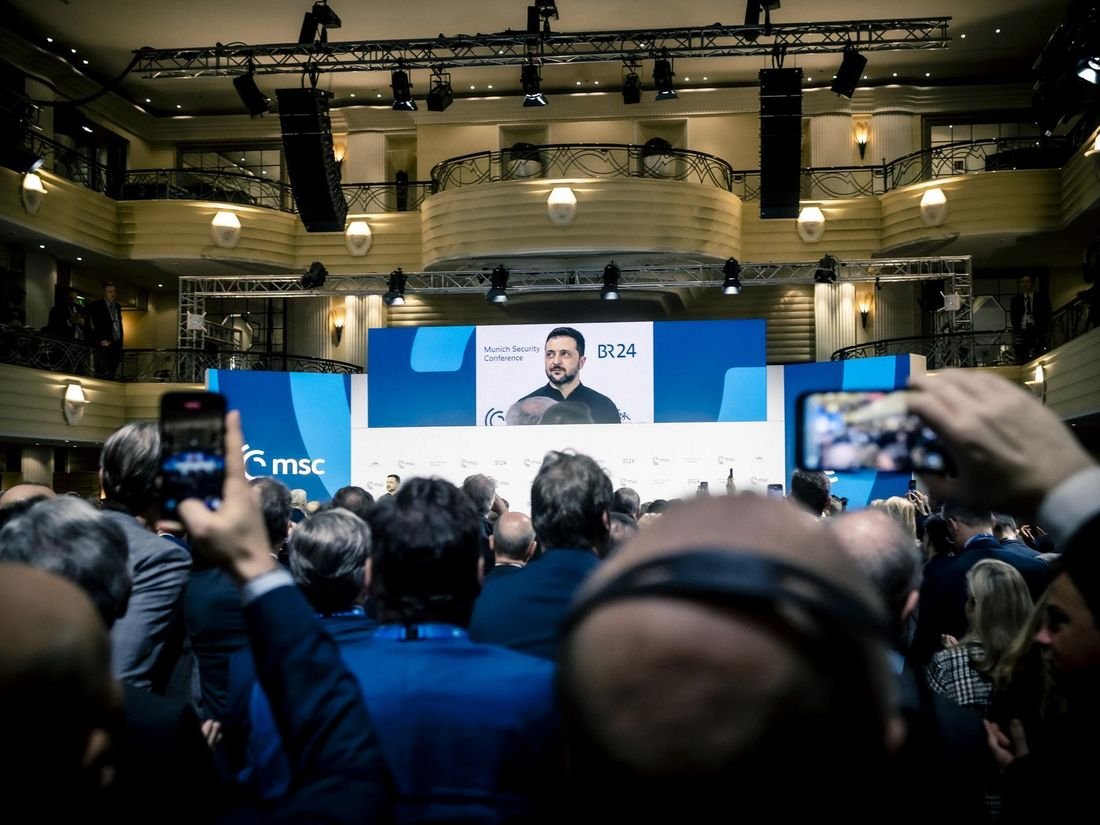
Over the past year, the European Policy Centre’s Defence and Security project (DefSecEU) has published a series of reports outlining how Europe can assume greater responsibility for its own defence in this shifting geopolitical landscape. These publications provide essential background reading for the debates in Munich.
Here is a selection:
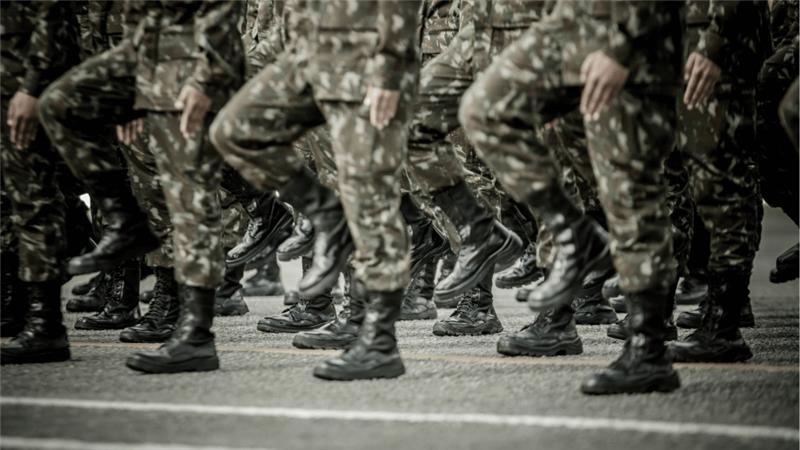
Quick march! Ten steps for a European defence surge
By Paul Taylor, Juraj Majcin, Chris Kremidas-Courtney, Maria Martisiute and Mihai Sebastian Chihaia
Can Europe really mount a credible defence surge before the next shock hits?
This EPC Policy Brief sets out ten concrete steps to mobilise Europe’s industrial, financial and political power for a sustained defence buildup. With Russia at war, China assertive and US guarantees less certain, the authors argue that Europe has only a narrow window to act – or risk being unprepared for the next confrontation.
How to spend it: European defence for the age of mass precision
By Chris Kremidas-Courtney
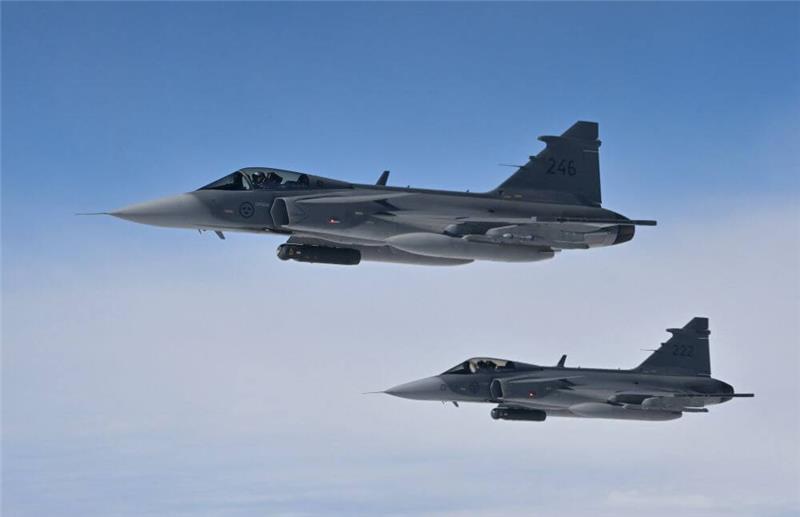
Are Europe’s defence billions preparing for the next war — or the last one?
In this EPC Discussion Paper, Chris Kremidas-Courtney argues that the age of “mass precision” demands a radical rethink of European defence spending.
From drone warfare and AI-enabled systems to European command structures and nuclear deterrence, the paper outlines how Europe can invest smarter – and become a credible, autonomous military power.
Read the full Discussion Paper here.
From umbrella to arsenal: boosting Europe’s nuclear deterrence
By Juraj Majcin
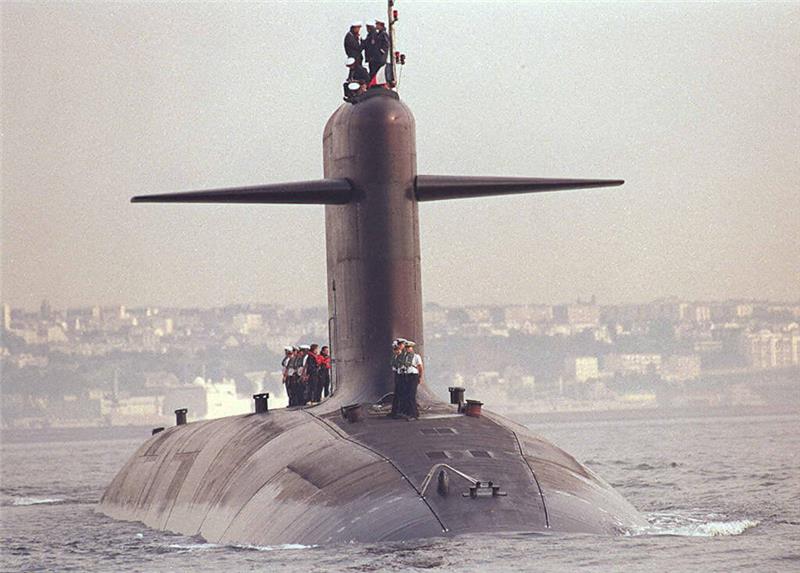
Can Europe deter a nuclear-armed Russia if the US umbrella weakens?
In this EPC Policy Brief, Juraj Majcin argues that conventional rearmament is not enough. As transatlantic guarantees grow uncertain and Russia escalates nuclear threats, Europe must rethink its own nuclear posture – and move from dependence to a more credible, European-based deterrent.
Read the full Policy Brief here.
Military mobility a critical enabler
By Mihai Sebastian Chihaia
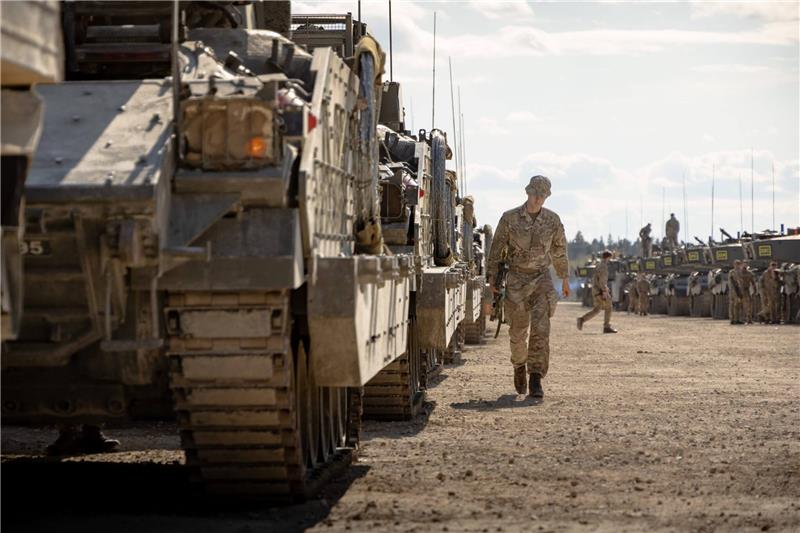
If war came tomorrow, could Europe move its forces fast enough?
In this EPC Policy Brief, Mihai Sebastian Chihaia argues that military mobility is the backbone of credible deterrence.
As US guarantees grow uncertain and Russia rebuilds, Europe must urgently upgrade infrastructure, cut red tape and fund dual-use corridors — or risk having forces that cannot reach the front in time.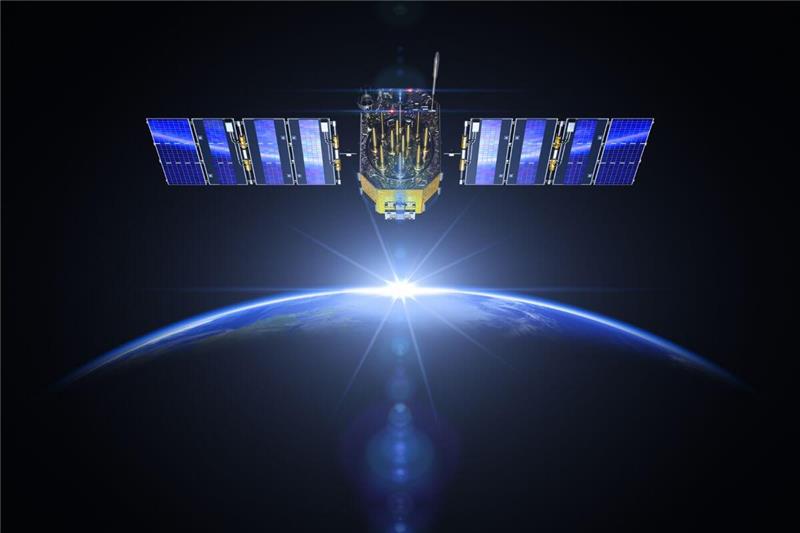
Flying blind: How to prevent Russian GPS operations from causing a European air disaster
By Maria Martisiute
What happens when Europe’s planes start flying blind?
In this EPC Discussion Paper, Maria Martisiute warns that Russia’s escalating GPS jamming and spoofing operations are a form of hybrid aggression that could trigger a European air disaster.
With 40% of EU air traffic affected, she calls for a coordinated EU–NATO response to deter interference, close legal gaps and strengthen technical resilience before catastrophe strikes.
Read the full Discussion Paper here.
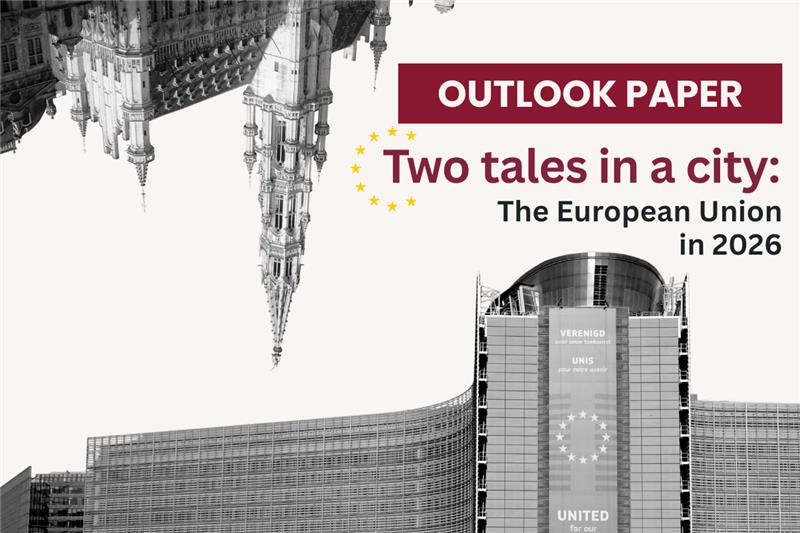
Two Tales in a City: The European Union in 2026
By Almut Möller
Is 2026 the year Europe regains its footing – or slips further behind?
In this EPC Outlook Paper, Almut Möller examines how 2025 exposed Europe’s vulnerabilities in security, democracy and its economic model.
She argues that without bold reform of Europe’s political and security architecture, 2026 risks becoming another year of drift – rather than renewal – for the European project.