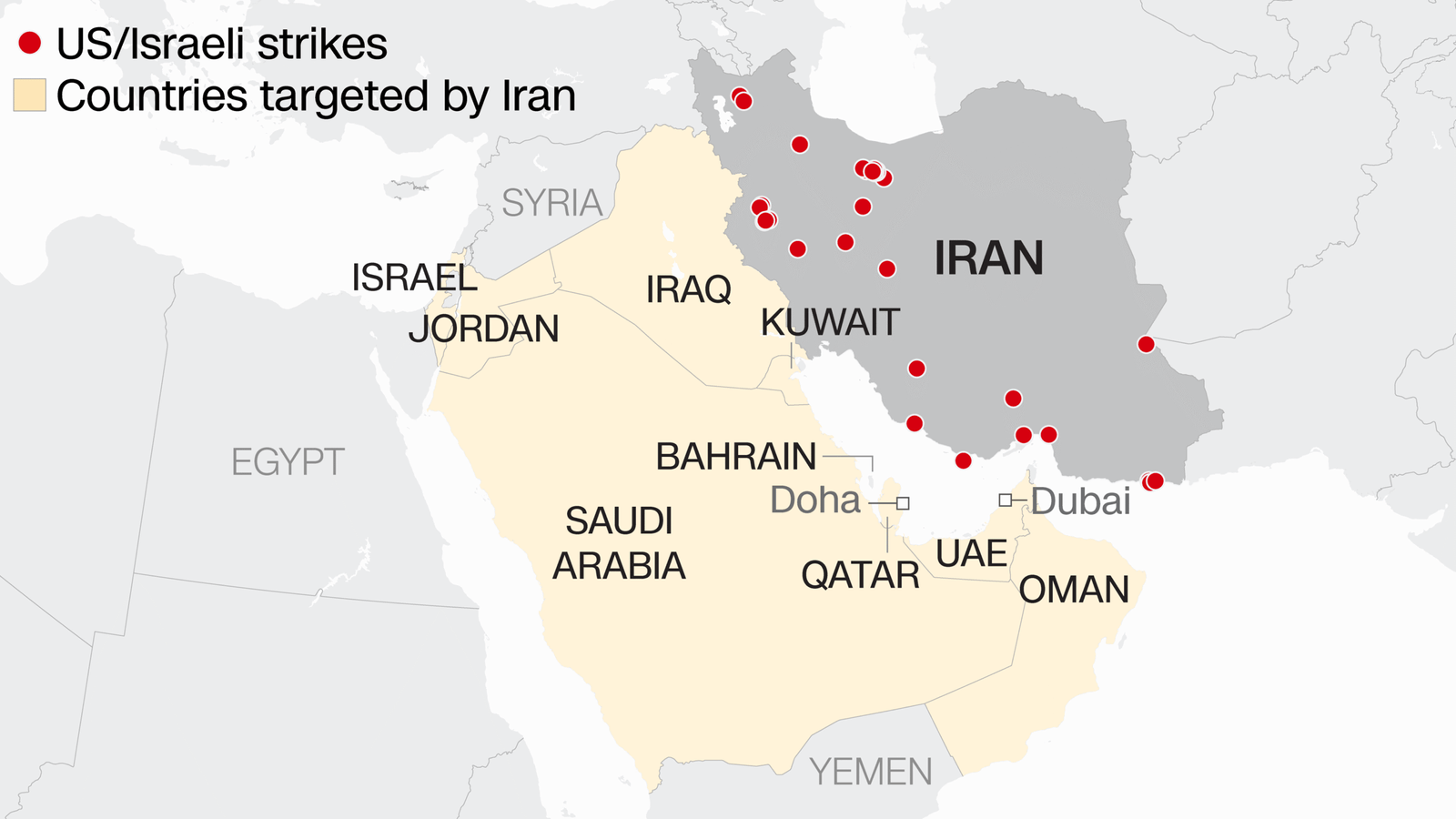
Since late February 2026, the Middle East has entered a higher-risk phase marked by direct U.S.–Israeli strikes on Iran and Iranian retaliation that reached the Gulf. The immediate strategic center of gravity is no longer only “nuclear vs. deterrence,” but regional escalation control—especially maritime security in/around the Strait of Hormuz, the resilience of Gulf state critical infrastructure, and the risk of a sustained multi-front conflict that blends air/missile warfare, proxy activity, cyber operations, and energy coercion.
1) What happened and why it matters now
A new threshold: direct, declared strikes
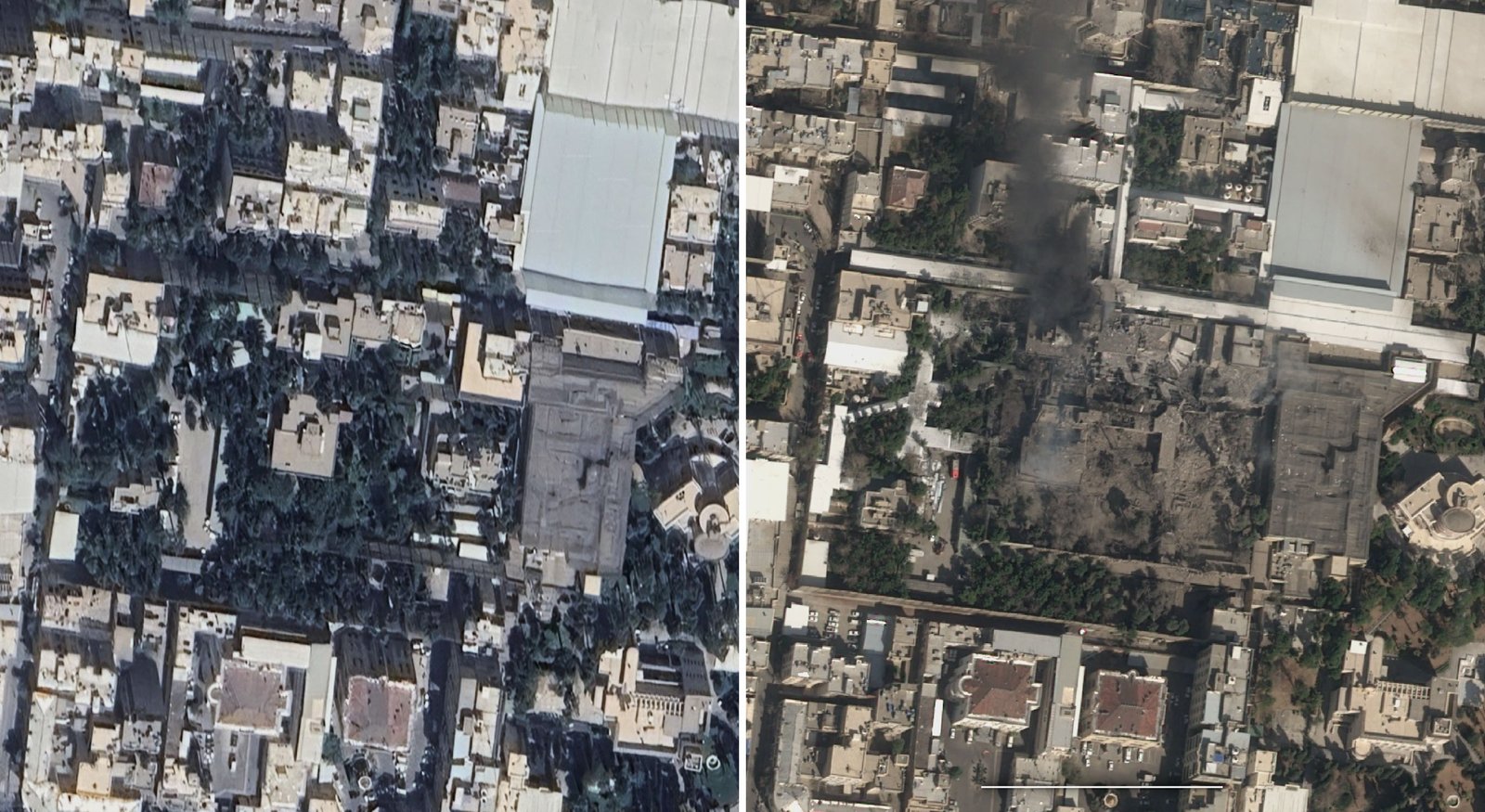
Credible reporting indicates the United States and Israel conducted coordinated strikes on Iran in late February 2026, triggering rapid security reverberations (aviation disruptions, elevated force protection, and heightened Gulf alert posture).
Retaliation reached the Gulf
Within days, Iranian missile activity and associated escalation dynamics were reported as bringing the conflict “to the Gulf’s doorstep,” accelerating the risk calculus for Qatar, the UAE, and other Gulf partners that host U.S./Western forces and serve as logistics hubs.
Why the Strait of Hormuz is the strategic “switch”
Analyst assessments emphasize that even without a formal closure, risk perceptions alone can disrupt shipping, push up war-risk insurance, and raise delivered energy costs. One widely cited estimate is that the Strait facilitates roughly ~20% of global petroleum consumption transit and about one-fifth of LNG trade, making it the most systemically dangerous escalation arena.
2) Core actors and interests
Iran
- Primary objectives: Regime survival; deterrence credibility; protection of strategic programs; maintaining a retaliatory ladder that avoids total war while imposing costs.
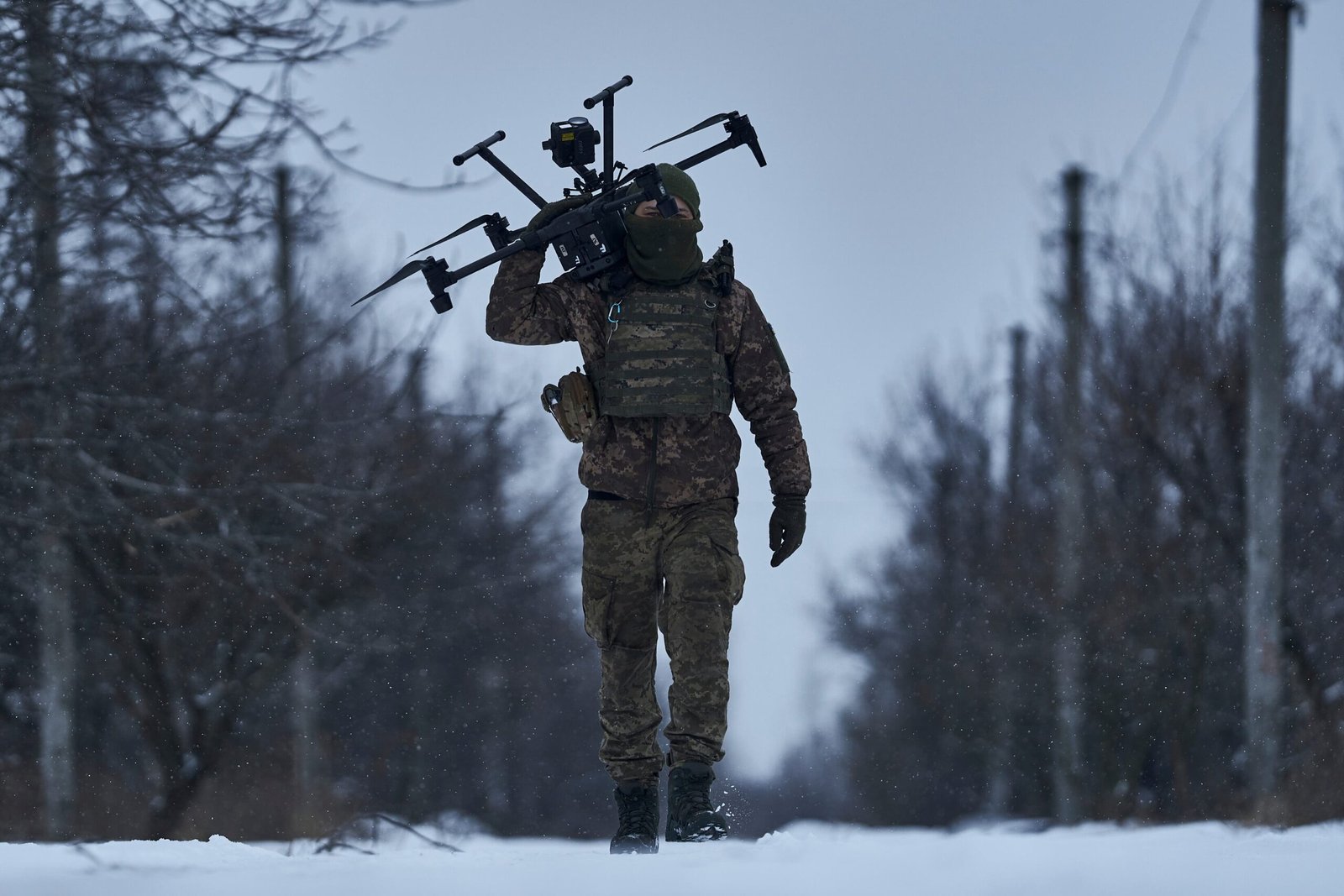
- Key instruments: Missile and drone forces; IRGC asymmetric maritime capabilities; partner networks across the region; cyber tools; energy leverage (disruption threats).
United States
- Primary objectives: Protect forces and partners; prevent a strategic breakout scenario; maintain navigation freedom; limit energy shock and escalation spillover.
- Constraints: Domestic political risk of prolonged war; force protection; coalition management; market stability.
Israel
- Primary objectives: Degrade Iranian strategic capabilities and the regional network; sustain deterrence; prevent missile/drone saturation on its territory.
- Constraints: Multi-front pressure and retaliation; international legitimacy and escalation management.
Gulf states (GCC + partners)
- Primary objectives: Avoid becoming the battlefield; protect critical infrastructure, ports, desalination, airports; keep shipping lanes open; prevent domestic destabilization.
- Strategic dilemma: Host security guarantees and basing arrangements while needing de-escalation channels and “firebreaks.”
3) “Khomeini killed” vs. leadership risk: correcting the record and framing scenarios
Your request mentioned “the killing of Khomeini.” Ayatollah Ruhollah Khomeini died in 1989 (natural death), so his “killing” is not consistent with the historical record.
What is strategically relevant today is leadership continuity and succession risk in Iran during a high-intensity crisis—especially the status of Ayatollah Ali Khamenei (current Supreme Leader). On this point, online rumors can be unreliable; do not treat social media claims of a killed leader as fact without top-tier confirmation. (As of the sources consulted here, the most credible reporting focuses on escalation dynamics rather than verified leadership death.)
ECSAP scenario framing (policy-relevant):
- Leader intact, institutions stable: IRGC + state institutions maintain command coherence; retaliation calibrated.
- Leader incapacitation / sudden succession crisis: internal contestation, decision delays, higher miscalculation risk.
- Decapitation attempt narrative (even if false): propaganda shock can still drive escalation, as actors behave as if the threshold was crossed.
4) Escalation pathways and “how this war could expand”
Pathway A: Maritime coercion without formal closure
Iran does not need a declared blockade to create economic impact: harassment, drone activity, mining risk, or “credible threat signals” can divert shipping and spike insurance.
Pathway B: Gulf base pressure and dispersed retaliation
Retaliation against or near regional basing nodes raises the risk of misattribution, forced responses, and the widening of target sets (air defense sites, radars, ports).
Pathway C: Infrastructure war (energy + desalination + ports)
Critical infrastructure strikes can be politically coercive and economically disproportionate, particularly in Gulf states where desalination and port logistics are strategic lifelines.
Pathway D: Cyber + influence operations
Cyber operations can target logistics, banking, telecoms, and aviation; influence ops can push panic, bank runs, or sectarian tension—especially during missile/drone episodes.
5) Gulf security: what changes immediately for GCC states
Operational priorities (near-term)
- Layered air and missile defense integration (sensor fusion, shared early warning, deconfliction).
- Port/airport continuity planning (rapid restoration, redundancy, crisis communications).
- Desalination and power grid hardening (physical security + cyber resilience).
- Maritime risk management (convoys, routing, liaison with navies, port state measures).
Strategic priorities (medium-term)
- Escalation “firebreak” diplomacy: backchannels and crisis hotlines; Oman-style mediation roles; calibrated messaging that avoids inviting attacks while maintaining deterrence.
- Economic shock absorbers: emergency stock policy coordination, insurance risk pooling discussions, and commercial continuity mechanisms.
6) Energy markets and global spillover
Analyst commentary highlights the risk premium channel: even without a supply cutoff, shipping avoidance + insurance + longer routes raise the delivered cost of crude and LNG. Escalation that meaningfully disrupts Hormuz flows could create rapid price spikes and broader inflation pressure.
7) Legal and norms dimension
- The central legal issues in any Iran–U.S.–Israel kinetic cycle include jus ad bellum claims (self-defense, imminence), international humanitarian law compliance (distinction/proportionality), and—if chemical/dual-use material allegations arise in parallel theaters—WMD treaty regimes and accountability pathways.
- Even when not adjudicated in real time, legal framing shapes coalition cohesion and post-strike diplomacy.
8) Policy options and recommendations (ECSAP)
For Gulf states
- Create a GCC-wide Crisis Air Defense Cell (24/7 joint ops liaison; shared incident picture).
- Harden “civilian choke infrastructure” (desalination, grid nodes, port cranes, airport fuel farms).
- Maritime resilience package: convoy protocols, alternative routing plans, port surge capacity, and commercial risk comms.
For the U.S. and partners
- Define limited objectives publicly to reduce miscalculation and avoid “regime change ambiguity,” which markets and actors treat as escalatory.
- Reinforce de-escalation channels (hotlines, intermediaries).
- Energy shock contingency coordination (strategic stocks signaling, shipping security posture).
For Israel
- Escalation management doctrine that anticipates Gulf spillover and the “second-order” economic front (shipping, insurance).
- Deconfliction mechanisms with partners operating in the same air/maritime spaces.
Appendix A: Key factual correction
The strategically relevant question for 2026 is Khamenei-era continuity and succession risk under high escalation, not Khomeini.