The current crisis demonstrates that modern geopolitical competition is increasingly fought not only through armies and weapons, but also through access to minerals, industrial infrastructure, logistics networks, and global manufacturing systems. In this emerging landscape, critical raw materials have become strategic assets central to both economic power and national security.
European Centre for Strategic Studies and Policy (ECSAP)
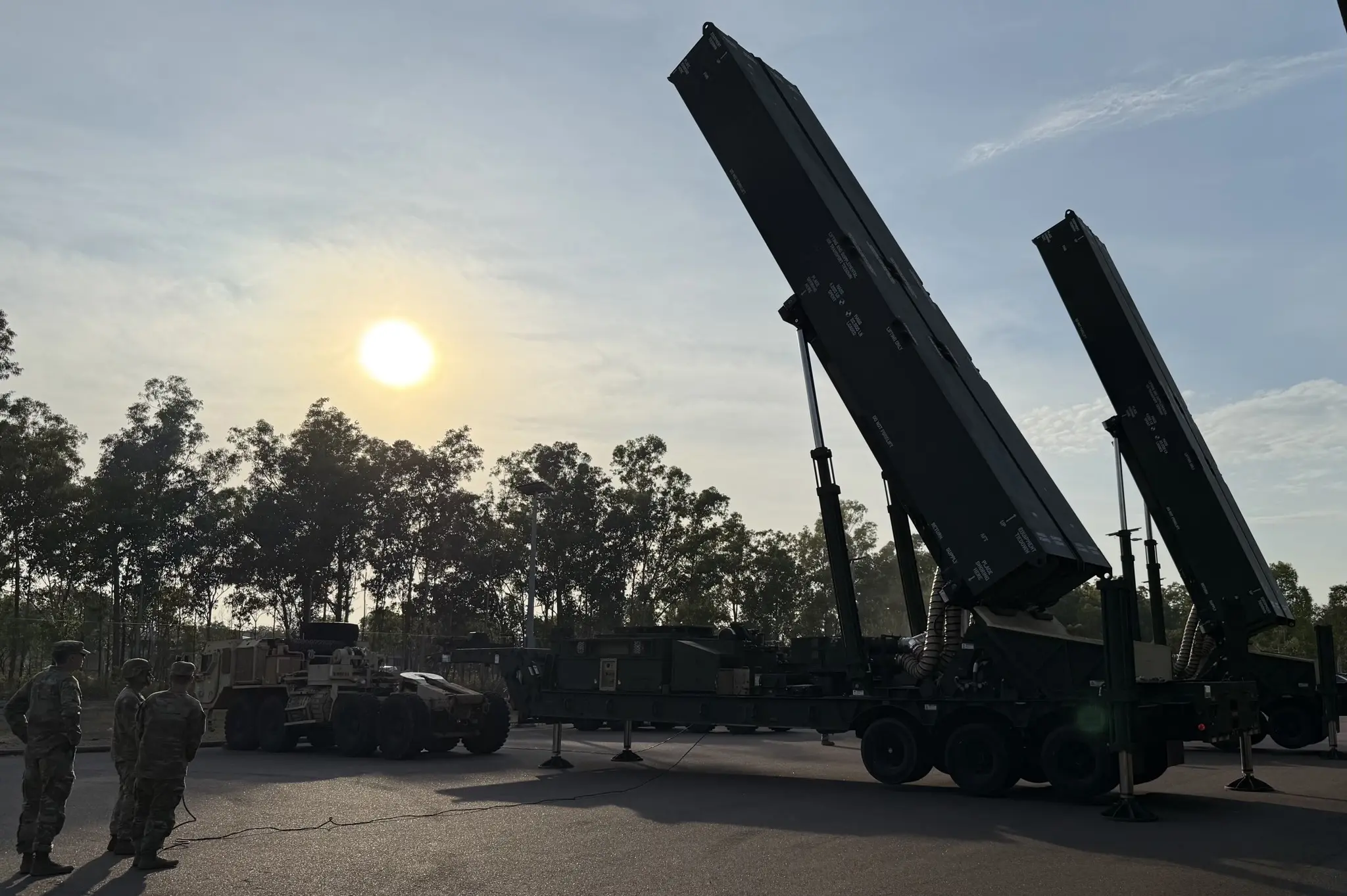
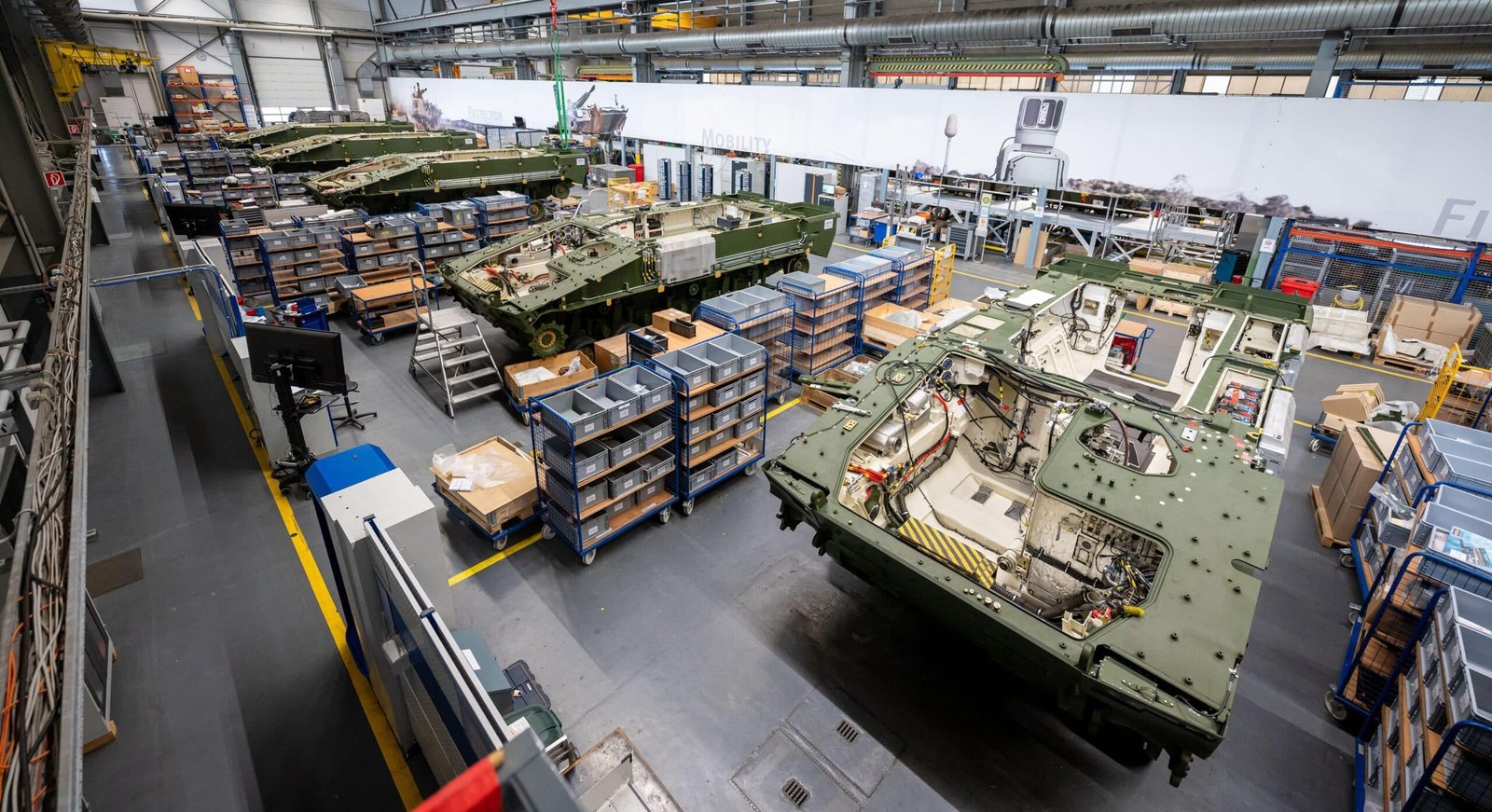
Since the outbreak of the war in Ukraine, Europe has accelerated its efforts to rebuild and expand its defence capabilities after years of reduced military spending. However, Europe’s rearmament agenda is increasingly colliding with a harsher geopolitical and economic reality shaped by global supply-chain disruptions, intensifying US–China competition, and growing pressure over access to critical raw materials required for advanced defence production.
According to the GSIS Executive Briefing published in April 2026, China’s tightening export controls on critical raw materials — particularly rare earth elements (REEs) — have already begun affecting European defence supply chains, contributing to price volatility, longer lead times, and increasing uncertainty across the sector.
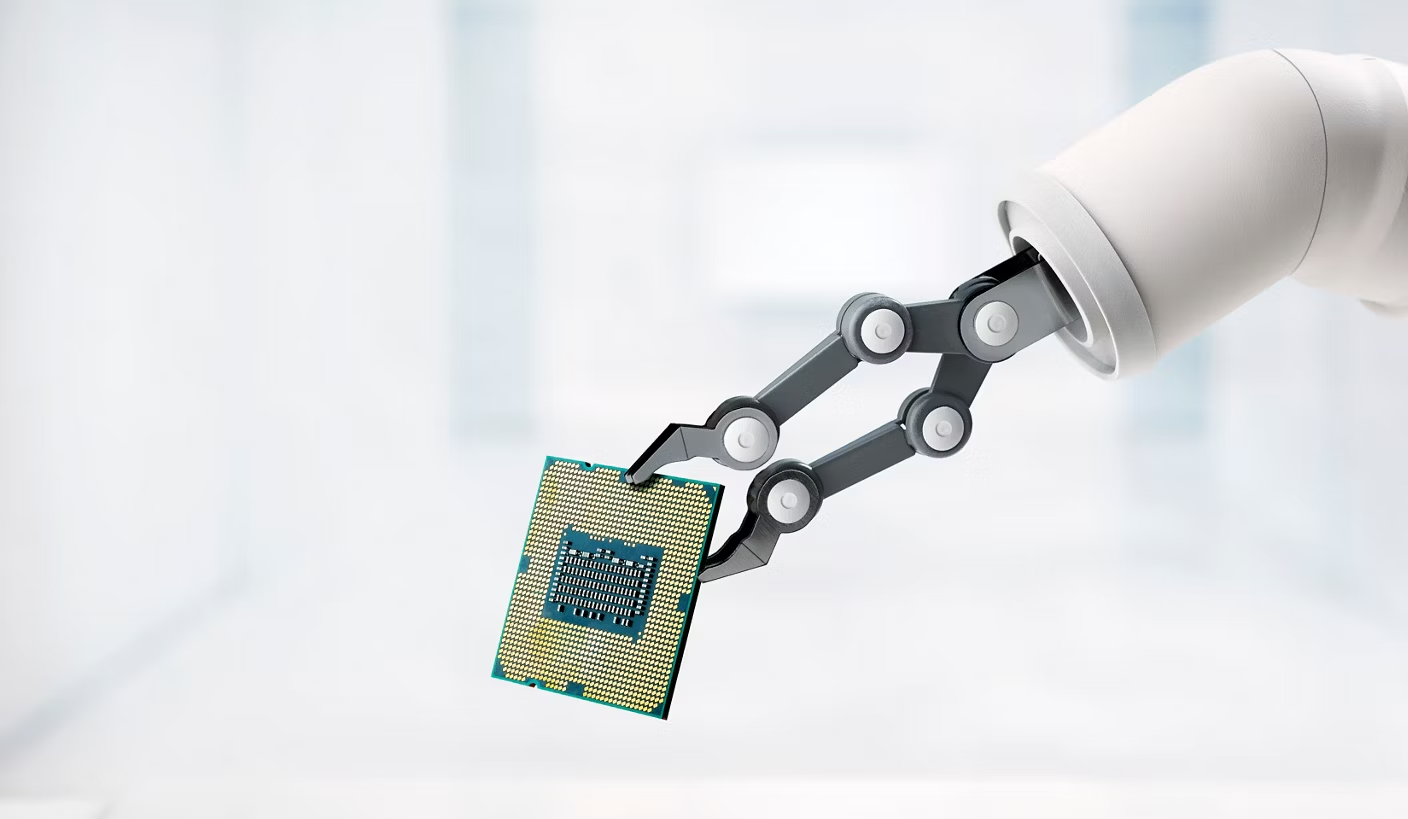
Rare earth elements such as dysprosium, terbium, and samarium are essential components in permanent magnets, guidance systems, sensors, radars, and electronic warfare technologies used in advanced weapons systems. The report highlights that China maintains dominant leverage over both upstream and midstream supply chains, including mining, processing, and refining capacities for many of these strategic materials.
Although Beijing’s restrictions are primarily aimed at US military suppliers, the spillover effects are increasingly being felt across Europe due to the interconnected nature of global industrial supply chains. European defence companies remain heavily dependent on civilian suppliers and international markets for key industrial inputs, exposing them to indirect disruptions caused by geopolitical tensions.
The report further warns that many European defence firms still lack visibility beyond their first-tier suppliers, making it difficult to accurately trace dependencies or anticipate bottlenecks across complex multi-tier supply networks. This creates significant vulnerabilities as European rearmament moves from short-term replenishment toward long-term industrial expansion.
European defence spending increased by 12.7% in 2025, with Germany emerging as one of the primary drivers of military expansion across the continent. Yet despite rising investments, concerns remain over whether Europe’s industrial base can sustain prolonged defence production under increasingly unstable global supply conditions.
In response, European defence companies have adopted multiple resilience strategies aimed at reducing exposure to supply disruptions. These include supplier diversification, long-term contracting, strategic stockpiling, recycling initiatives, material substitution, and selective vertical integration.
German defence manufacturer Rheinmetall, for example, reported maintaining stockpiles of certain raw materials sufficient for up to five years, while also expanding industrial partnerships in India to secure ammunition-related inputs and reduce dependence on vulnerable supply routes. Meanwhile, companies such as Sweden’s Saab and Italy’s Leonardo have invested in additive manufacturing and recycling technologies to improve supply-chain resilience and reduce waste.
Nevertheless, the GSIS report argues that stockpiling and supplier diversification alone cannot provide long-term security. Instead, Europe faces what the report describes as a broader industrial policy challenge requiring coordinated investment in processing, refining, and critical raw-material infrastructure.
This debate has become increasingly tied to the concept of European strategic autonomy. German Vice Chancellor Lars Klingbeil stated that Europe must reduce its dependence on China without replacing it with new dependencies on the United States. Similarly, European Commission President Ursula von der Leyen emphasized that Europe must strive for independence in energy, raw materials, defence, and technology.
As a result, Europe’s defence challenges are no longer limited to military preparedness alone. They now extend deeply into industrial capacity, economic security, technological sovereignty, and control over strategic supply chains.