
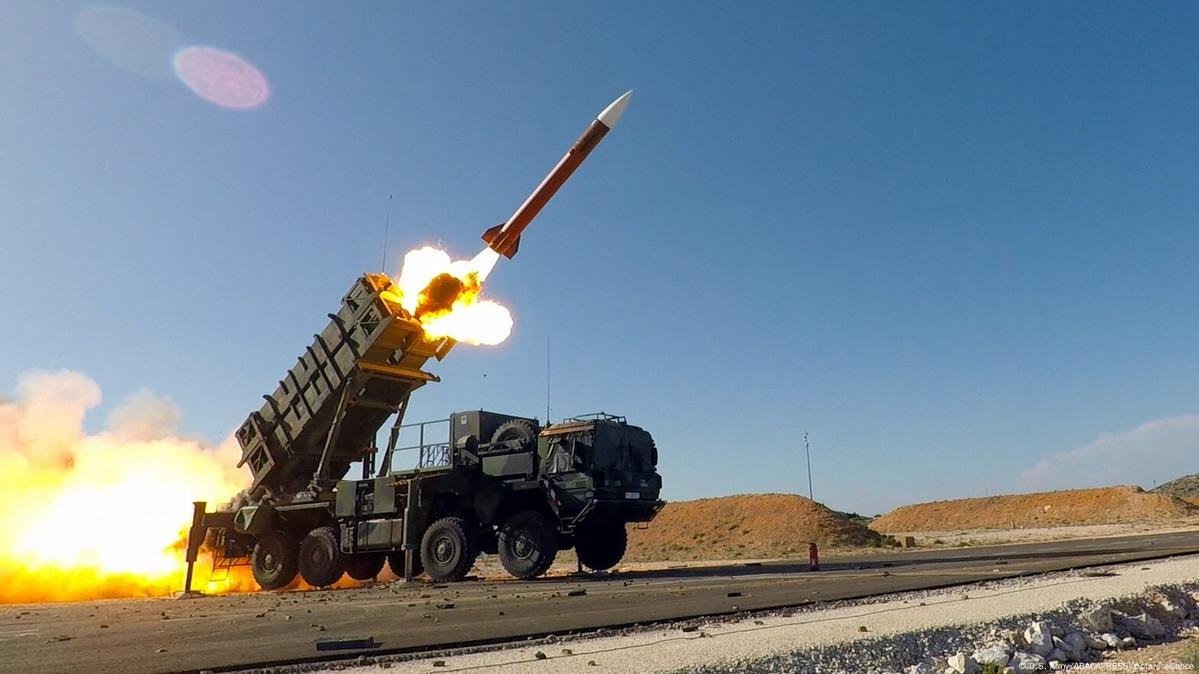
European Centre for Strategic Studies and Policy (ECSAP)
1. Introduction
As Russia intensifies its aerial assaults against Ukraine’s critical infrastructure, Western allies have continued to strengthen Kyiv’s defensive capabilities. Among the most significant recent developments is Germany’s delivery of additional U.S.-made MIM-104 Patriot air defence systems to Ukraine. This transfer represents not only a crucial tactical upgrade for Ukraine’s air defence network but also a broader geopolitical signal of Europe’s commitment to Ukraine’s sovereignty and long-term resilience.
2. Context and Background
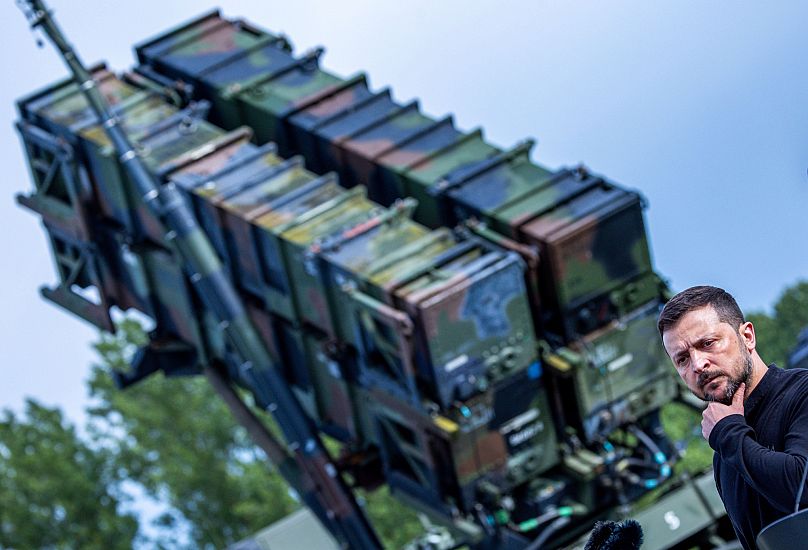
Germany’s decision to supply additional Patriot batteries comes amid sustained Russian missile and drone strikes targeting energy facilities and population centres.
Berlin has already positioned itself as one of Ukraine’s leading military backers within the EU, providing critical assets such as Leopard tanks, IRIS-T systems, and now multiple Patriot batteries.
According to German and Ukrainian sources, these latest Patriots were transferred from the Bundeswehr’s existing inventory after coordination with the United States, which agreed to backfill Germany’s stockpiles. This move underscores the urgency of maintaining Kyiv’s air-defence readiness during the harsh winter season, when energy infrastructure becomes a primary target for Russian attacks.
3. Military and Tactical Significance
The Patriot system remains one of the few Western technologies capable of intercepting ballistic missiles, cruise missiles, and high-speed drones simultaneously.
Integrating additional Patriot units into Ukraine’s defence architecture significantly enhances:
- Layered defence coverage over Kyiv and major industrial regions.
- Intercept capacity against Iskander and Kinzhal-type missiles.
- Protection of strategic infrastructure, including power plants, logistics hubs, and government facilities.
However, despite these advantages, Ukraine still faces a quantitative gap. The number of Patriots deployed remains insufficient to cover the full extent of the country’s vast airspace. Each battery protects a limited area—meaning selective prioritization remains essential.
4. Political and Strategic Dimensions
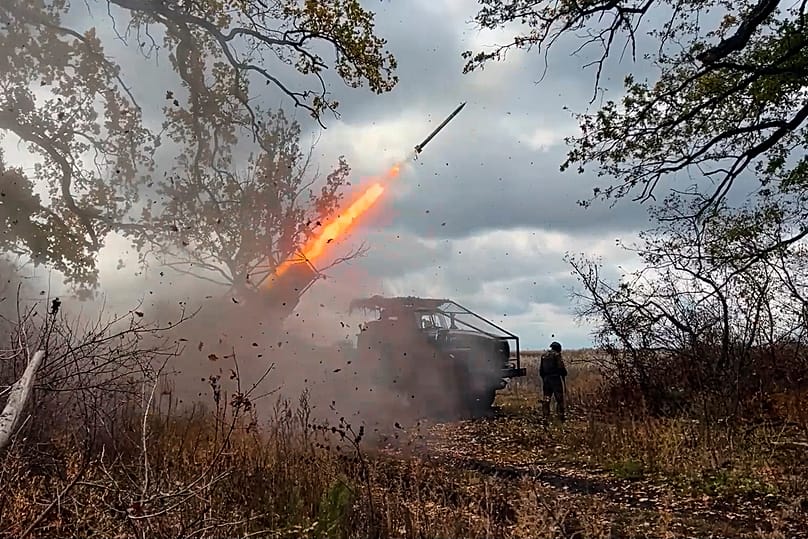
Germany’s latest delivery serves multiple strategic objectives:
- European Leadership Assertion:
By providing Patriots, Berlin reinforces its emerging role as a defence leader in Europe, bridging NATO coordination and EU strategic autonomy. - Alliance Cohesion:
The transfer reflects enhanced transatlantic cooperation, as the U.S. supports Europe’s initiative by replenishing German inventories—avoiding capability gaps. - Deterrence Messaging:
It sends a clear signal to Moscow that Western military support for Ukraine will not diminish, even under domestic political or economic pressure.
At the same time, the move revives debates within Germany about balancing its defence commitments abroad with national readiness at home, given limited stockpiles and growing budget constraints.
5. Challenges and Limitations
While symbolically powerful, the Patriot deployment faces several operational and strategic hurdles:
- Limited Coverage: Each system defends a relatively narrow radius (~100 km), requiring careful deployment planning.
- High Maintenance Costs: Patriots demand specialized crews, spare parts, and consistent U.S. logistical support.
- Training and Integration: Ukrainian operators require intensive training to integrate the system into existing Soviet-era radar networks.
- Escalation Risks: Moscow continues to frame such deliveries as “direct NATO involvement,” potentially using it to justify further strikes.
6. Broader Implications for European Defence
The Patriot transfers mark a tangible shift in European security doctrine:
Germany’s willingness to deplete its own reserves to sustain Ukraine represents a transition from reactive aid to proactive deterrence.
This policy aligns with ongoing discussions in Brussels and Berlin about forming a European Air Defence Shield, potentially harmonizing capabilities across member states.
Moreover, the move underscores the dependence of European defence on U.S. technology, raising the strategic question of how long Europe can sustain such support without deeper industrial integration and self-sufficiency.
7. Policy Recommendations for ECSAP and EU Partners
- Assess Integration Efficiency:
ECSAP should monitor how effectively the Patriots are embedded within Ukraine’s multilayered air defence grid, including radar synchronization and data-sharing systems. - Promote Industrial Cooperation:
The EU should accelerate joint procurement and co-production of air defence components to reduce reliance on external suppliers. - Evaluate Deterrence Impact:
Conduct periodic assessments on whether increased Patriot presence alters Russian targeting strategies or escalation patterns. - Track Sustainability:
Recommend transparent reporting on system maintenance, ammunition resupply, and operational readiness to ensure long-term viability.
8. Conclusion
Germany’s delivery of additional Patriot air defence systems to Ukraine is a pivotal moment in Europe’s evolving security landscape.
It strengthens Kyiv’s immediate defences, bolsters European credibility, and deepens transatlantic coordination.
Yet, it also exposes structural challenges—limited numbers, logistical dependency, and political sensitivity—that will continue to shape Europe’s strategic calculus.
For Ukraine, each Patriot battery represents more than just hardware—it is a statement of solidarity and a tangible line of defence in a war defined by air power.
For Europe, it symbolizes the emergence of a collective security mindset, where defending Kyiv is seen as defending continental stability itself.